
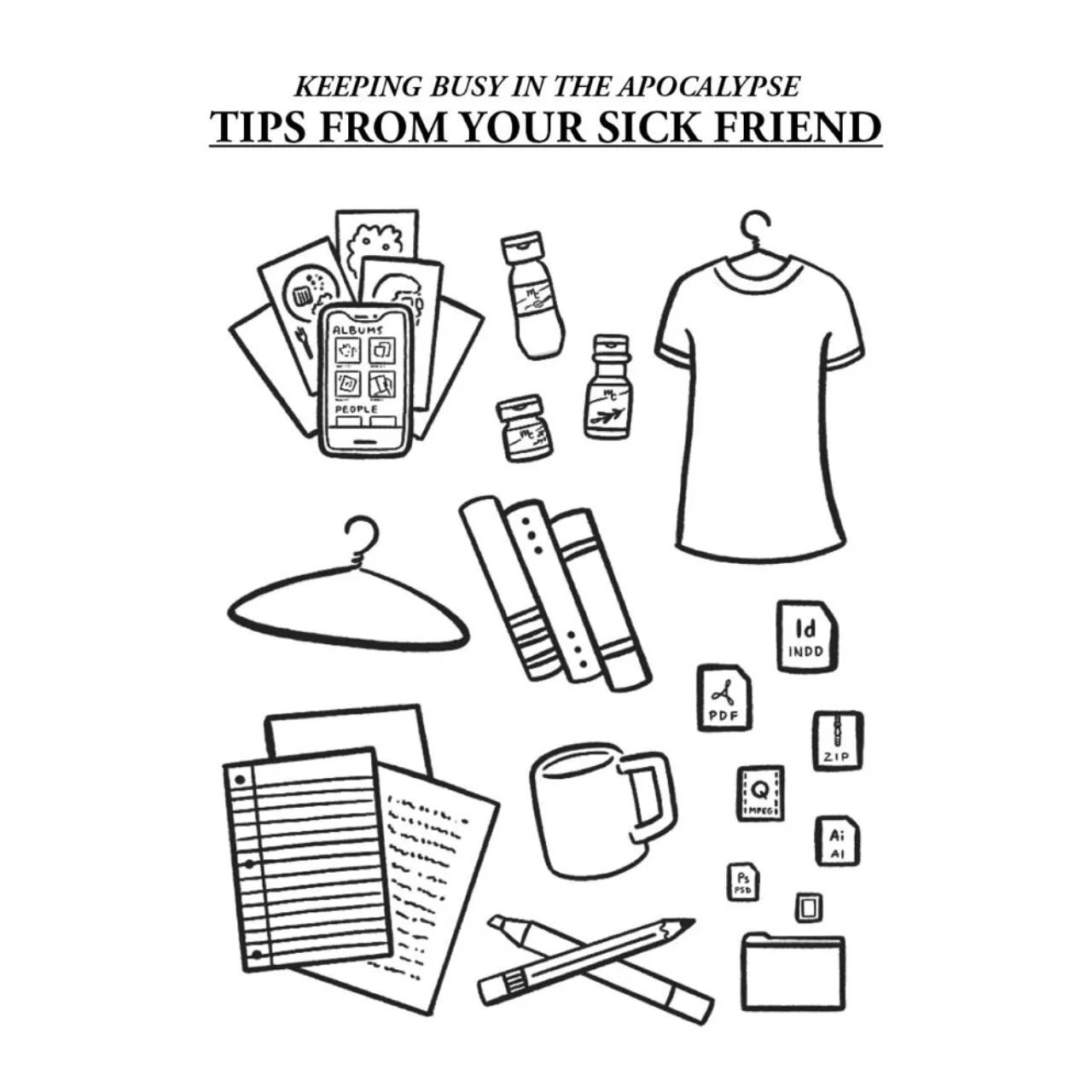
Keeping Busy in the Apocalypse: Tips from Your Sick Friend
The internet is full of "how to work-from-home during COVID-19 quarantine" lists and while that’s all well and good, many of us are out of work for the foreseeable future. So to all my socially isolated, rudderless friends, this one is for you.
Life has changed drastically over the last two weeks and, like the responsible humans we are, we’ve all retreated inside to wait out the storm. For some of us, that transition has been painful. While introverts are sharing memes about how this is our moment to shine, extraverts are having a very difficult time sitting still. I, however, am disabled and chronically-ill so this is not the first time I’ve had to stay inside for weeks and weeks at a time. It isn’t even the first time I’ve had to do this in the last year. In fact, I’ve spent the better part of the last four and a half years inside. For able-bodied folks, this is a scary, temporary challenge. For people like me, this is the reality of our day-to-day lives.
Through my years of involuntary social isolation (not to mention eleven years of homeschooling), I’ve become very, very good at keeping myself occupied and I’d like to share some of those time-filling ideas with you. We’ve all seen the lists floating around about how to work-from-home effectively and while that’s all well and good, a lot of us are out of work for the foreseeable future. So to all my fellow rudderless friends, this one is for you.
ORGANIZATIONAL PROJECTS:
Declutter your closets, reorganize that cupboard. Sort through every single one of your mugs and decide which ones you don’t love anymore. Make it your personal challenge to turn your apartment into its best functioning self.
More to consider while nesting: Can you easily access the spices you need or is your cupboard a full-on nightmare like mine?
Is your furniture set up in the most efficient way for how you live your life? [Example: I’ve set up my entire house to be disability-friendly, with no floor obstacles and plenty of surfaces I can lean on when I inevitably get dizzy while standing.]
Pro-tip: If you’re a person who likes to compete with themselves, take a page out of my very practical friend’s book [pictured here].
Pick a chore or other activity you’ve been dreading. Identify the sub-tasks, then estimate how long you think each item will take you. Write it all out.
Time yourself as you do said task and write out your actual time. See if you can beat your own personal best. You’ll likely be pleasantly surprised by the results. (And if not, you’ll be motivated to do better next time.)

The literal page from her actual book.
Overhaul your wardrobe and set aside the things you don't wear for whenever we’re allowed to go to Goodwill again.
To kill even more time, try every single item on to determine just how much joy it brings you.
Get creative and style full outfits from pieces you wouldn’t think could go together. Worst case, you get some ridiculous looks you can Snapchat to your equally housebound friends. Best case, you know what you’re wearing out post-Quarantine.
Clean out your phone’s camera roll. We both know this is going to take an eternity and isn’t that why we’ve been putting it off in the first place? There are no excuses now—we’ve got nothing but time.
Pro-tip: Google Photos provides free unlimited media storage for compressed images. It’s a great resource, but if you need to keep full quality images, offload them elsewhere before utilizing this for your phone back-up.

Frankly, this number is irresponsible.
CREATIVE PROJECTS:
Now is your moment to master every hobby you’ve never had time for. Have you wanted to learn to draw? How about learning to play the guitar that hangs out in the back of your closet? Maybe this is the perfect time to get into yoga. All of this is easily available online!
Sign up for a trial period on Skillshare and find courses on nearly any creative endeavor. You can get two months free right now! I’ve personally had a Skillshare subscription for several years and it’s never disappointed me.
It's imperative to keep yourself moving and burn off some excess energy in this downtime. There are a lot of great yoga resources on Youtube. Yoga with Adriene in particular has a huge library of practices. Yoga from home comes with the added bonus of being able to swear at the screen as much as you need to.
Now is the best time to team up with your sequestered creative friends and get a digital magazine going. If/when this is all over, we’re going to want to remember these strange times. Why not immortalize your thoughts, for better or for worse?
This is a great collaborative activity for creatives of all kinds. You can collect fiction, non-fiction, comics, artwork.
Even though it would be most ideal to have a physical book at the end, you can always publish and share as a PDF—no expense involved! Since PDFs can be made interactive, you could even embed videos and audio files.
Create a series of self portraits throughout this time of Quarantine. They can be as simple or as complex as you want and in any medium, but the key is to go with your first instincts.
The best time to draw might be when experiencing especially strong feelings of panic, sadness, boredom, ennui, etc. There’s no wrong answer. You could even choose a color palette that aligns with your vibes.
When this is all over, you can compare your portraits and see how different feelings change your perception of yourself. What you’ll do with that information is up to you, but a little self reflection can go a long way.
Keep a daily journal. I promise, someday, you’ll want to look back on this and remember what you were feeling during this wildly unprecedented event—plus, all those thoughts buzzing around in your brain will better serve you if you can get them out onto paper.
Write as much or as little as you like. If you, like me, are not a journaller, go small—write one sentence about something that stressed you out and one sentence about something you enjoyed about the day.
If you like to draw, consider comic journalling. You may be able to access different pieces of your experience by expressing words through pictures.
Write letters to your quarantined friends. We’re all thankful for future tech like video chats, but now is also a great time to go analog. There’s something cathartic and romantic about sitting down, pen in hand, and writing to someone you love. For now, USPS is still chugging right along despite rain and sleet and snow and plague, so might as well utilize the resource.
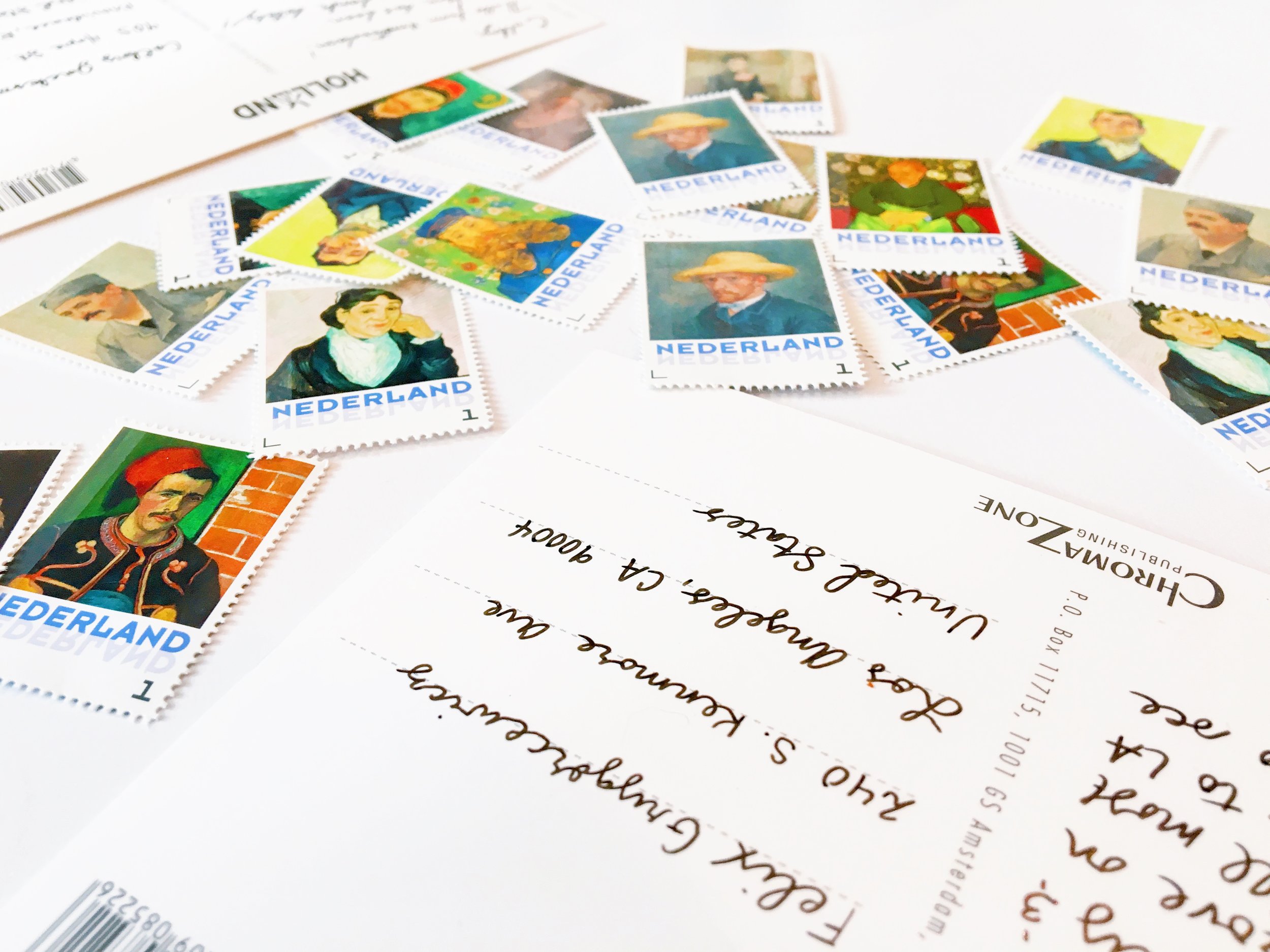
Longform letters are great, but if you don't have the bandwidth, you could use this time to decorate your own postcards. [But pro-tip: look up the postal guidelines on spacing for the back of the card.]
GAMES:
Use Discord to set up a remote RPG game with your friends. You can always play some good old fashioned Dungeons and Dragons, but there are plenty of other game options. However you choose to go about it, this is a great way to keep some socializing within your social distancing.
Support indie gamers and buy a gamebook from platforms like Drivetrhu RPG.
Make up your own game, if you’re feeling really ambitious. Who needs strict rules at a time like this?
You can find more specific resources on how to get your own game started in this article from Polygon.
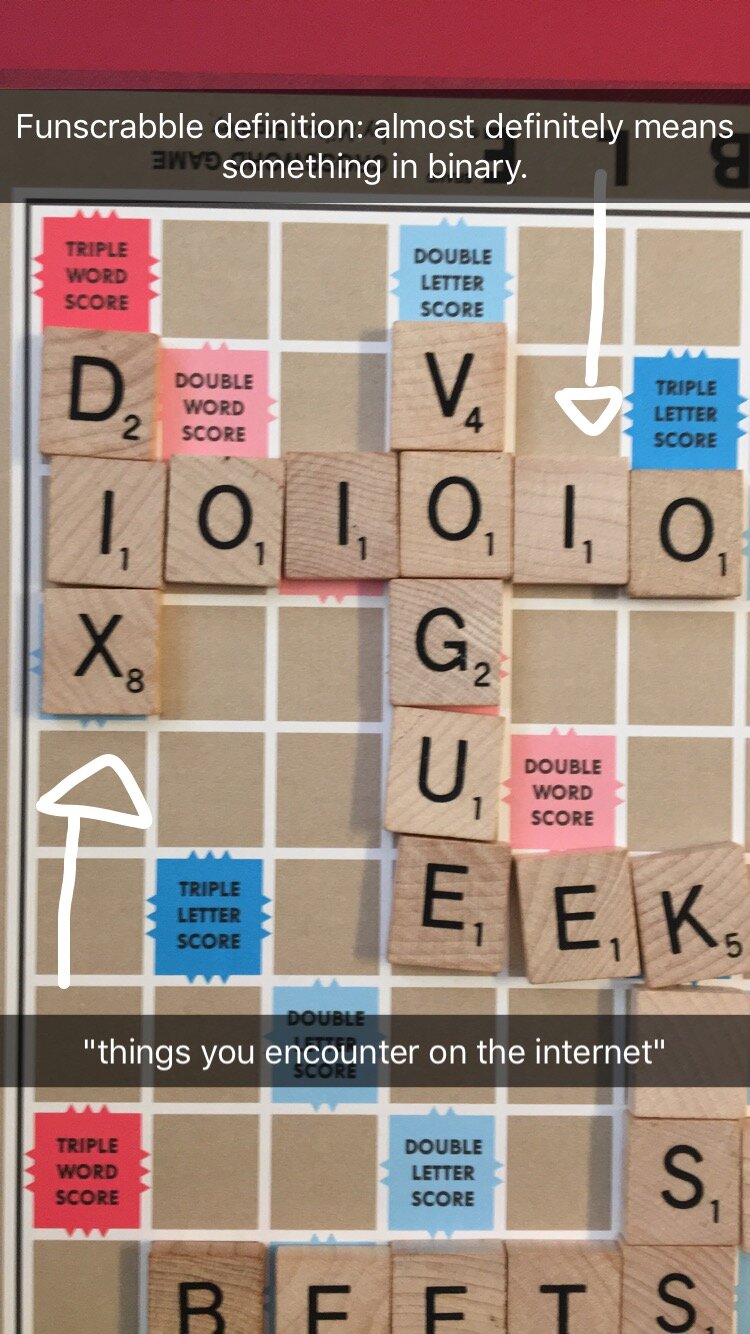
Get really into Words with Friends again. Alternatively, if you’re quarantined with someone and have a physical Scrabble board, get really into Fun!Scrabble.
Fun!Scrabble is all of the game and none of the rules—you can make up any word you want, but the catch is that you have to come up with a definition and then defend it to your fellow player(s). If they accept your new word into the lexicon, points may be gathered! If they shoot it down, try again (or pass to the next player). Real words are accepted too but we all know that’s way less fun.
All of this is off the top of my head so as the Quarantine progresses, I’ll likely do a follow-up piece with even more suggestions. Feel free to leave me comments with things you’ve found entertaining and/or productive. We’re in this together, globally speaking, and despite the social distancing of it all, we’ve never had more ways to stay in touch. Let’s pool those resources and help each other make it through this in one piece.

How to Choose the Right Sketchbook for Your Next Project
Follow these six steps to give yourself the best possible starting point for your next art project.
The materials you use to sketch, draw and paint have a direct impact on the final appearance of your work. Match the wrong medium and paper and you could end up with bleeding lines, ripped paper and a wastebasket full of scrapped attempts.
To give yourself the best possible starting point for your next art project, follow these steps:
Decide what medium best suits your concept.
Determine a goal for your project.
Set a budget.
Choose paper size, type, and quality.
Consider going digital.
Start sketching!
Decide what art medium you’ll be using
Have you ever tried to use watercolors on sketch paper? Even with the best of intentions, you end up with something that more closely resembles wet papier-mâché than a piece you can hang on the wall. Different papers are designed for different levels of wear and tear, so it’s important to anticipate your future needs from the beginning.
Your first step to choosing the appropriate art paper is to pick your medium. Do you prefer to sketch with colored pencils or graphite? Will you ink with a nib pen or markers? If you add color, are you using wet or dry media?
If you’re an artist who already has a preferred medium, this process will be easy. But if you like to experiment, you may want to be more deliberate in your choice. I worked in a tattoo shop while initially learning to draw and picked up their habit of starting my sketches in red pencil, then using a lightbox to apply clean ink lines on a new sheet. However, this is not a one-size-fits-all solution.
Get to know your tools first. This will immediately eliminate certain types of paper - and if you’re like me, with a veritable mountain of drawing pads, that’s an important step.
Determine your goals
When you sit down to sketch with a clear concept in mind, you’ll often find that the ideas flow easily. If you don’t know what you want to create, the blank page can feel vast and intimidating. You might freeze up just as you’re putting pencil to paper and get so lost in the paralysis, you draw nothing at all.
Some goal suggestions to consider when you want to draw, but you just feel stuck:
Planning out a long-term project: Sketchbooks are a great place for brainstorming. I like to use some of my bigger paper pads to make color-coded bubble maps.
Designing a character: You can warm up your creative muscles by drawing your interpretation of your favorite TV character—or even design someone of your very own!
Practicing technique: As much as we all want to wake up one morning and be able to draw perfectly, things like perspective, anatomy, and even a basic straight line only improve with consistent practice.
Creating content for social media: In this day and age, it’s increasingly important for working artists to have active social accounts. Posting anything is better than waiting to have a perfect piece (I’m still learning this too) so why not use this practice time to create some content?
It’s okay if your sketches are the sort of practice you never show another soul. Every artist has that ever-growing stack of abandoned work that hide in dark drawers, under the bed, and in that bulging portfolio bag left over from art school. We all want to give off the air of effortless perfection and getting it right on the first attempt, but the truth is no one’s first try is that great. Iteration and thoughtful editing are important parts of the creative process.
Don’t let the tedium of practice get you down—a sketch might surprise you! As your practice becomes more consistent, you’ll encounter more moments when the ideas in your head actually come to life on the page. You don’t have to wait for perfection to share your work with friends and family. Hang your favorite pieces above your desk for inspiration, practice a little every day, and mastery will come with time.
The Imperfect Sketchbook
Sketching serves many purposes, but at the core, it’s always about getting ideas out of your head and into the physical world. When we see artists we admire posting pictures of their beautifully composed, perfectly colored sketchbook pages, it’s easy to get swept up in the idea that everything we draw must be beautiful. But sketching is crucial to the project planning phase, where you need to work through rough ideas so you can sculpt them into your shiny, ideal final product. Your concept sketches probably won’t be beautiful, but that doesn’t make them any less deserving of space on a page.
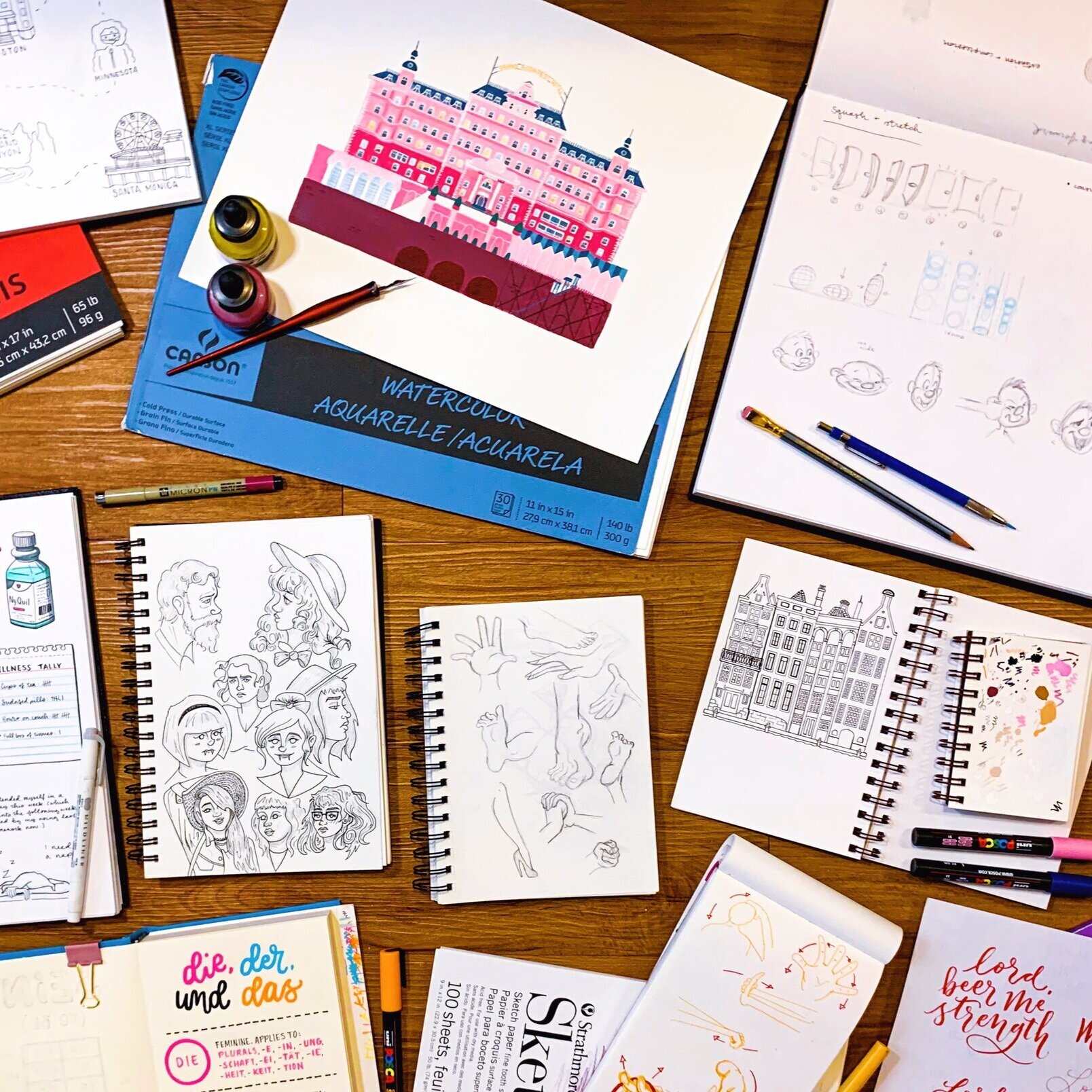
Messy, quick, and probably unintelligible to anyone but you, this type of sketching may not be the kind you show off to the world, but it lays the foundation for better art.
I recommend that you keep a few sketchbooks in varying sizes just for brainstorming. Artists need space to create without thinking of the outside world and what others will think. Sometimes you just need to scribble it out before you can create something you want to put in your portfolio.
That being said, sketching can also be an end unto itself. The tradition of creating beautiful sketchbooks dates all the way back to the Renaissance. Da Vinci’s sketchbooks are a prime example. They’re beautiful, but they also show the artist’s thought process, planning stages, and creative life - the vital work that brought his masterpieces to life.
Even before the invention of the camera, artists were frequently commissioned to capture notable events in sketch. Today, we can easily record any moment and share it on Instagram for the world to see. But if you wanted to capture the spirit of your 17th century masquerade, you needed an artist on hand.
In this century, you can scroll through a myriad of instagram hashtags like #artjournal, #sketchbookart, and #urbansketching to see how some artists are able to turn their simple sketchbook into an art piece of its own. Don’t get discouraged—I guarantee you that there are plenty of practice pages and hours of planning that go into making an art book.
If you’re sketching in this tradition, choose a dedicated sketchbook, perhaps a sturdy hardcover, that you can take out into the world. I like to use this opportunity to treat myself to a nicer quality book since I buy them less frequently.
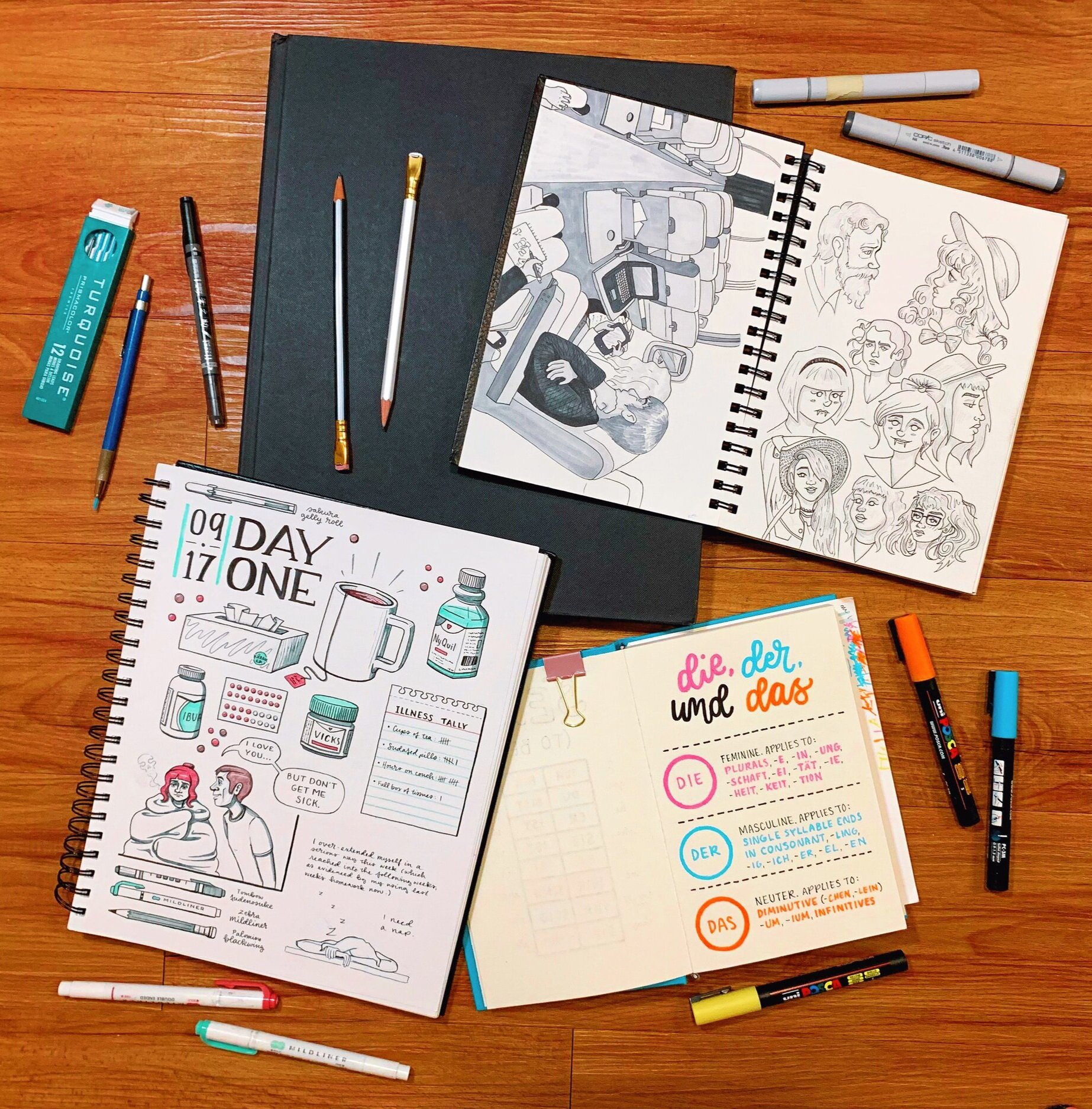
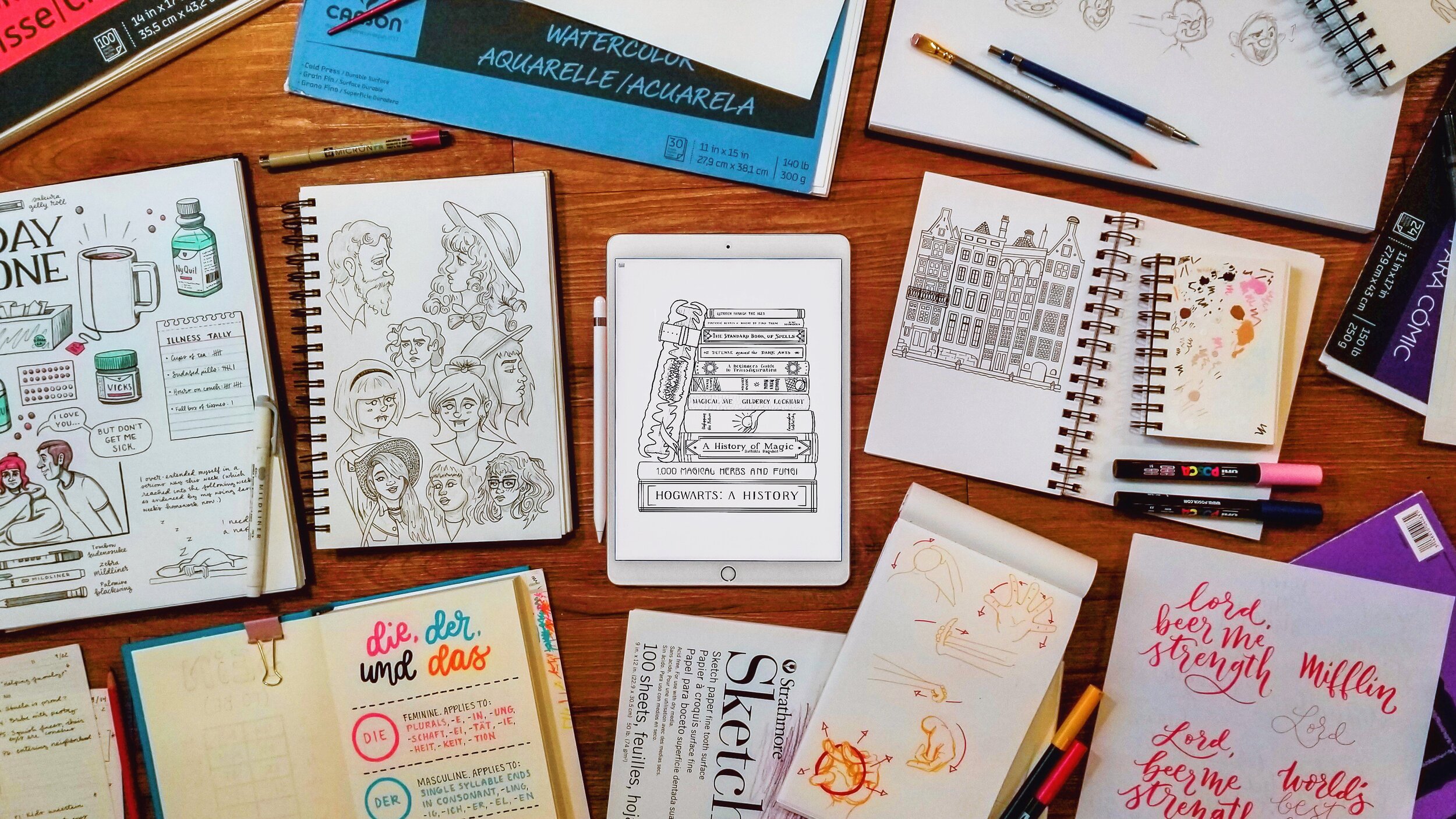
As you can see, I have significantly fewer “nice” sketchbooks that I try to treat with more intention. One is a daily journal I may or may not share someday, one is where I take notes when watching online courses to refine my skills (shout-out to Skillshare), one is for drawing from life when out and about, and the other is for trying to make German grammar practice more fun via color coding.
Set a budget
Art paper is more expensive than the kind you put in your inkjet printer. If you have the resources to do so, invest in quality materials. When you have paper created specifically for your chosen medium, you won’t have to fight against the materials to get your ideas down.
Working with the wrong type of paper is frustrating and ultimately leads to discouragement when your piece doesn’t come out as desired. Using the correct type of paper allows you to focus on what’s important: Your art.
What if you’re just getting started?
When I first decided to get serious about illustration, I drew on anything I could get my hands on. Lined notebooks, scraps of menus from work, the pad of tracing paper my friend had left over from elementary school. I didn’t prioritize getting appropriate tools until I realized that I wasn’t a bad artist, I was just using the wrong materials. As it turns out, hand lettering looks better if your markers are able to glide across slick paper. Watercolors can actually blend as they should when they’re on paper that doesn’t immediately break down. That’s not to say quality art can’t be made with anything available, but planning ahead can take a lot of stress and guesswork out of the process.
If your paper budget is small, don’t worry too much about quality. There are plenty of introductory options—simply be mindful of the category of paper you’re choosing. At the end of the day, cheap watercolor paper is still going to be better for watercolors than expensive marker paper.
Even now that this is my full-time gig, I tend to only buy sketchbooks when they’re discounted. I’ve found you’ll get better quality products at a better price by going to dedicated art stores rather than stores like Target (or even Michael’s). My favorite is Artist and Craftsman Supply, should you have one near you. Signing up for newsletters from stores like Blick will get you frequent coupons that can help cut your costs.
If your supply budget is non-existent, you don’t have to give up on your ambitions. Drawing anything is better than drawing nothing, after all, and every sketch you make adds up to proficiency. A former teacher of mine, comic artist Raul the Third, has developed a unique art style built around his childhood gravitation towards your standard BIC pen. In class, he explained that he carried this method over into his professional career because he wanted to be an example to young artists: You can create whether or not you have access fancy supplies. That really stuck with me and helped me learn to value each stage of my artistic journey.
Choose type of paper, size and quality
Personally, I like to have multiple sizes of sketchbooks for each of my preferred types of paper. Small sketchbooks are transportable for excursions to cafes and into nature while big sketchbooks provide more freedom to explore and play. If you need a little guidance on what type of paper might suit your needs, I’ve broken down the tools I use and what paper I choose to accompany them.
MARKER PAPER
Good for: Pen and ink, Copic markers, hand lettering.
Marker paper is thin and very smooth. It should have almost no bleed-through, which makes it ideal for use with alcohol and pigment markers. The ink glides on top of the paper rather than sinking into it. When using alcohol-based Copic markers, this type of paper will allow you to bend colors without smudging your lines or ripping the page.
What to watch out for: Cheaper marker papers may still have more bleed than you want. Some stores will let you test out the product before you buy, so when in doubt, as an employee if you can do a test run with your preferred marker.
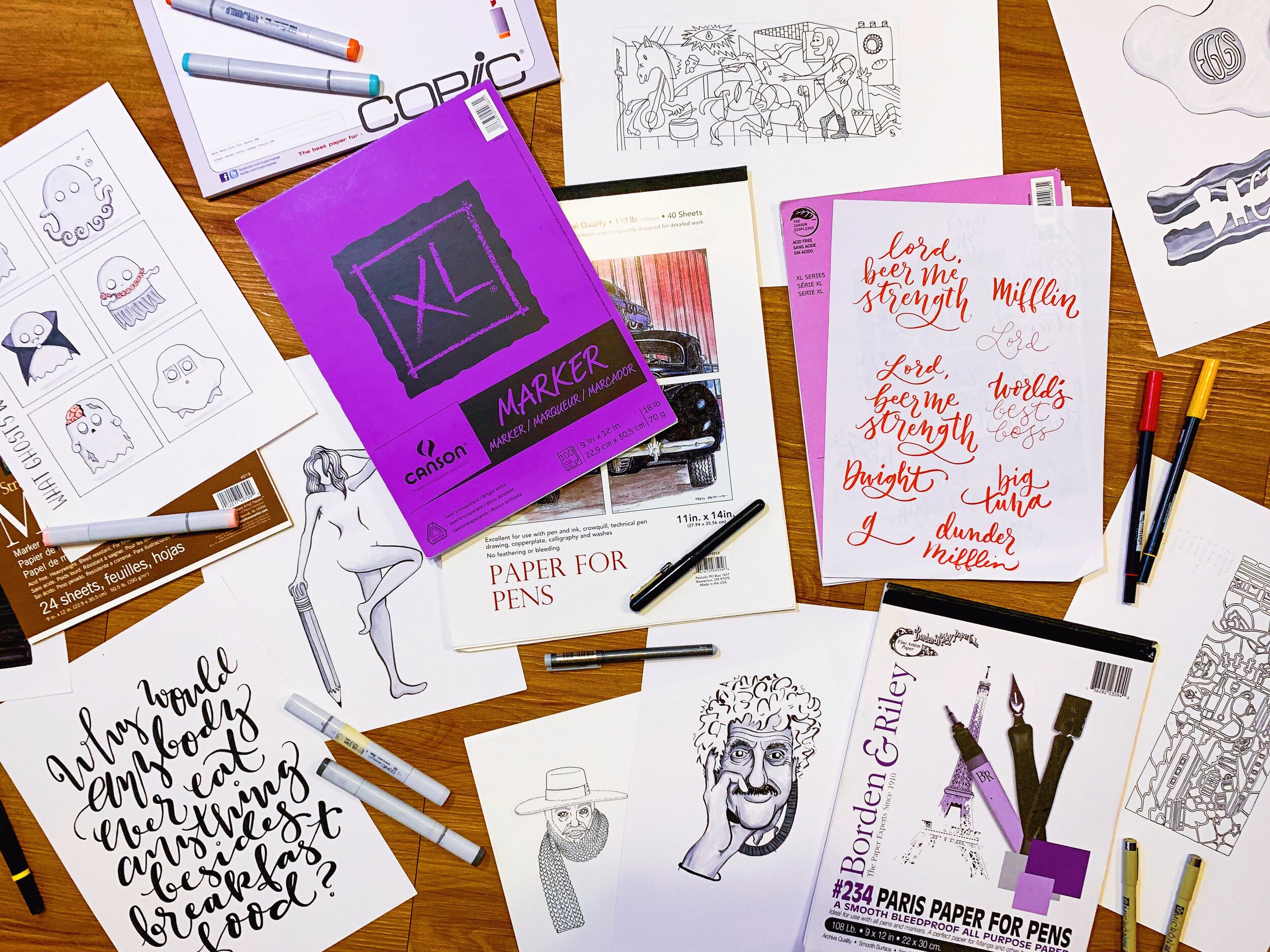
Cold-pressed watercolor paper
Good for: Watercolors, acrylic ink, gouache.
Cold-pressed watercolor paper is slightly textured, but not as rough as hot-pressed paper. It’s great for both large watercolor washes and detailed ink work. I typically work with acrylic ink over watercolors and since I ink my linework with a nib pen, I prefer the smoother texture.
What to watch out for: Cold-press paper is typically much pricier than hot-press. Before buying, research what painting techniques work best for each type and then choose accordingly.

Standard sketch paper
Good for: Pencils, pens, colored pencils.
Sketch paper is usually lighter than drawing paper. It’s intended for quick work and experimentation. In my opinion, the cheaper your sketch paper, the better. If you put too much time and effort into your initial sketches, it’s more likely that you’ll get stuck focusing on unnecessary minutiae rather than freely exploring your ideas.
On the other hand, if your goal is to create an artbook, you may want to splurge on a hardcover sketchbook with acid-free paper.
What to watch out for: As I said, the cheaper the better with standard sketch paper. Places like Target and Michael’s (unless you’ve got that sweet 50% coupon) vastly overcharge for items like this so it’s better to keep your eye out for a dedicated art store.

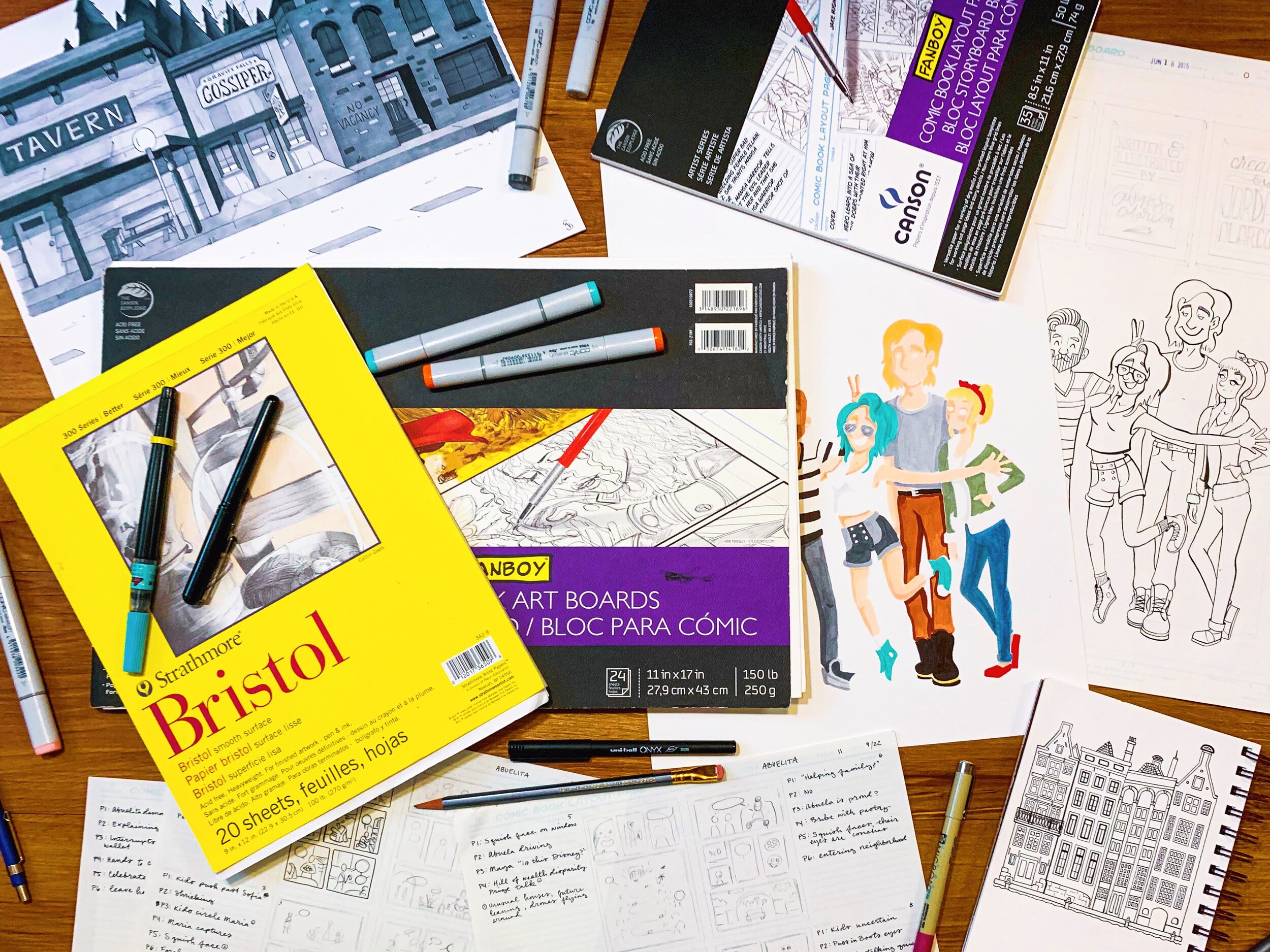
Comic layout pages
Good for: Pencils, pens, note-taking.
Thumbnails for comic book pages should be fast and sketchy. Don’t worry about whether or not the shapes and squiggles accurately represent anything. At this stage, all you’re trying to do is feel out the flow of your page spreads. As you’re working through your script, thumbnails help you to determine what each scene will actually look like on the page and how many panels it will take you to get there.
I like to create quick, messy thumbnails in pencil, revise the flow of the panels, then digitally ink over each one.
What to watch out for: Honestly, you don’t really need to buy specific paper for thumbnailing. If you’re working on a long project or you feel like drawing bounding boxes impedes your creative flow, it’s a nice tool to have. I personally work better with a little pre-existing structure and I found I was getting so hung up on drawing a nice layout to house the thumbnails, I never actually got to the thumbnailing part. Buying this layout pad cut out a whole process that was rife with procrastination.
Smooth Bristol paper
Good for: Pencils, pens, markers, ink.
Bristol paper, named for the famous paper mills in Bristol, England, is a multi-ply paper generally used for drawing. It is constructed from two to four plies with outward-facing felt surfaces. The more plies there are, the more sturdy the paper feels.
Smooth Bristol is great for detailed drawings. This is the kind of paper you should save for your final products, long after the sketch round.
What to watch out for: Comic artists who ink traditionally typically use 11x17 Bristol board after they’ve finished penciling out their compositions. You can buy pre-marked comic Bristol pads, like I have, or you can draw all of the margins in yourself with a sturdy T-square ruler.
Vellum Bristol paper
Good for: Pencils, charcoals, pastels, crayons.
Vellum-surface Bristol paper is also constructed with multiple plies. The main difference from the smooth variety is that vellum has a slightly rougher texture. That’s what makes it ideal for dry media like charcoal. You can get deeper shading with vellum Bristol, compared with the smooth variety.
What to watch out for: If you’re planning to work primarily with pastels or charcoal, they do make papers specifically for those things and they’re probably cheaper than vellum.
Consider digital
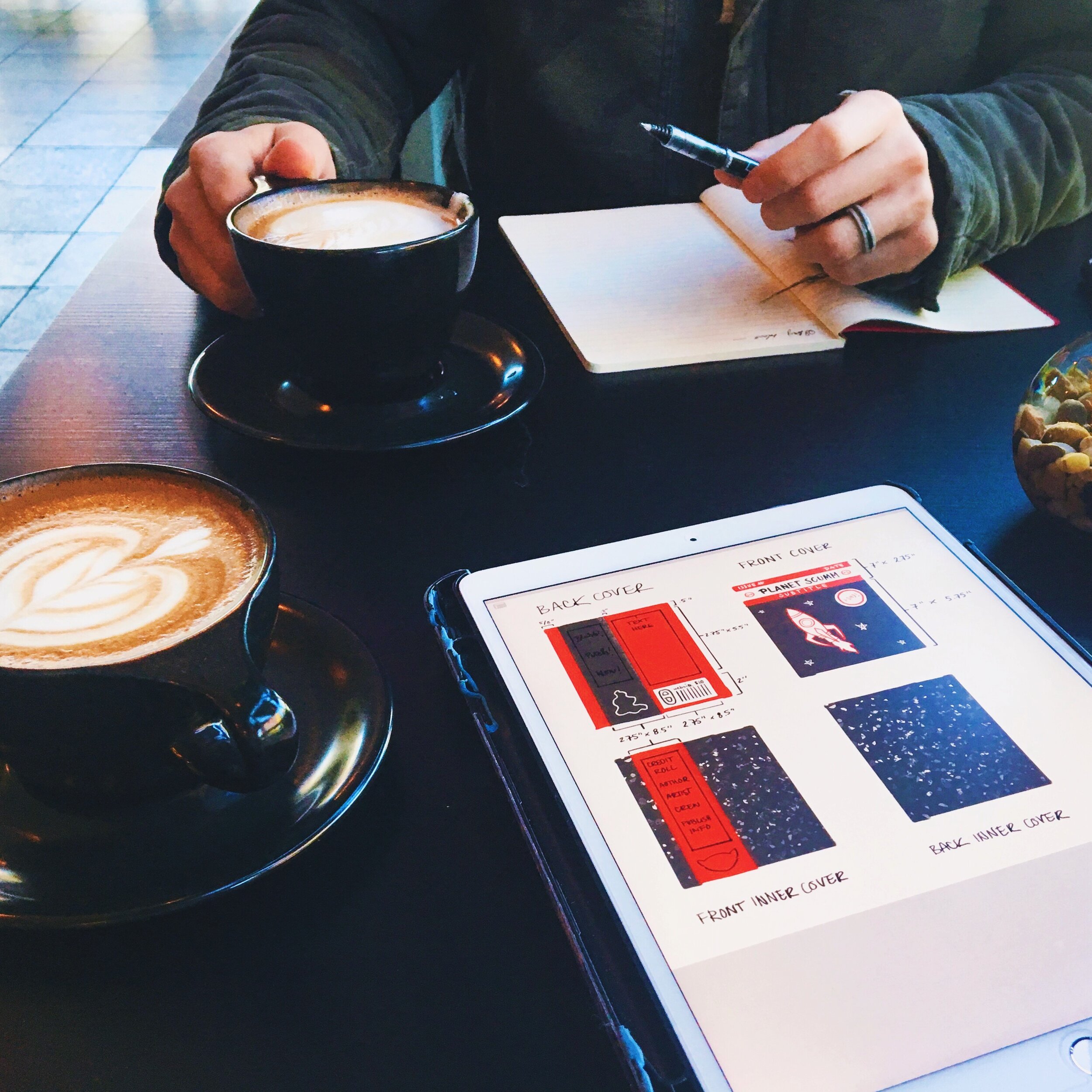
These days, you might not even choose to sketch on paper. While nothing ever feels as satisfying as successfully drawing a clean line on paper, I tend to use my iPad Pro for sketching more often than not, especially for commission work. I sketch all of my concepts out in Procreate and when I’m happy with that first draft, I port the files over to Photoshop.
A few reasons I like to use Procreate for sketching include:
Flexibility: I can bring my iPad anywhere. As long as I’ve remembered to charge it, I’m not restricted to an outlet. I don’t have to carry a huge pencil box that I’m prone to spilling. I can get work done on flights, in doctor’s waiting rooms, or sitting at my favorite coffee shops. If I’m drawing a cool building I found on vacation, I can snap a picture from my vantage point so I can refer back and finish it up later. Better yet, working with layers during the sketching process has really streamlined my workflow. I no longer have to go through twenty pieces of paper, redrawing the same thing over and over, to refine my ideas.
Photoshop compatibility: I love that Procreate’s files interface easily with Photoshop. I have a Wacom Cintiq, but its tethered nature doesn’t lend me the freedom of an iPad. While my projects still tend to change drastically after being moved into Photoshop, I find that I start from a much stronger place if I’ve given myself the time to work through them in Procreate first.
Program versatility: In Procreate, it’s really easy to change colors, amend composition, and tweak perspective. The color changing feature especially brings me joy because I don’t know about you, I rarely choose the best possible color scheme on the first try.
Start sketching
Taking the time to choose the right types of paper really gives you the freedom to explore your ideas free of annoyances. When you’ve carefully selected your materials, you can jump right in - and when you’ve found that elusive creative flow, awesome things happen. You may even surprise yourself.

The Magic of Literary Nostalgia
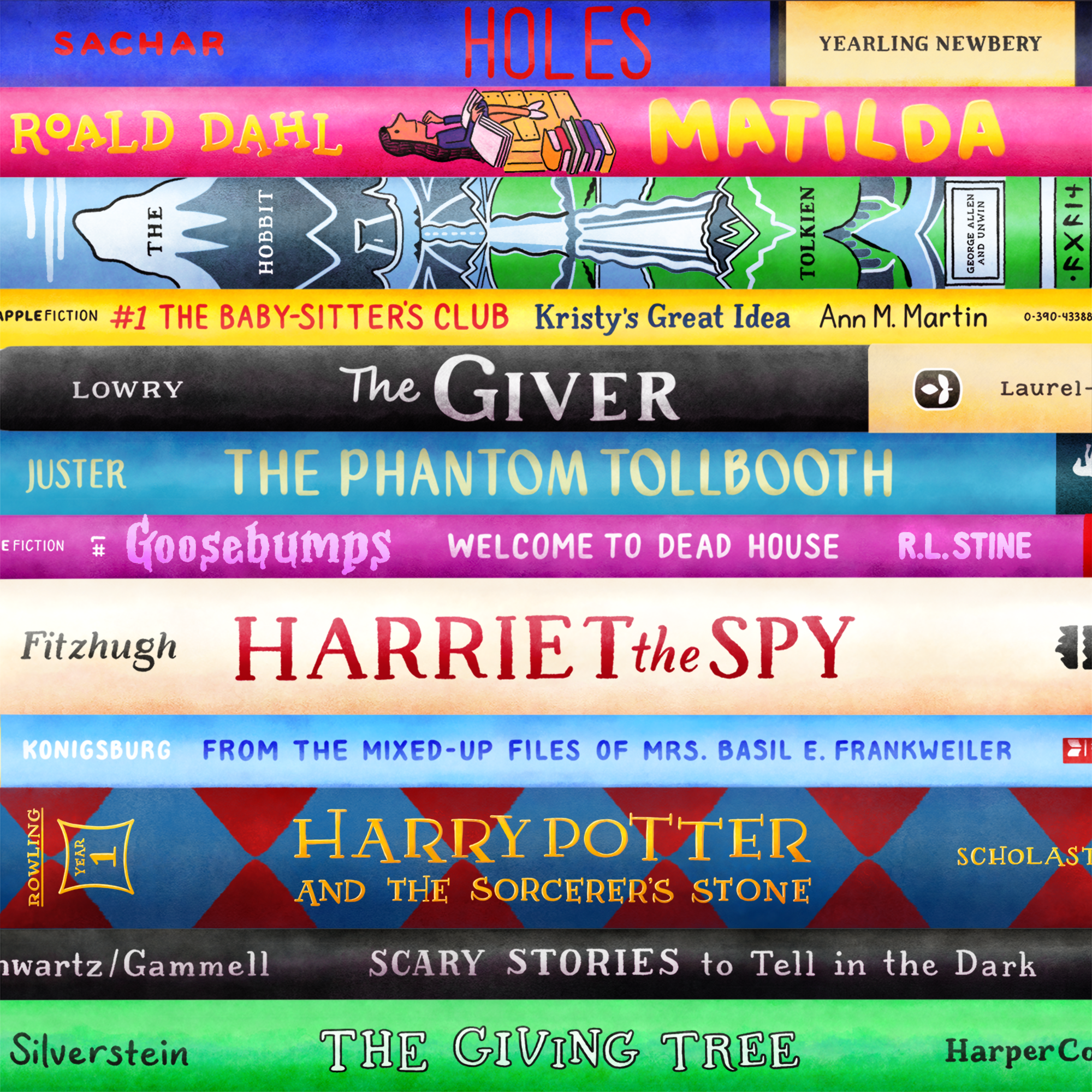
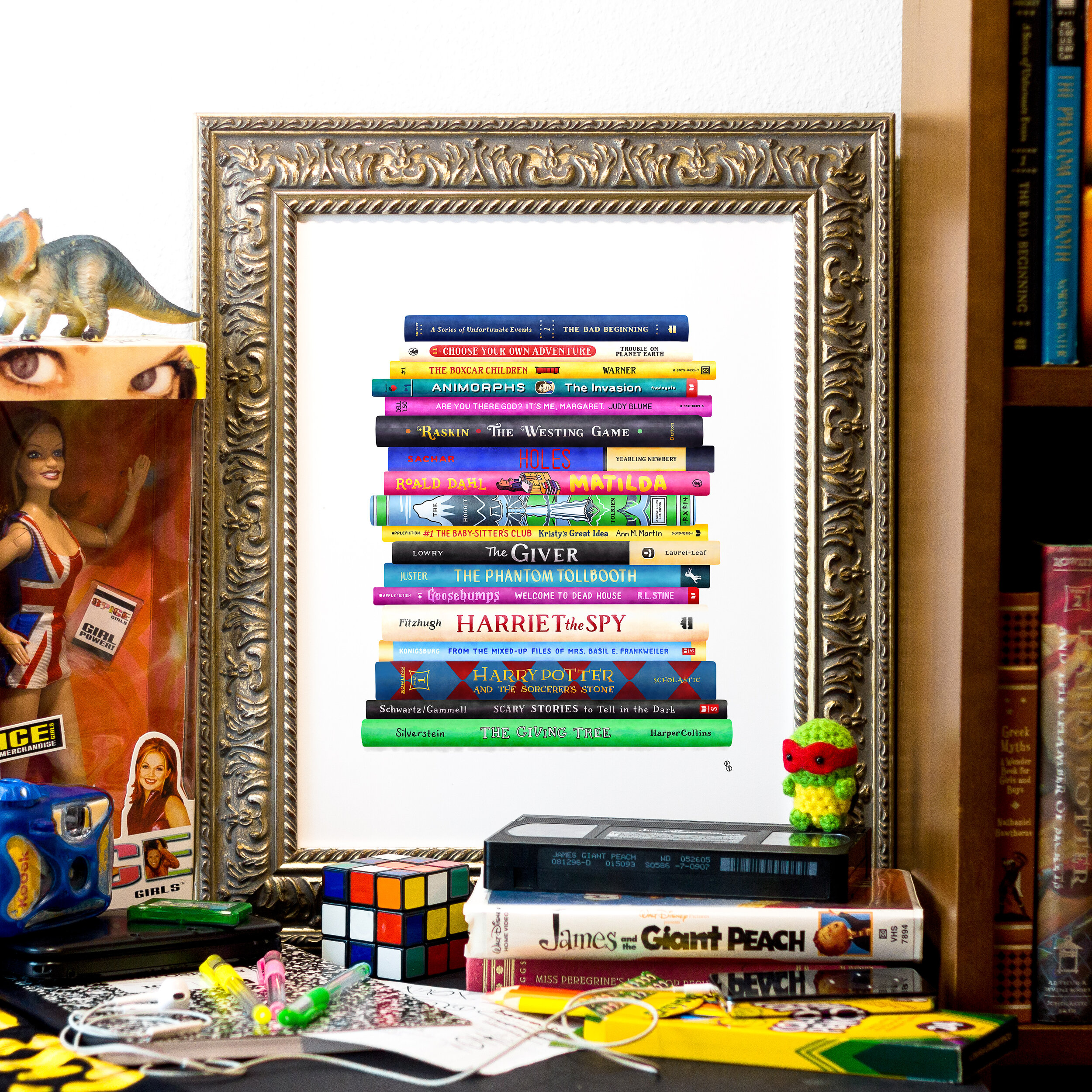
The Young Adult Nostalgia Book Stack Art Print will be available in my shop on Sunday, October 6th, 2019. To celebrate its release, my whole shop will be 10% until midnight on Monday, October 7th, 2019.
Since early childhood, I’ve had a voracious love of reading. I’d dive into anything I could get my tiny hands on with reckless abandon, age level be damned. I’d ricochet between Jane Eyre one day and Goosebumps the next - and hey, some could argue that Eyre is in itself a horror story so maybe there is some consistency. I read The Phantom Tollbooth so many times, I’ve had to glue the cover back on twice. I could replace it with a new copy, but that history is what makes it so special.
In my now-aged state, I can trace a myriad of life lessons that shaped me all the way back to my childhood obsession with books:
Matilda taught me that being a quirky kid with strong interests and limited social interaction didn’t mean I had less of a voice than my peers. This long-time homeschooled kid still owes Roald Dahl a debt of gratitude.
The Baby-Sitter’s Club showed me that you can develop your entrepreneurial spirit at any age, which led me to selling handmade goods in a hobby store by 12 years old. Don’t let your dreams be dreams, kids.
Most influential of all was A Series of Unfortunate Events. Over the course of those thirteen books, I learned to keep moving when things go wrong, to see all the beauty between inevitable hardships, and to never underestimate the power of an extensive vocabulary - all of which has come in handy as I battle complex health problems.
I’m sure each and every one of us can trace back similar pathways. We can attribute persistence to The Hobbit and sacrifice to The Giver. We learned how magical chosen families can be from Harry Potter. Our curiosities were encouraged by Harriet the Spy. We all remember the bonding experience of staying up late with a best friend and traumatizing ourselves with Scary Stories to Tell in the Dark.
I’ve kept my childhood copies of these books close to my heart, lugging them back and forth with each cross-country move. As adults, our free time is often so limited and it can be difficult to find opportune moments to read. I find myself prioritizing new-to-me novels rather than circling back around to my YA staples. That’s what inspired me to paint this Young Adult Nostalgia Book Stack. Now, every time I walk down my hallway, I am transported back into the feeling of what it was to be young, curious, and craving my next great literary adventure.
The Young Adult Nostalgia Book Stack Art Print will be available in my shop on Sunday, October 6th. To celebrate its release, my whole shop will be 10% until midnight on Monday, October 7th.









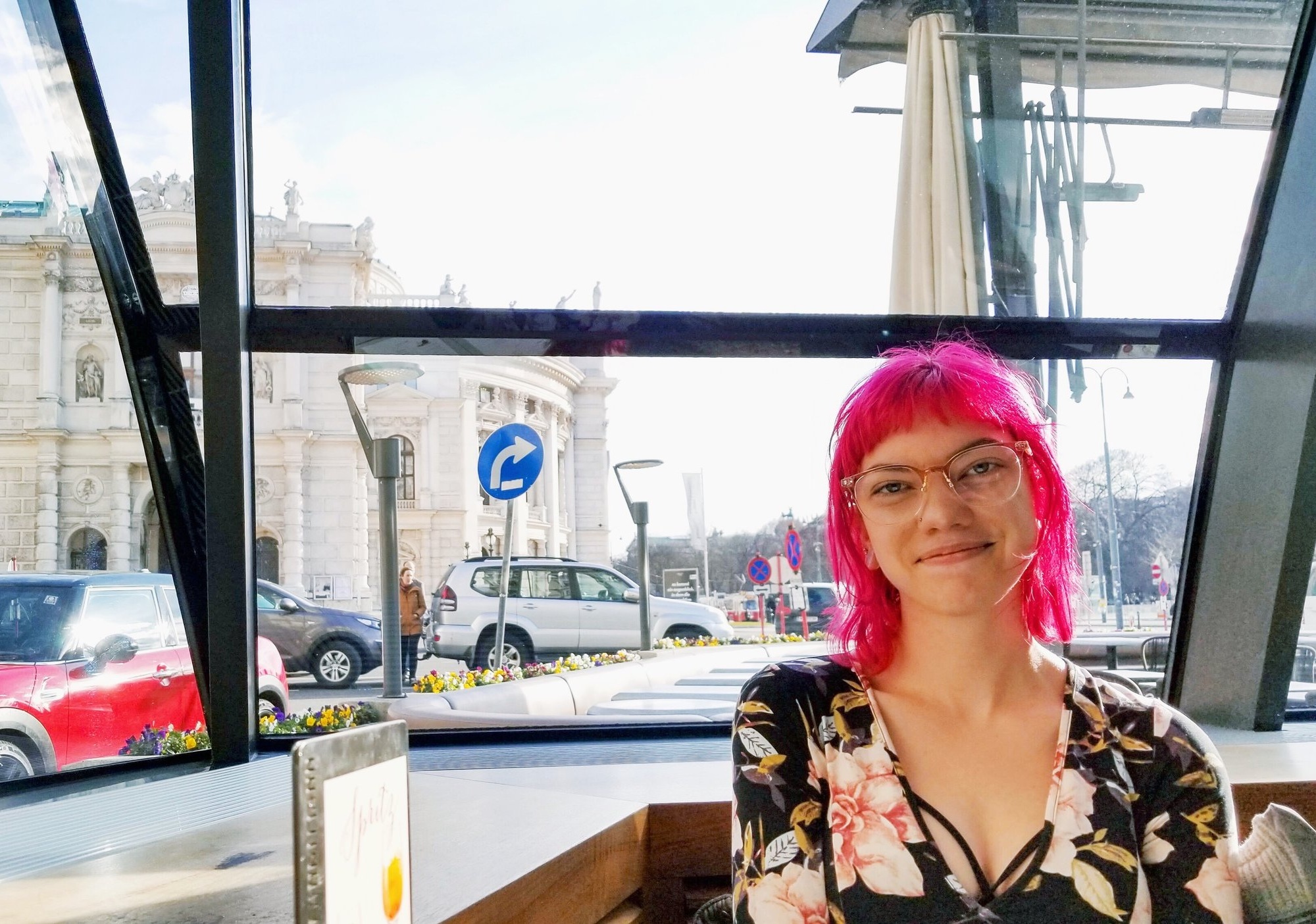

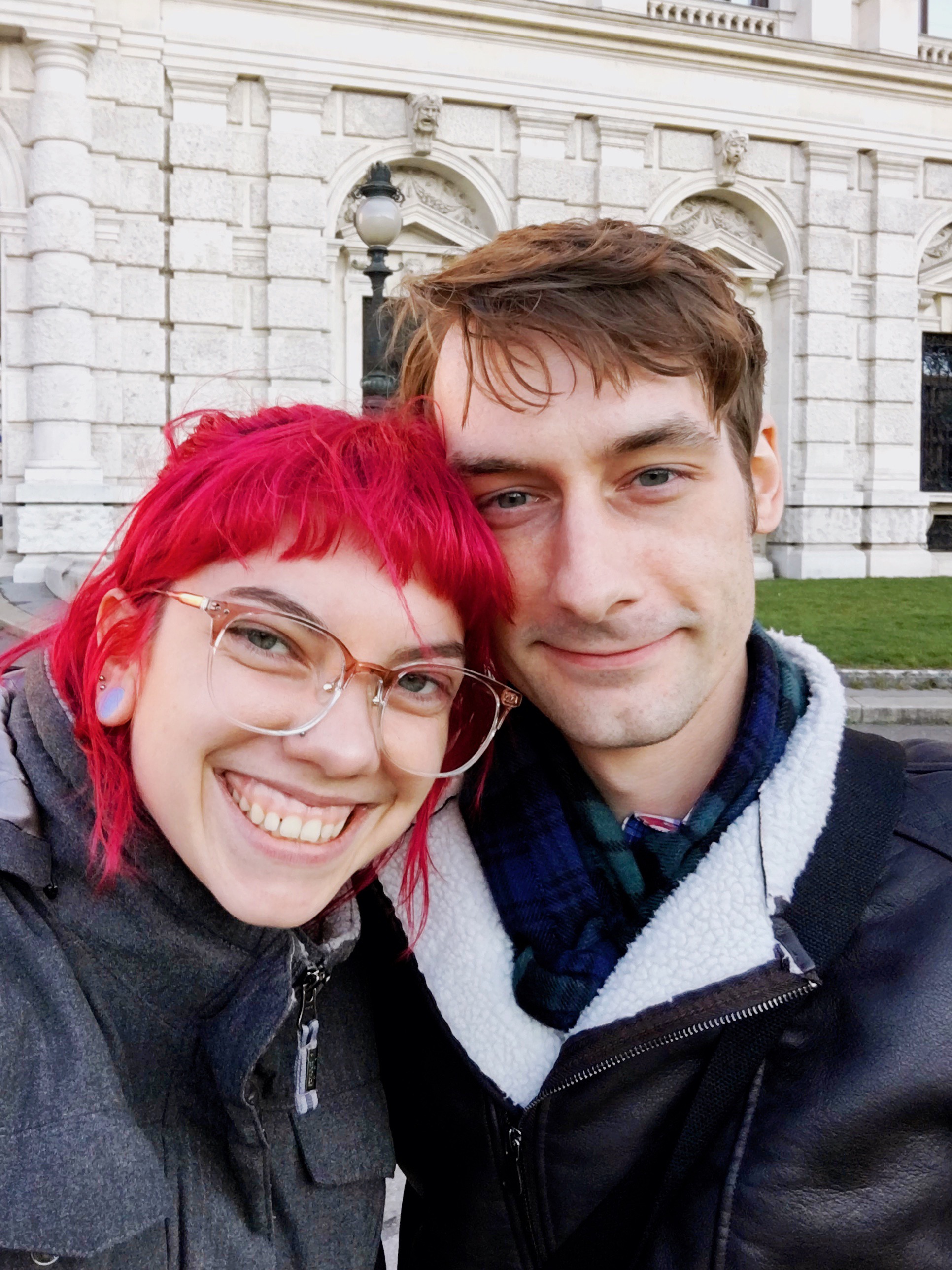

Endometriosis Awareness | Life After Diagnosis
Nothing can prepare you for the idea that in a single day, your body can change and life will be irreversibly worse. Click here to donate to endometriosis research.

Nothing can prepare you for the idea that in a single day, your body can change and life will be irreversibly worse. It’s too frightening, too depressing, too taboo. Parents don’t want to scare their children, doctors don’t want to spike patient anxieties, and we all want to lie to ourselves, blindly believing we’ll always be healthy. I’ve learned the hard way - three times now - that sometimes, life as you know it will end.
March is Endometriosis Awareness Month and I felt compelled to write something about the toll that chronic illness can have on a person. Selfishly, I need somewhere to vent but I also hope that this helps scare someone into keeping a close eye on their health. It is a finite resource and late 20s is a crucial time to start on your preventative care.

Two weeks post-op on my first outdoor excursion. In this image, I have six broken bones and was surviving on Dilaudid.
As some of you know, I was diagnosed with an uncommon bone deformity in my legs four years ago and underwent major, invasive surgery in hopes of correcting it. Blow Number One was that diagnosis. I was 23, very active, and never once considered that I could become disabled out of nowhere. The promise of a swift recovery was impressed upon me over and over. I accepted it with youthful optimism; a year from now, I’ll be better. A year from now, I will walk again and rock climb again and my legs will be even better than they were before.
Blow Number Two came the elusive year after surgery when my doctors admitted that the surgery hadn’t done what they hoped. Through excruciating pain, I’d relearned the basics of walking but to everyone’s surprise, hit a plateau. I was impatient, thinking that there had to be an easy solution. After two more surgeries to remove a handful of the eighteen screws in my body, my surgeon told me short of another extreme, invasive procedure that probably wouldn’t make much difference, we’d reached the surgical end of the line. I went through two straight years of physical therapy, only to have my therapist say we’d done all we could reasonably do. I was 26, newlywed with a burgeoning art career, and should have been in a happy stage of life. Instead, I spent weeks into months sobbing over my failed surgeries, trying to wrap my head around the idea that I was officially designated as permanently disabled.
It was becoming apparent that I wasn’t coping, so I got myself a therapist specialized in chronic pain and she diagnosed me with medical PTSd. With her, I started to heal and accept my new life circumstance. I was finally issued the permanent disability parking placard I’d fought for since the very beginning of my health ordeal. I found an adaptive climbing group, started especially for those of us with disabilities. Things were looking up and I was finding ways to integrate the things I used to love back into my life. More importantly, I was learning to cope in healthy ways.

I started a comic series with the intent of giving me a space to process. Little did I know my whole body would become traitorous.
As the seasons shifted, so did my health. On Thanksgiving of 2018, I was curled up in agony, trying to decide if I should go to the ER for serious abdominal pain that had been beating me down for a month. It reached a crescendo that evening, but due to the medical trauma from my very first surgery, I knew better than to expect reasonable medical care on a holiday. My primary care doctor had already tested me for all manner of GI and food related intolerances. I’d given up gluten, broken my diet all the way down, and was living on depressing, low FODMAP approved foods. And yet, everything - especially my fatigue - had only gotten worse. I was recently 27, miserable, and reasonably certain I was headed for literal death.

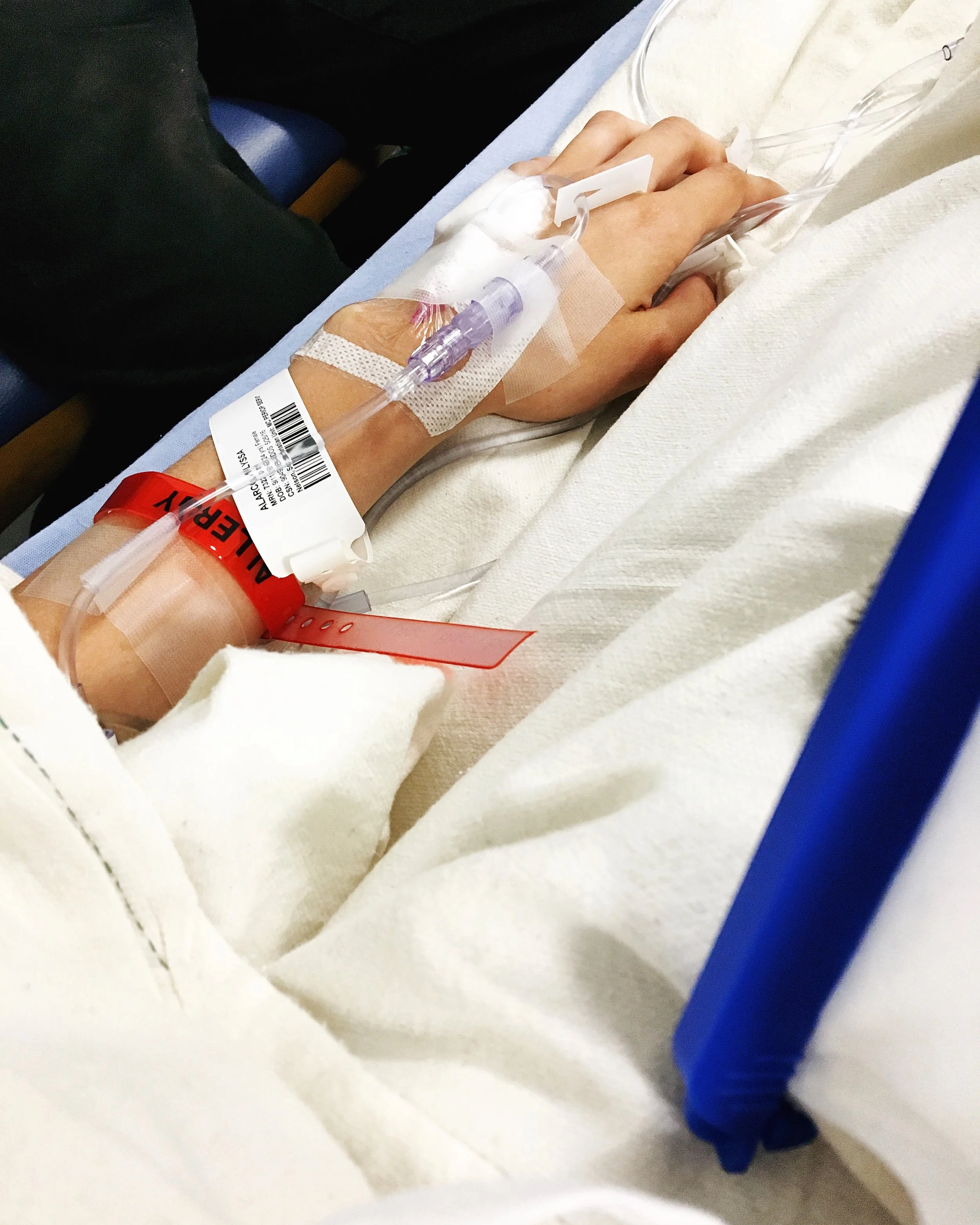
Getting reeeeeally tired of these hospital bracelets
I was desperate for an answer and begged for an ultrasound, finally managing to articulate that it felt like something was inside my body that shouldn’t be. I was correct and within the week - right before Christmas - I had a lemon sized cyst removed from inside of my left ovary. (55mm, for the curious.) My OBGYN said the ovary was so swollen, she could see it from the outside of my body. I went into surgery thinking excellent, onward to recovery. However, I left with Blow Number Three; the soul-crushing label of endometriosis.
Over the years, I’d wondered many times if I perhaps had endo. I’d even brought it up with a doctor or two, who told me that my catastrophic menstrual cramps were just part of the uterus-having experience. My current doctor was horrified when I told her that I have to shut it all down and stay in bed for the first three days of every single period. She was more horrified when she realized I’d been doing that for fifteen years and no one had ever helped me.
The hope was that my symptoms would decrease, at least for the time being, once my massive cyst (which we named Kevin) was fully excised. The surgeon said she saw no further endo and they hoped I’d have a couple of pain-free years before having to tackle this again. Instead, I had to endure a brutal abdominal surgery recovery and the symptoms never so much as decreased. I’ve been in severe pain every single day since mid-October and there’s no end in sight. I’m nearing 28, I’m not coping, and it feels like I’m just biding time until I get hit with Blow Number Four.
I’ve written this to occupy myself while I wait to hear back on yesterday’s ultrasound. Writing has always helped stave off the anxiety, but I have so many questions that keep creeping in. Has Kevin the Cyst regenerated? Are there more of them? Do I name them Kevin too or do they deserve their own names? How much endo was missed during the excision? Why did they miss it in the first place? What if none of this is even related to endo and my symptoms remain a mystery? What if it’s cancer? Oh god, what if it’s cancer? What if I’m in pain for the rest of my life? What happens when I can’t mentally handle the pain anymore? Why does this keep happening to me?
Nothing makes it easier to hear you have yet another incurable condition (especially one that is so difficult to control). Hours and hours of research have left me feeling darker and more hopeless about my future. The prospect of yet another surgery looms overhead. I’m exhausted, everything hurts, and it’s impossible to keep up with the demands of existence when an automatic 60% of my daily energy is siphoned into ignoring the ever-present pain in my left side. I long for the days when I was active and social, young and pretty, or even for the original post-surgery days when I simply wasn’t so isolated. By the fifth surgery, people assume you’re just used to it and don’t visit anymore. They’re right - I am used to it but I never want to be used to feeling so lonely. Life has become a carousel of four doctor's appointments a week, medications that help me with nothing, and the unending stress of being a burden on those I love.
I intended to end this on a more optimistic note about self care, but the truth is that I’m sick of deluding myself into believing that one day, I won’t be sick. Maybe at this point, self care involves telling yourself the truth about your situation and being transparent with others about your struggle.
As I previously stated, endometriosis is incurable, difficult to manage, and severely under-researched. I am filled with rage towards a system that does not value women or reproductive disease. If you feel so compelled, you can donate to endometriosis research here.
Nothing can prepare you for the idea that even after you’ve hit what you feel must be rock bottom, life can still change and once again, become irreversibly worse.
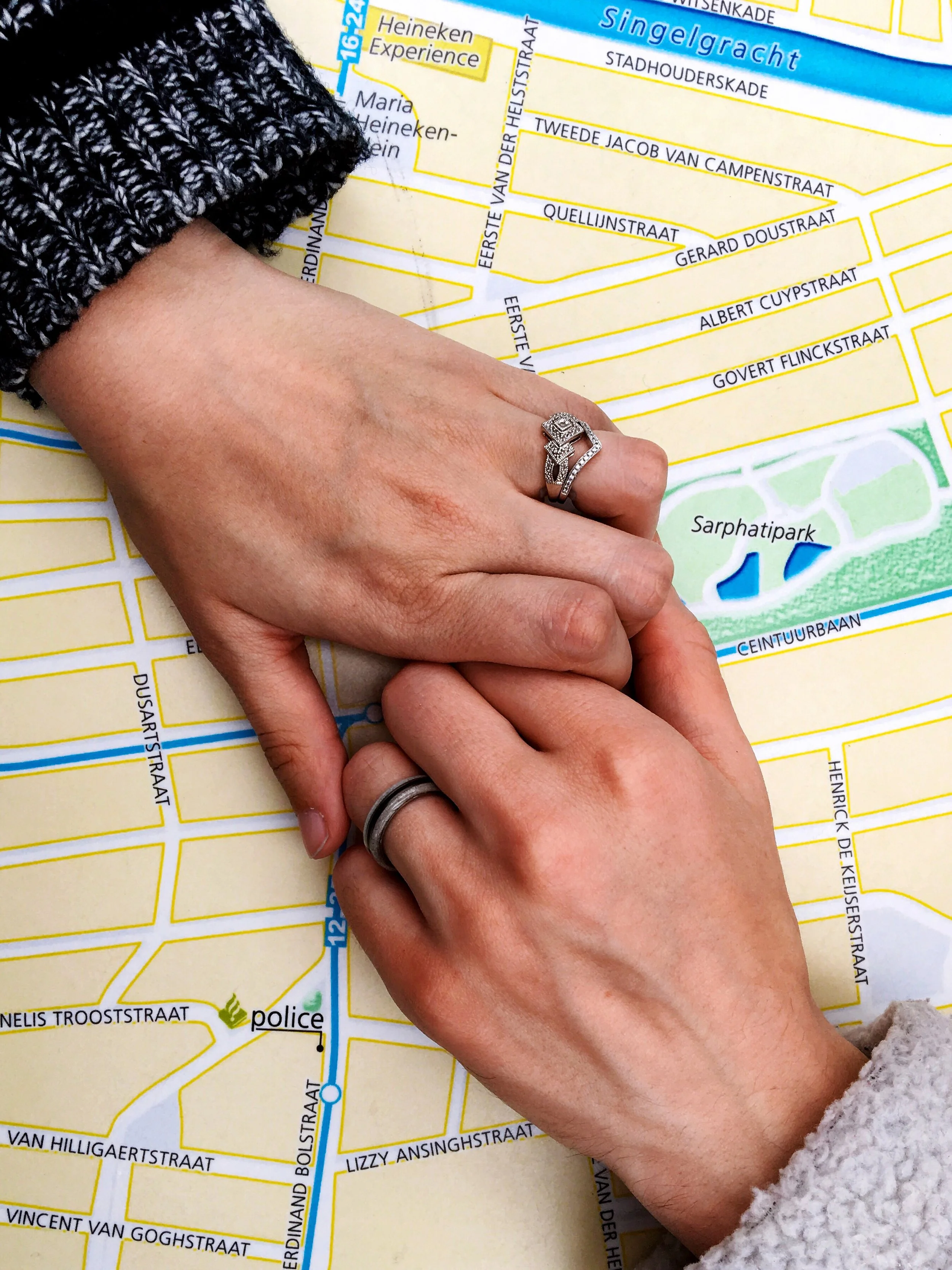
Honeymoon | Amsterdam, NL
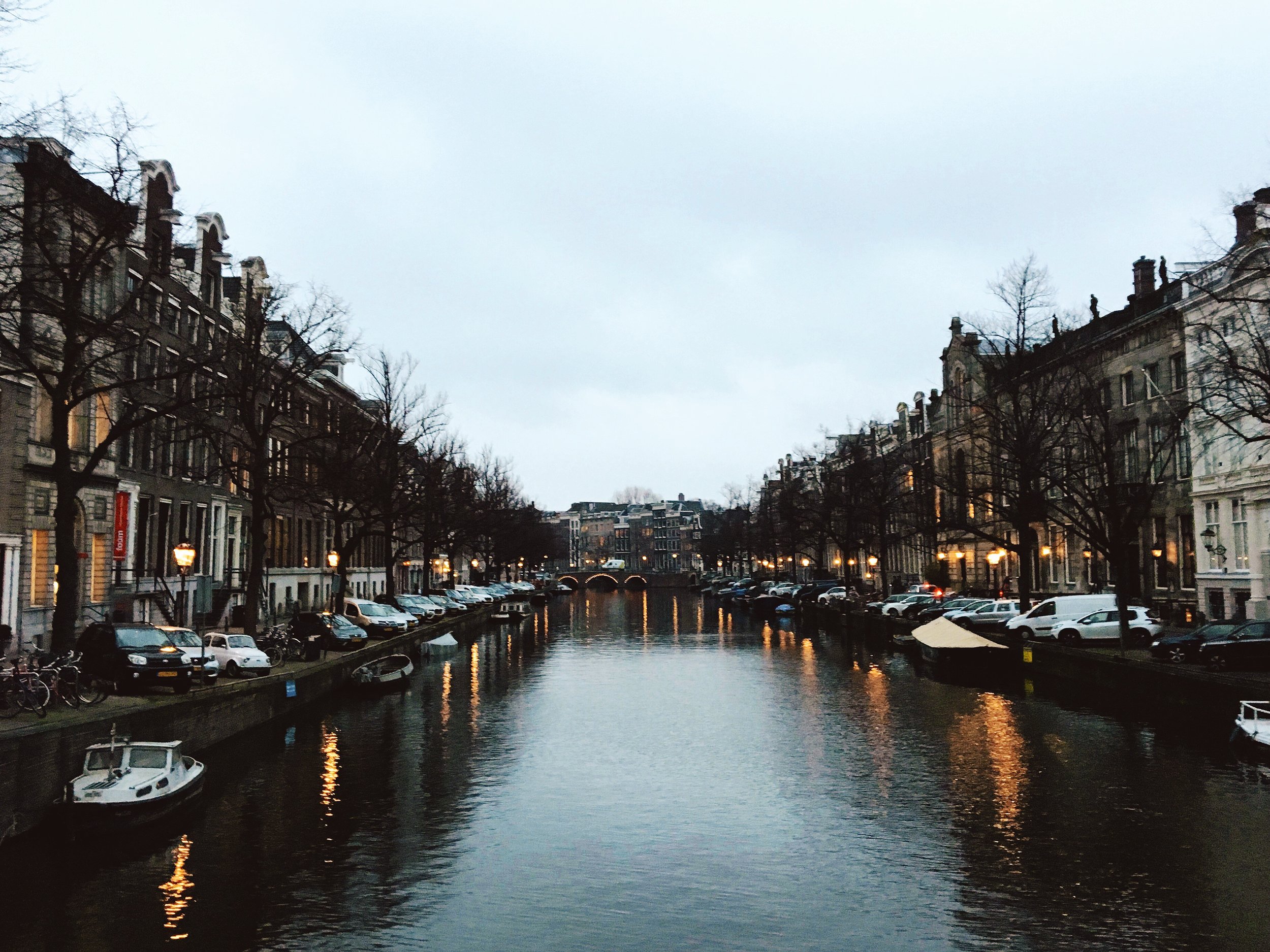
On the second stop of our honeymoon, we explore the magical canal streets of Amsterdam.
AMSTERDAM, NETHERLANDS

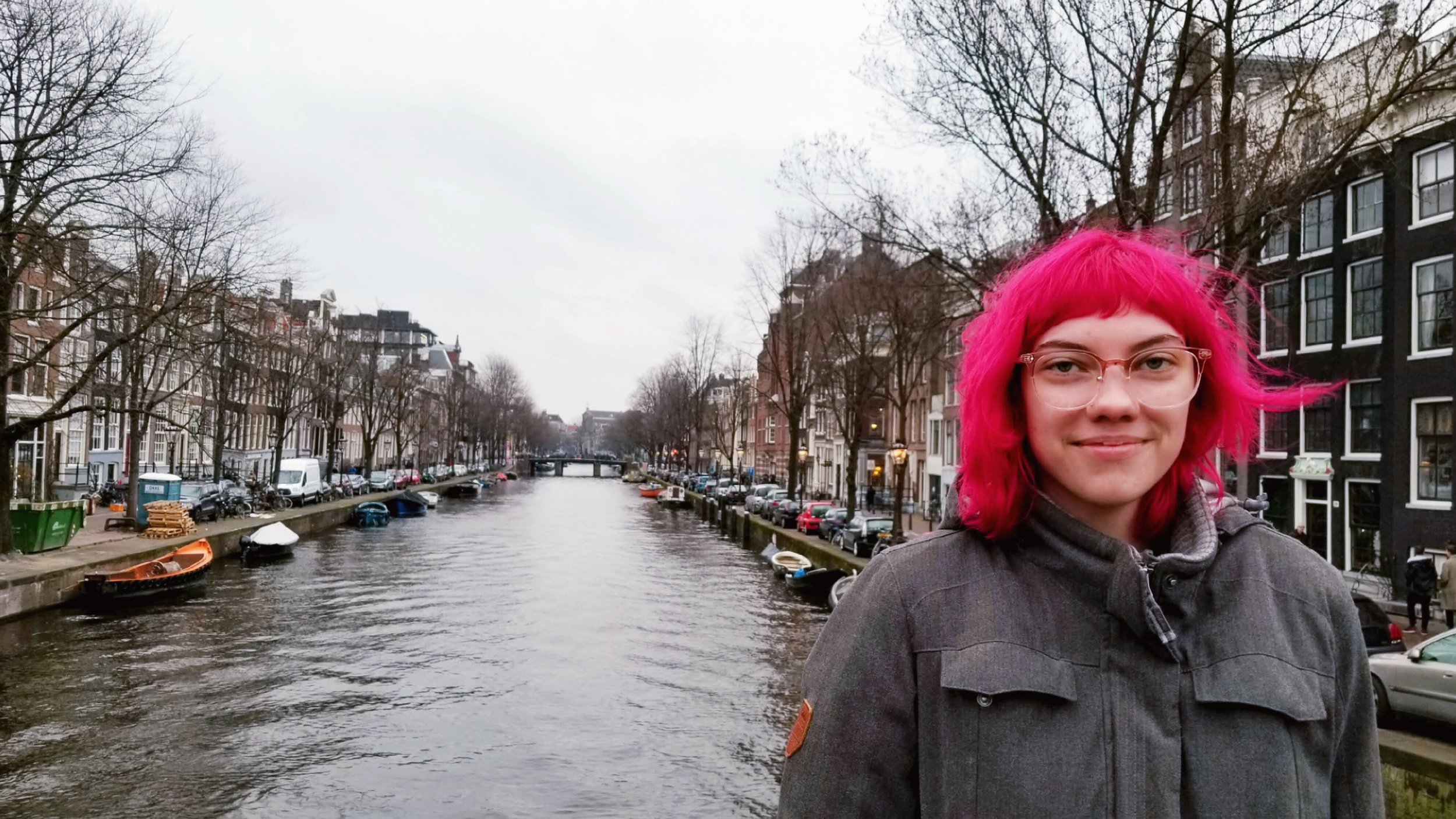
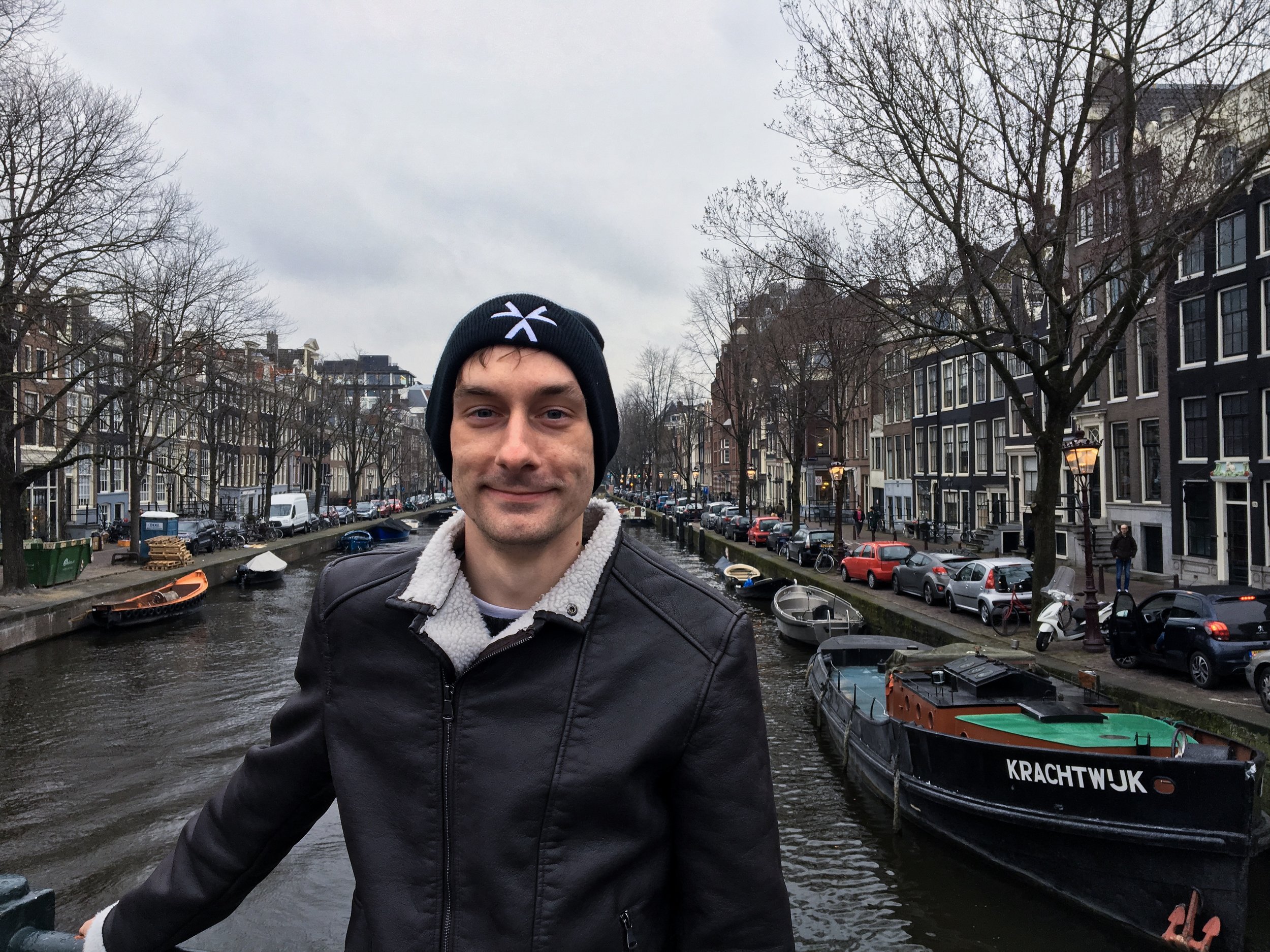
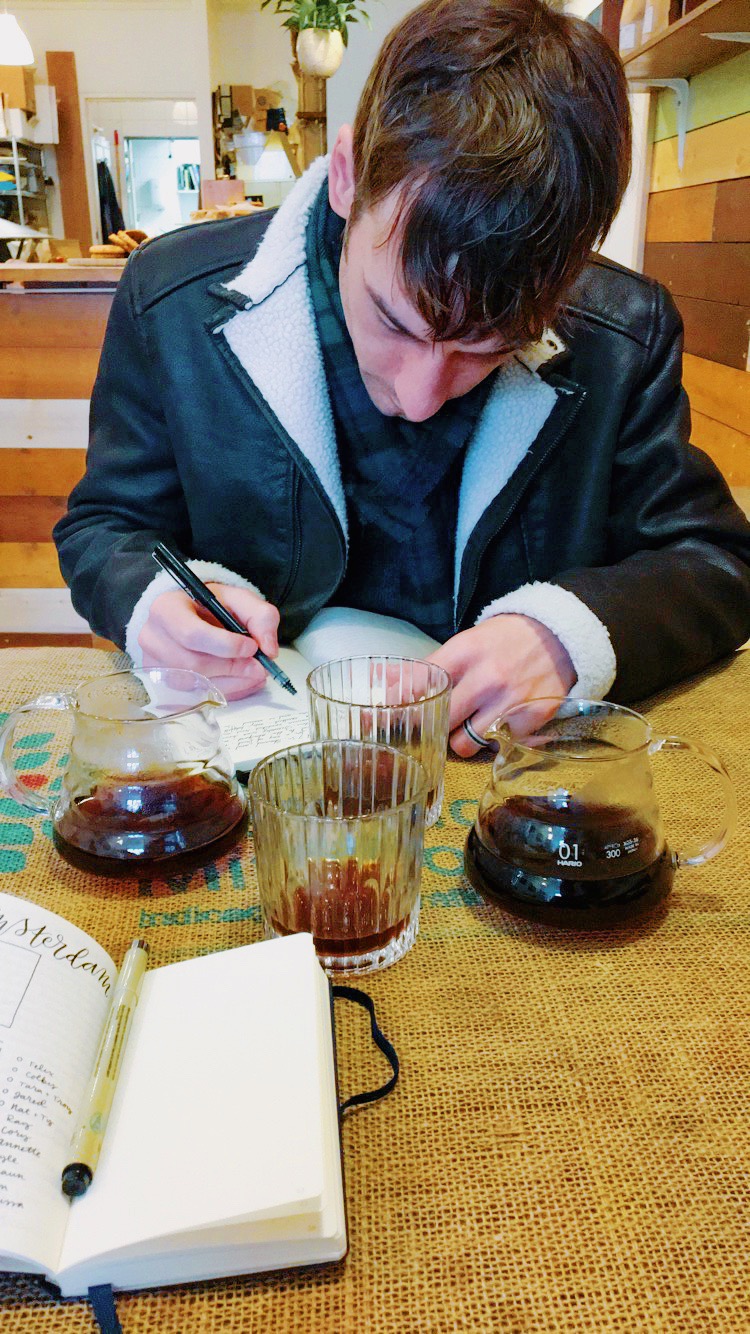
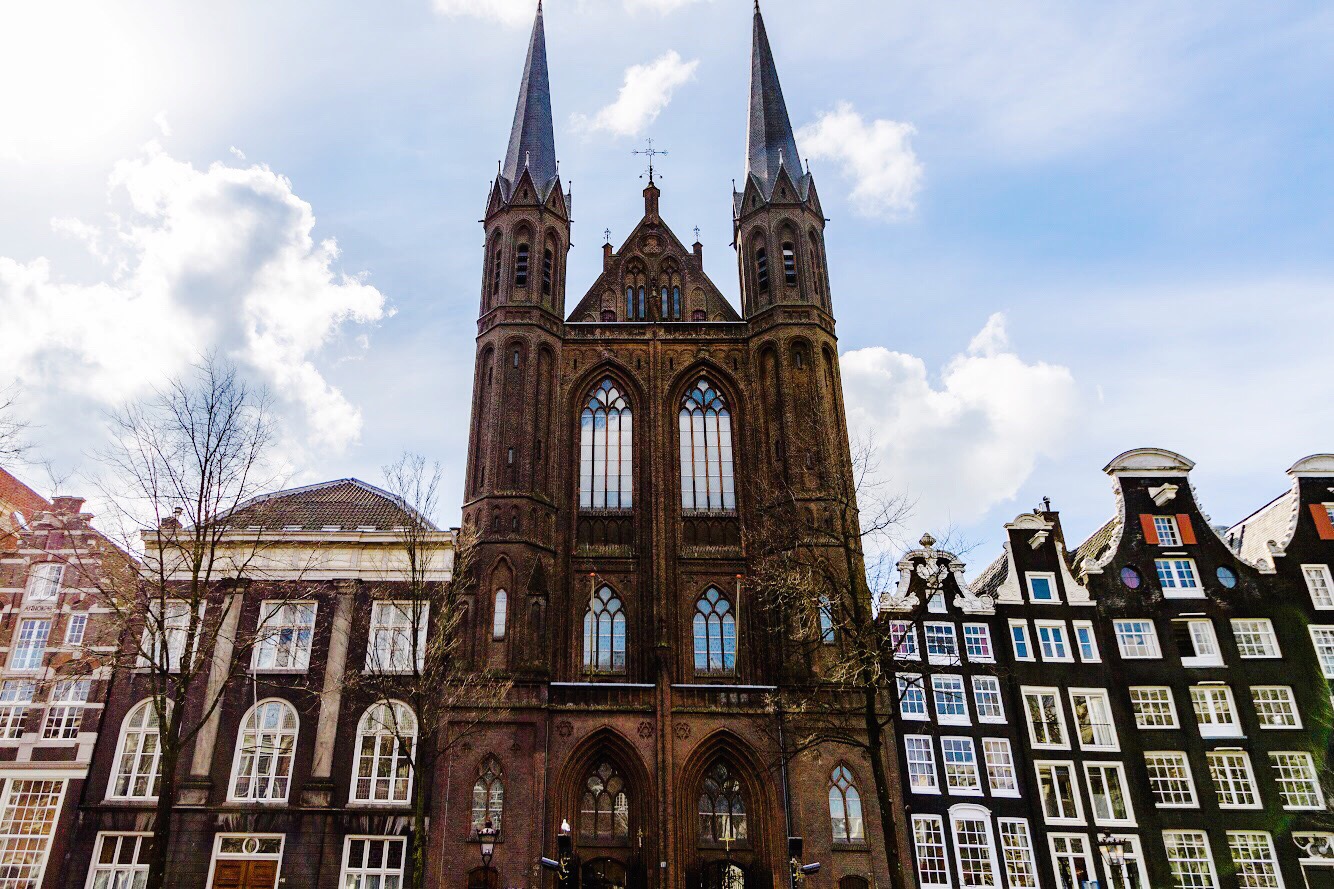
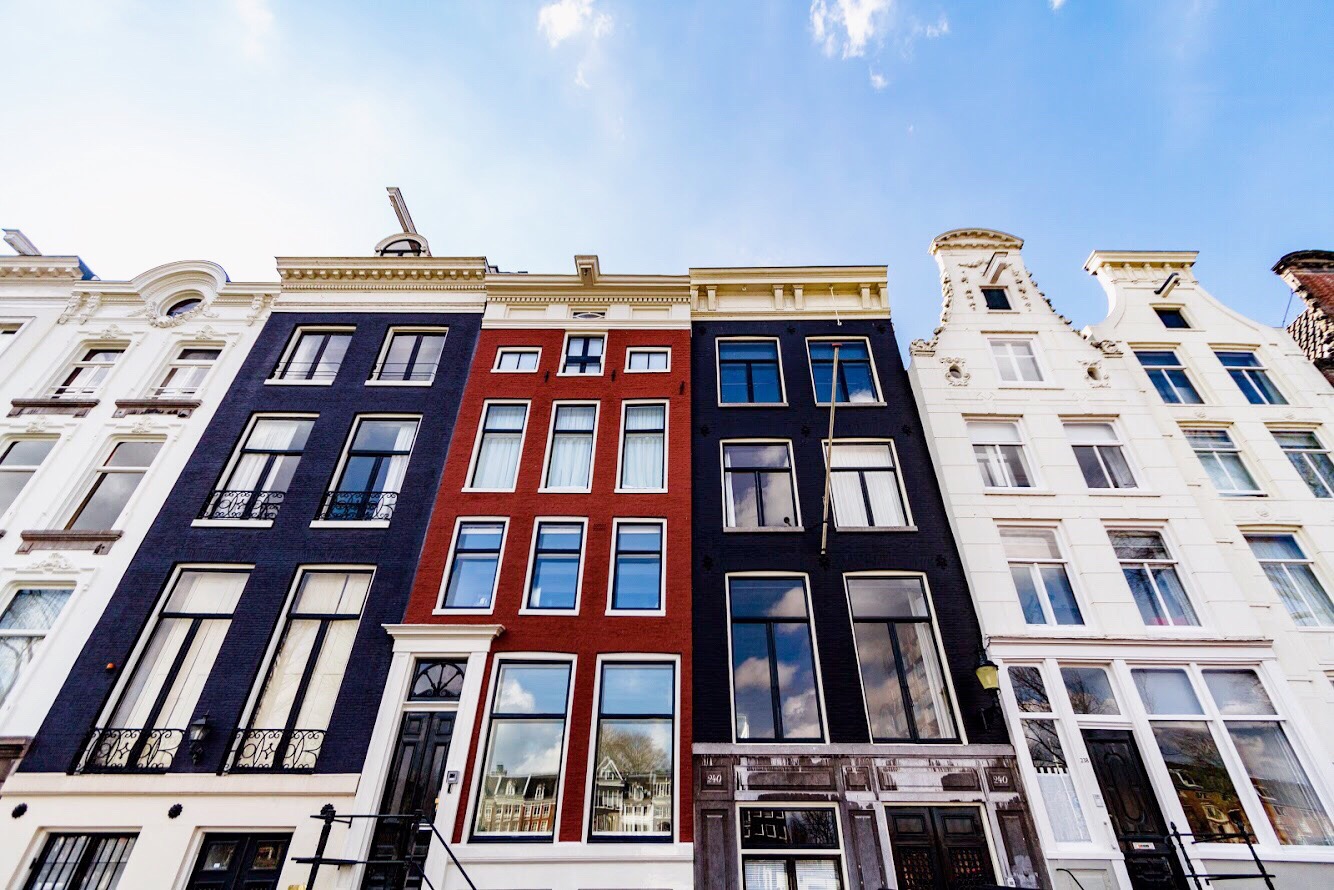
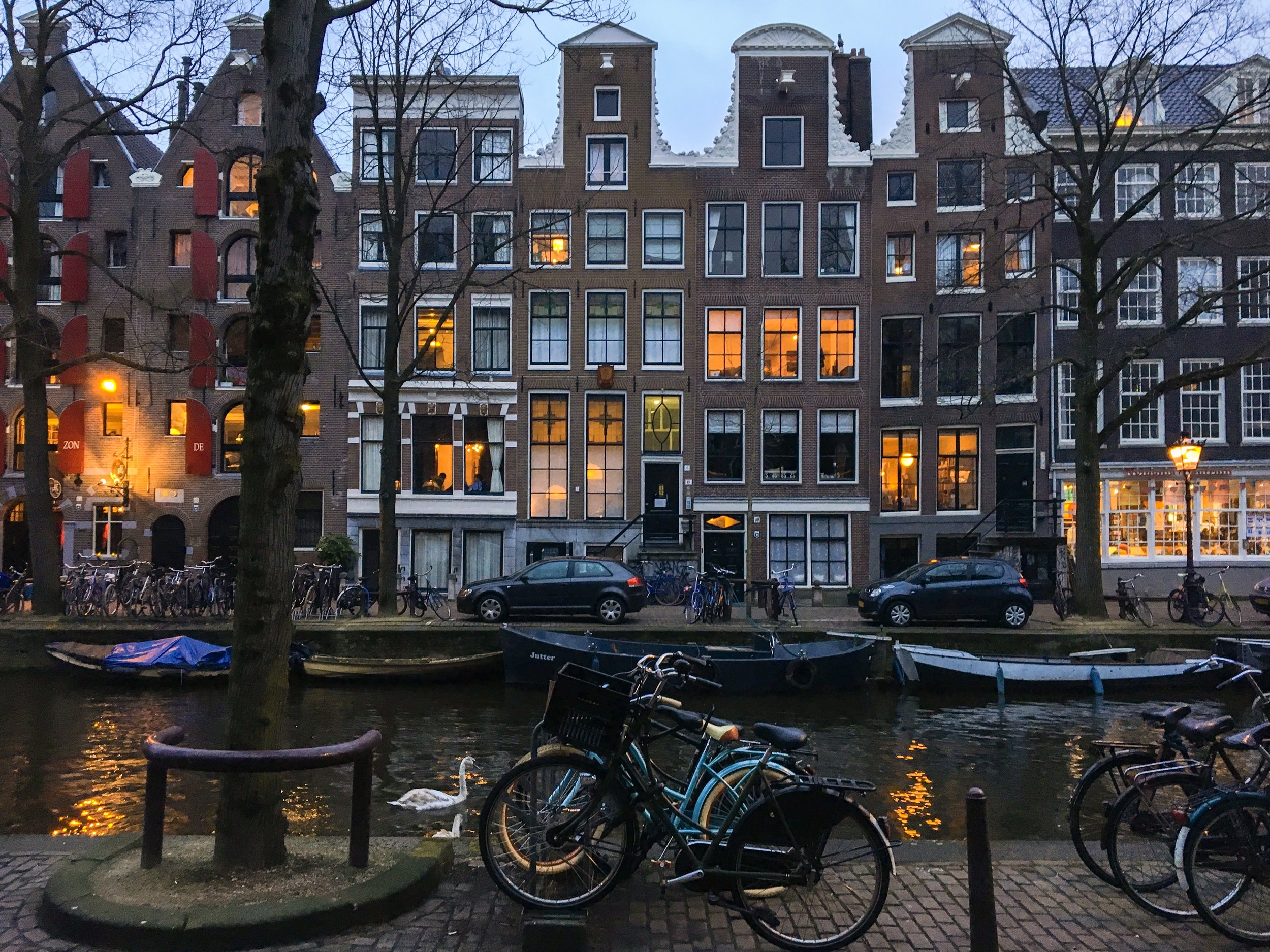
The second stop on our trip was Amsterdam, a city neither of us had been to before. Being the middle of March, it was still chilly and hadn’t yet flooded with tourists (as we were told by every local we spoke to). One of the reasons I love to travel is to spot architecture. God, I love a good building. We were in awe of the gorgeous canals and the variety of facades, not to mention the efficiency with which Amsterdam streets flow. It was a truly unique experience to wander through town at our own pace, uninterrupted by stop lights. With my legs being what they are, I obviously can’t ride a bike. I’m proud to say I was not run over by one, either.


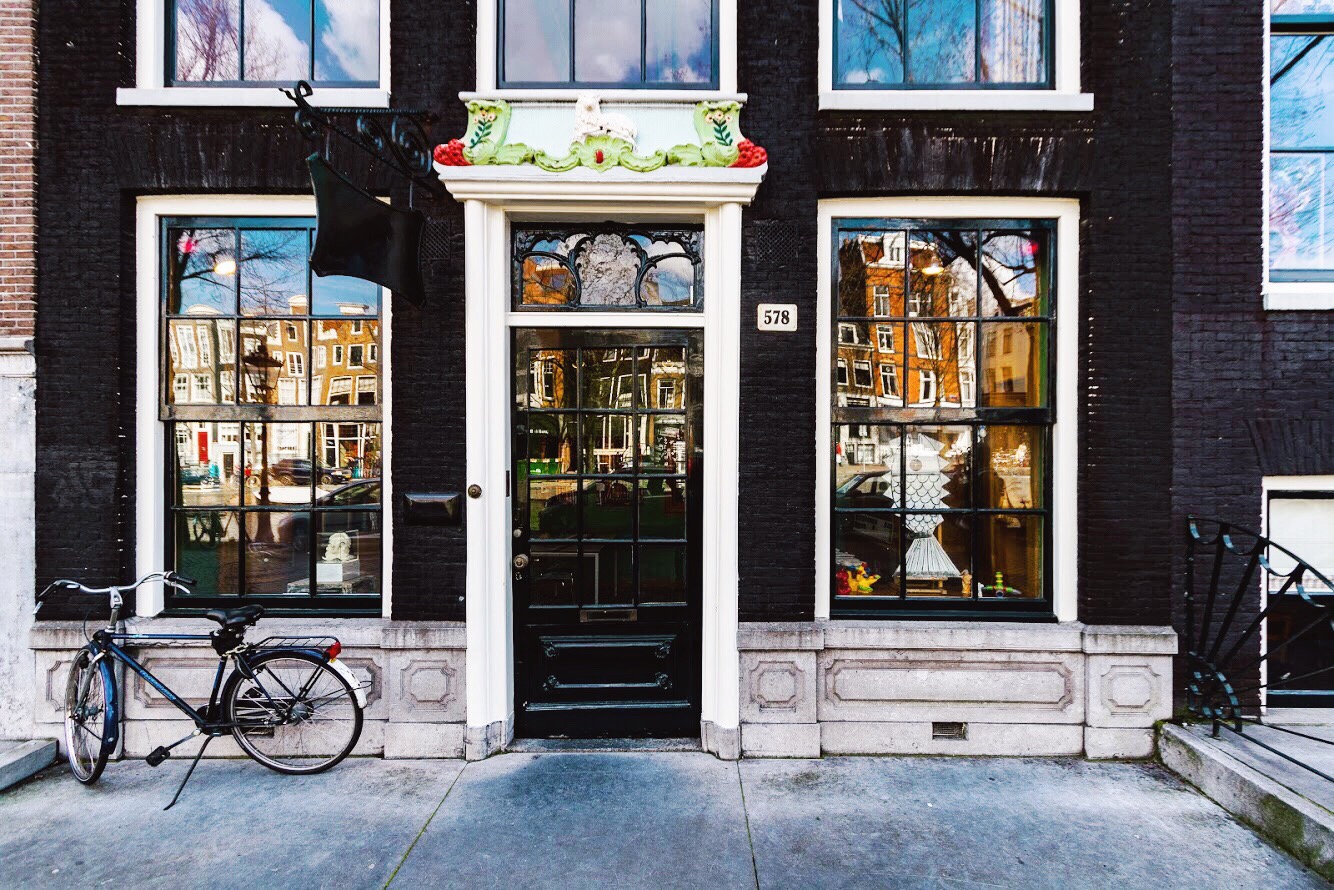
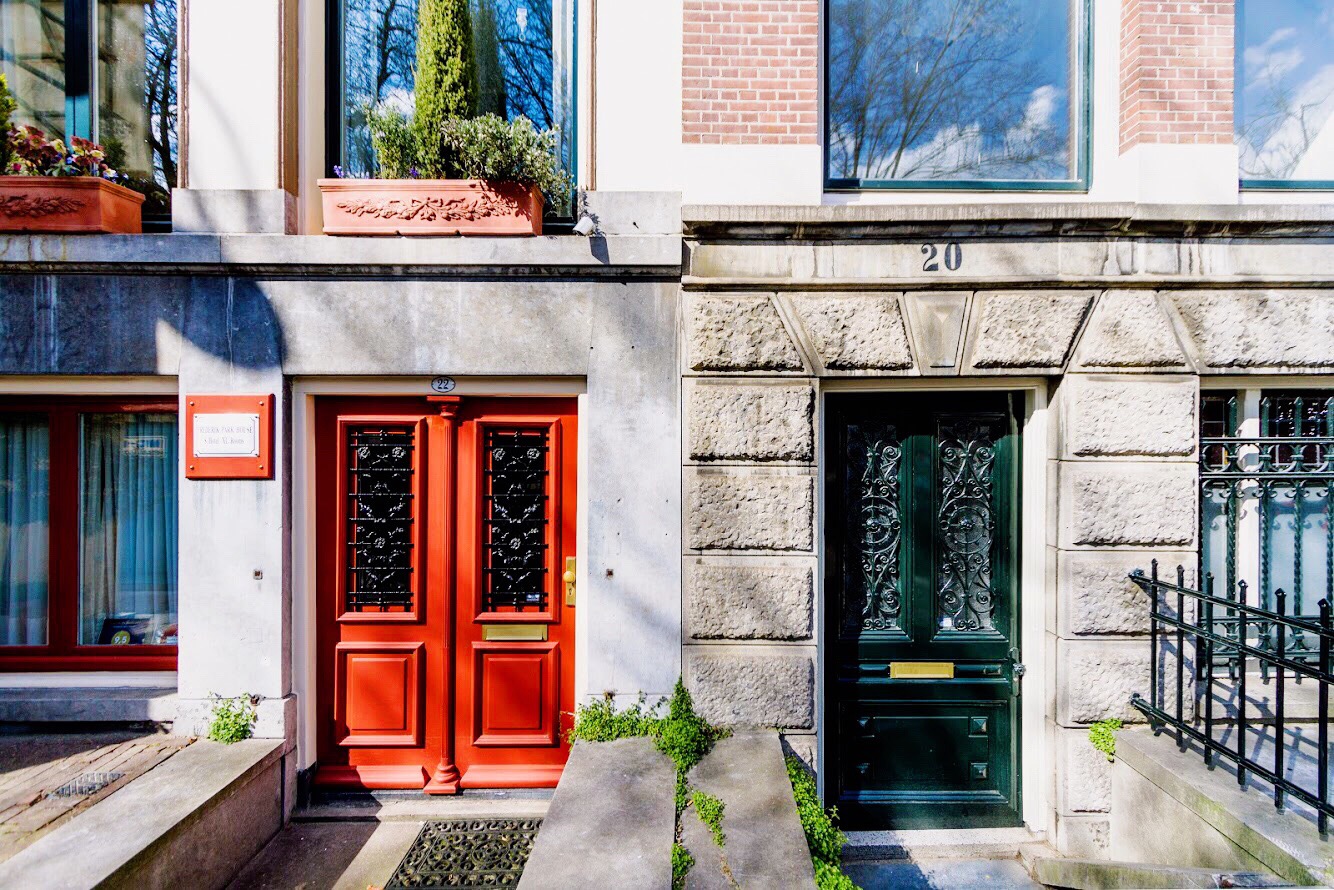
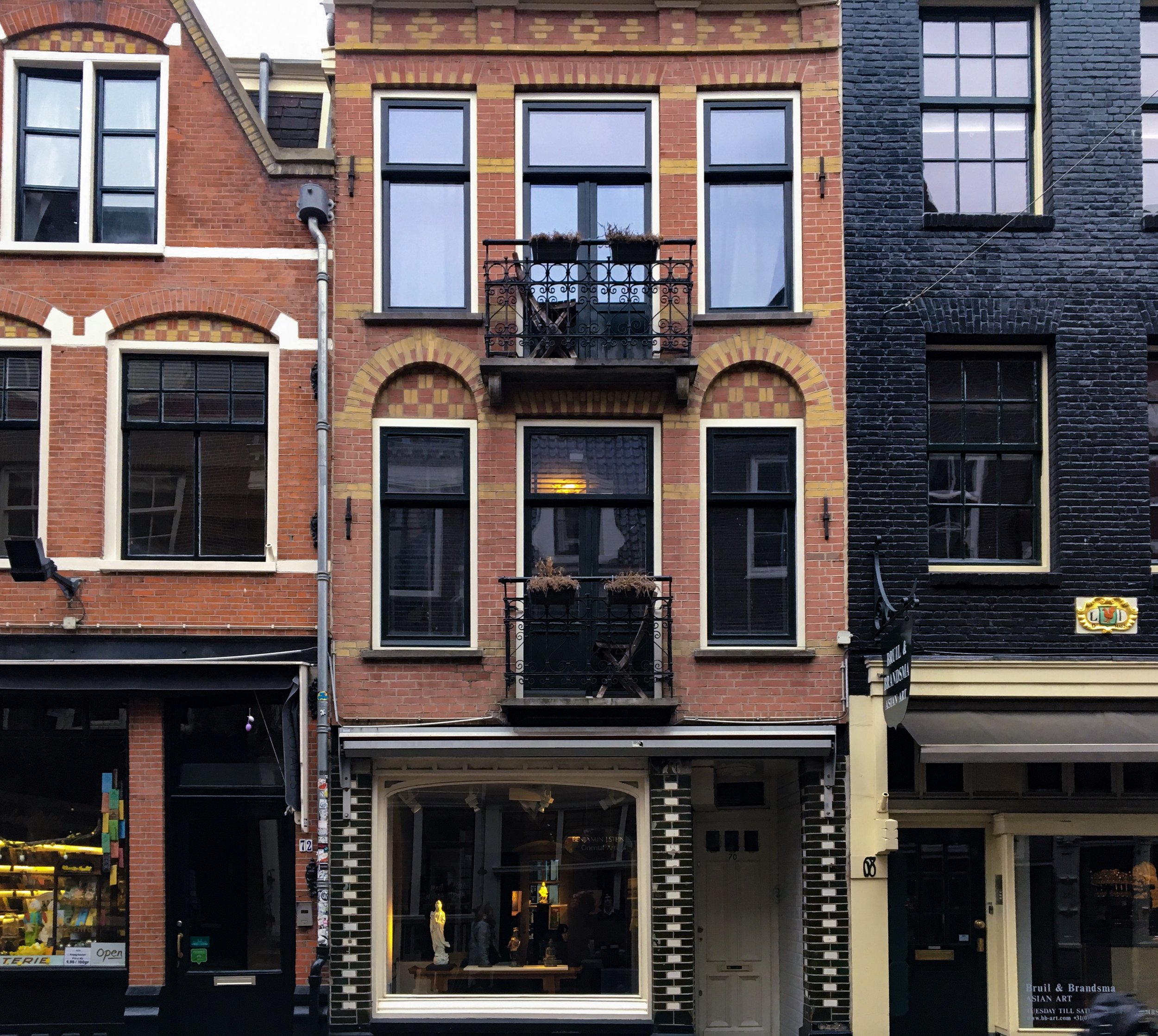
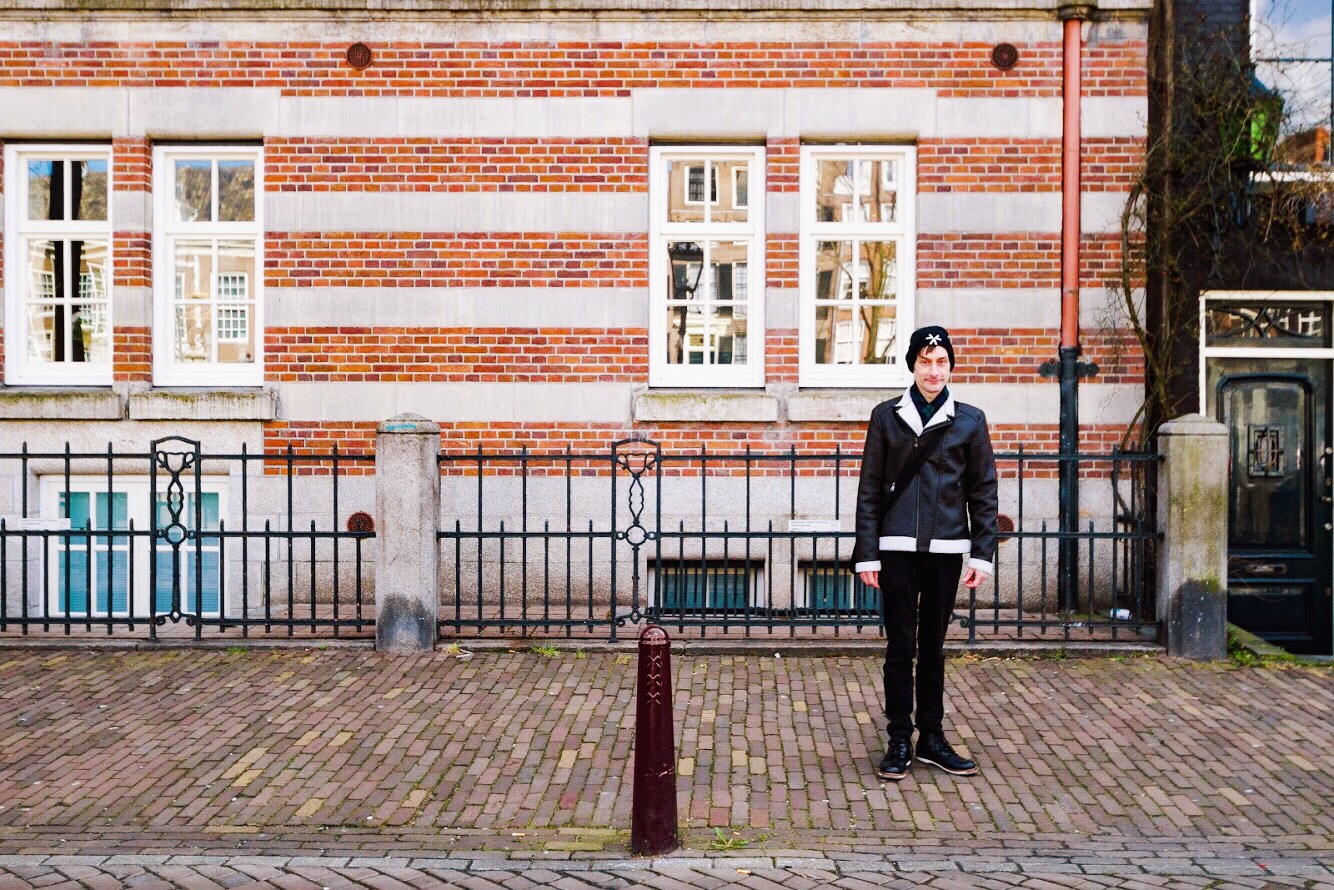
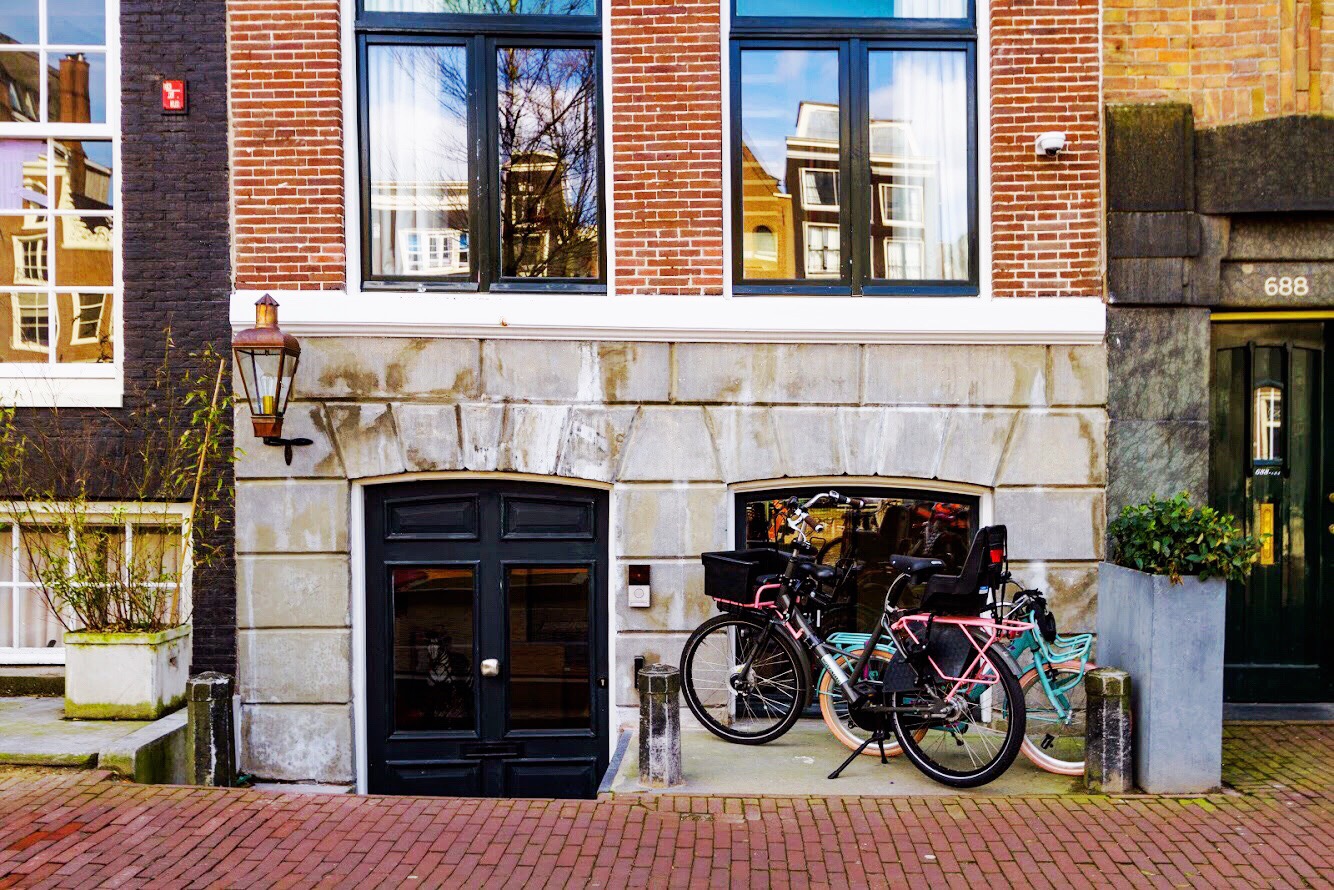
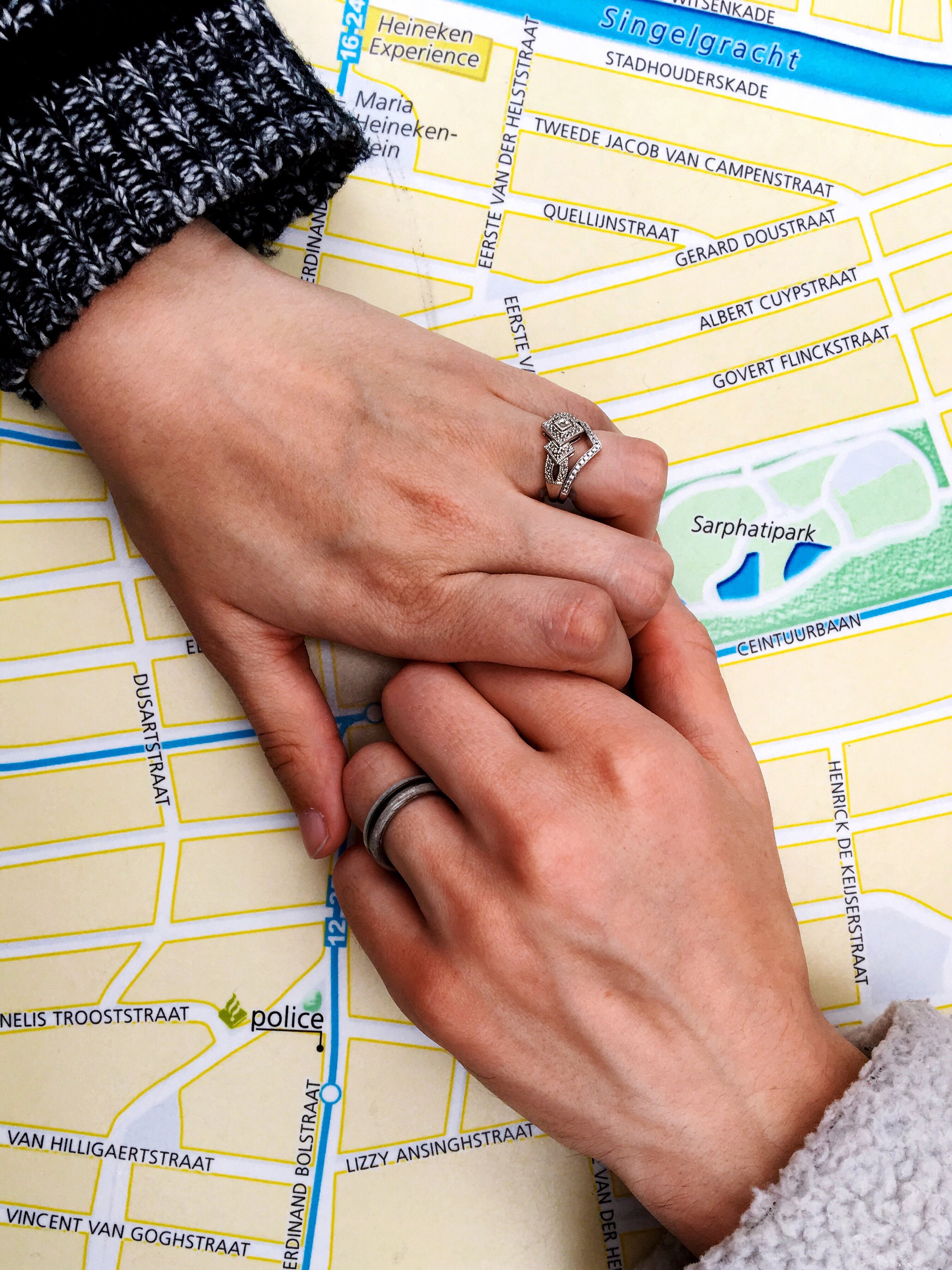
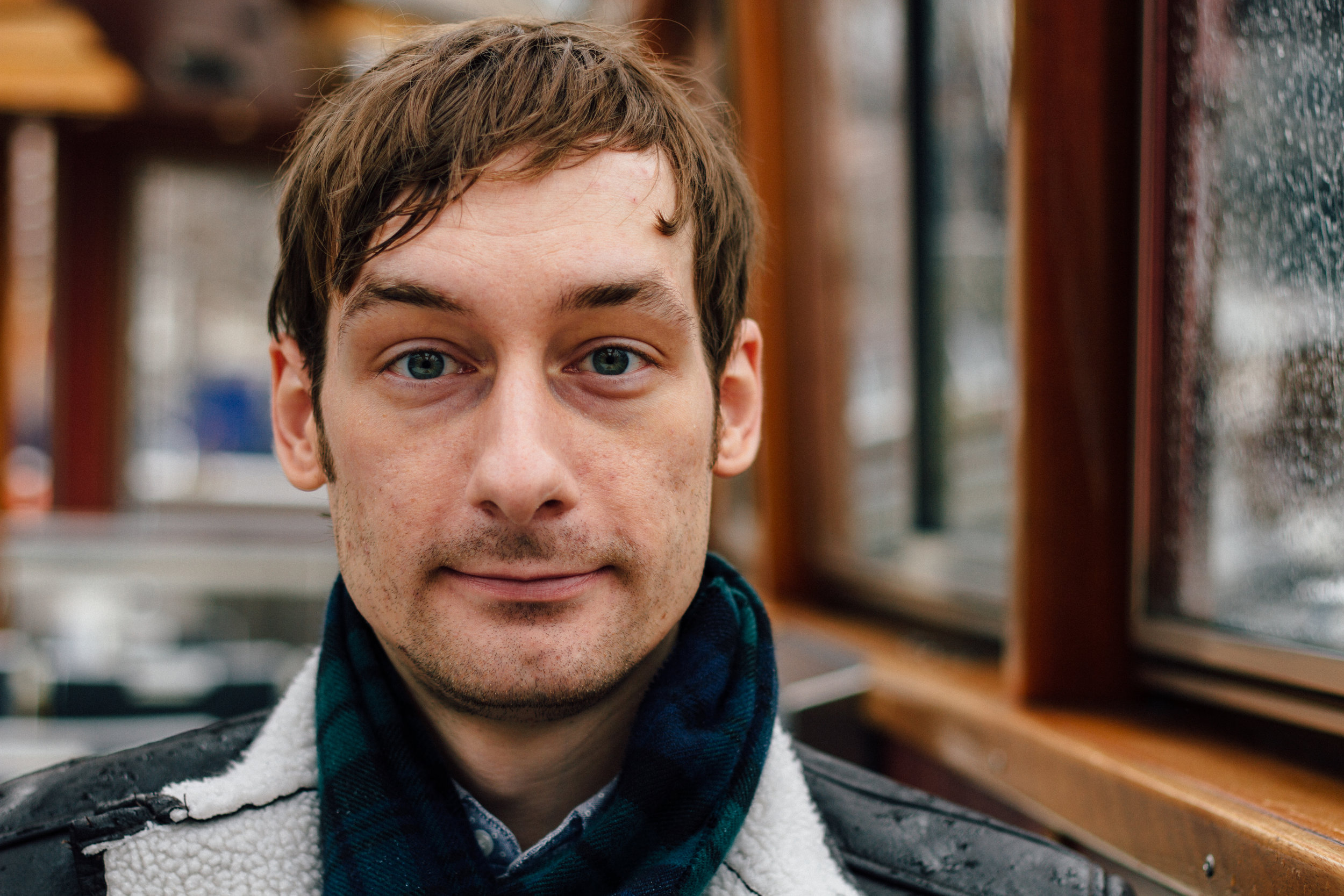


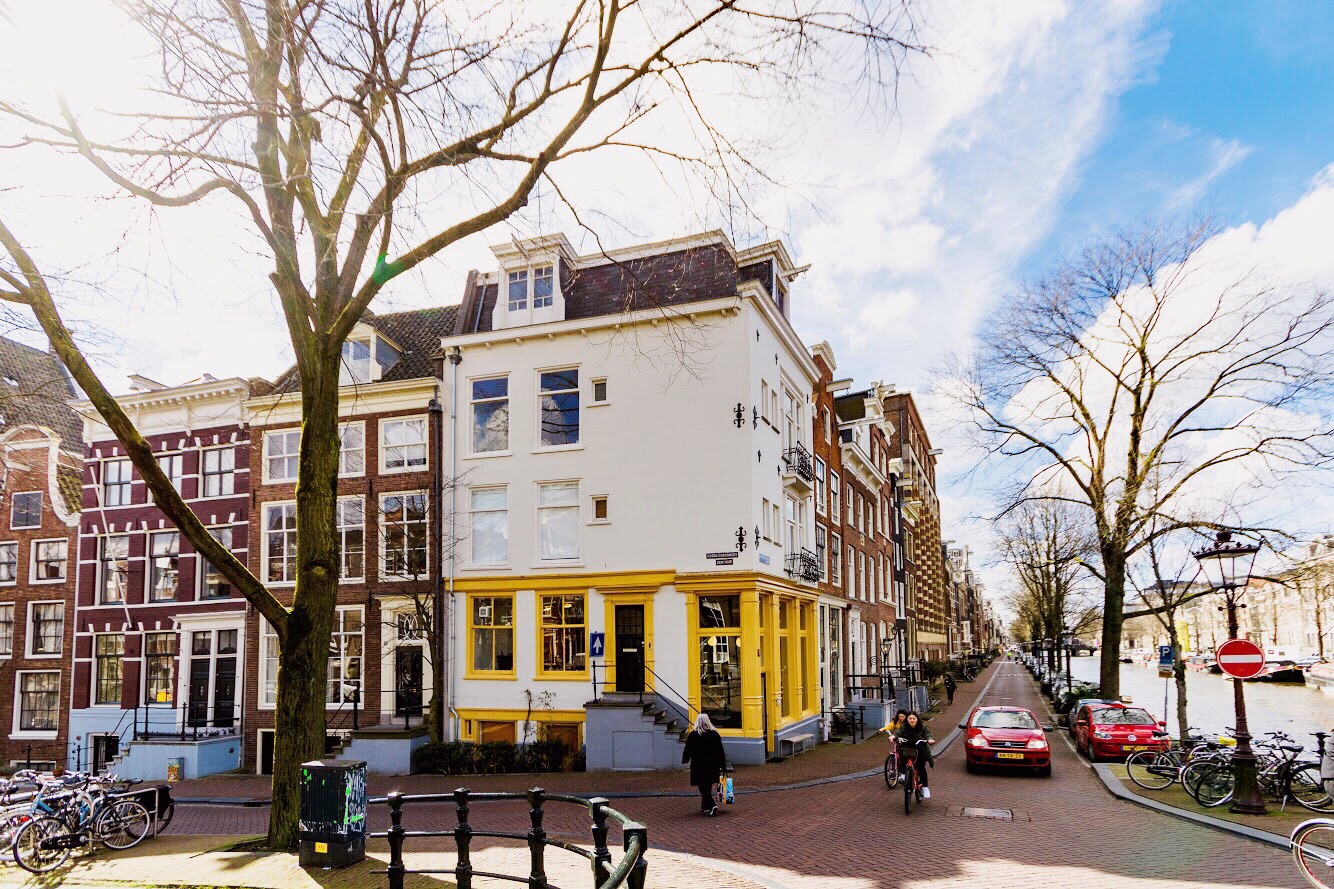
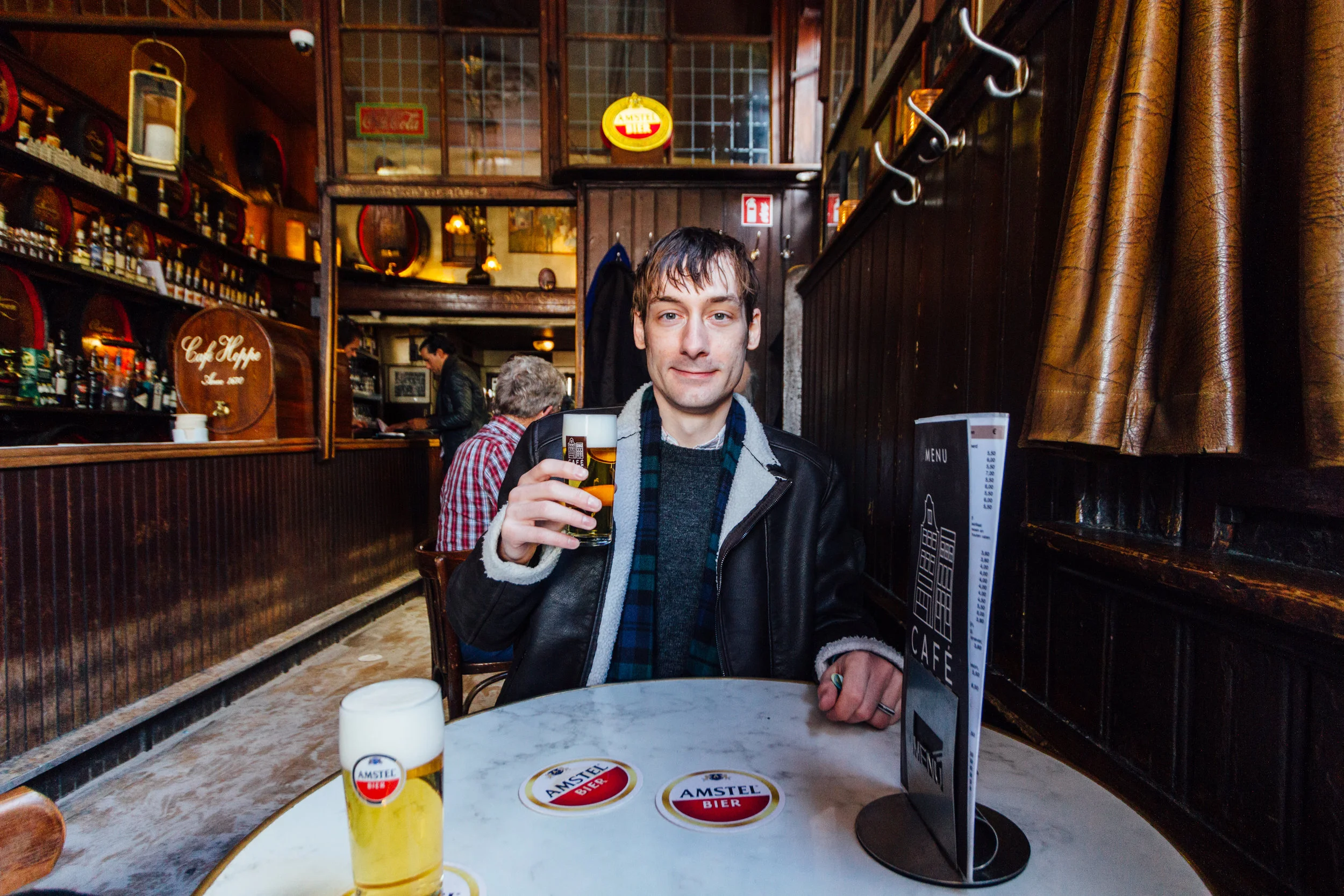
Turns out, I’m a huge fan of Dutch food. I’d gorge myself on bitterballen [pictured below] any day of the week. Deep fried potato? Yes please.


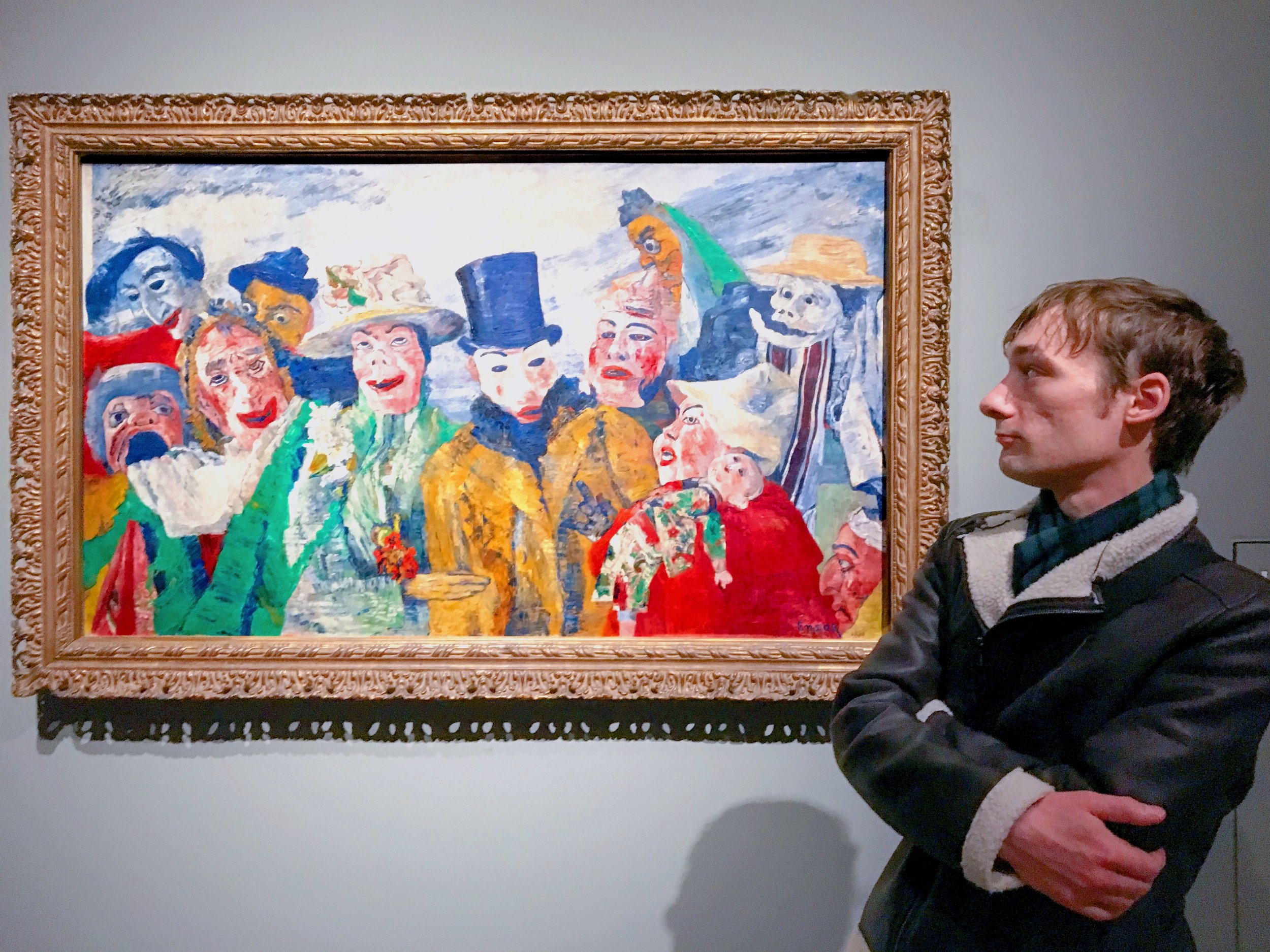
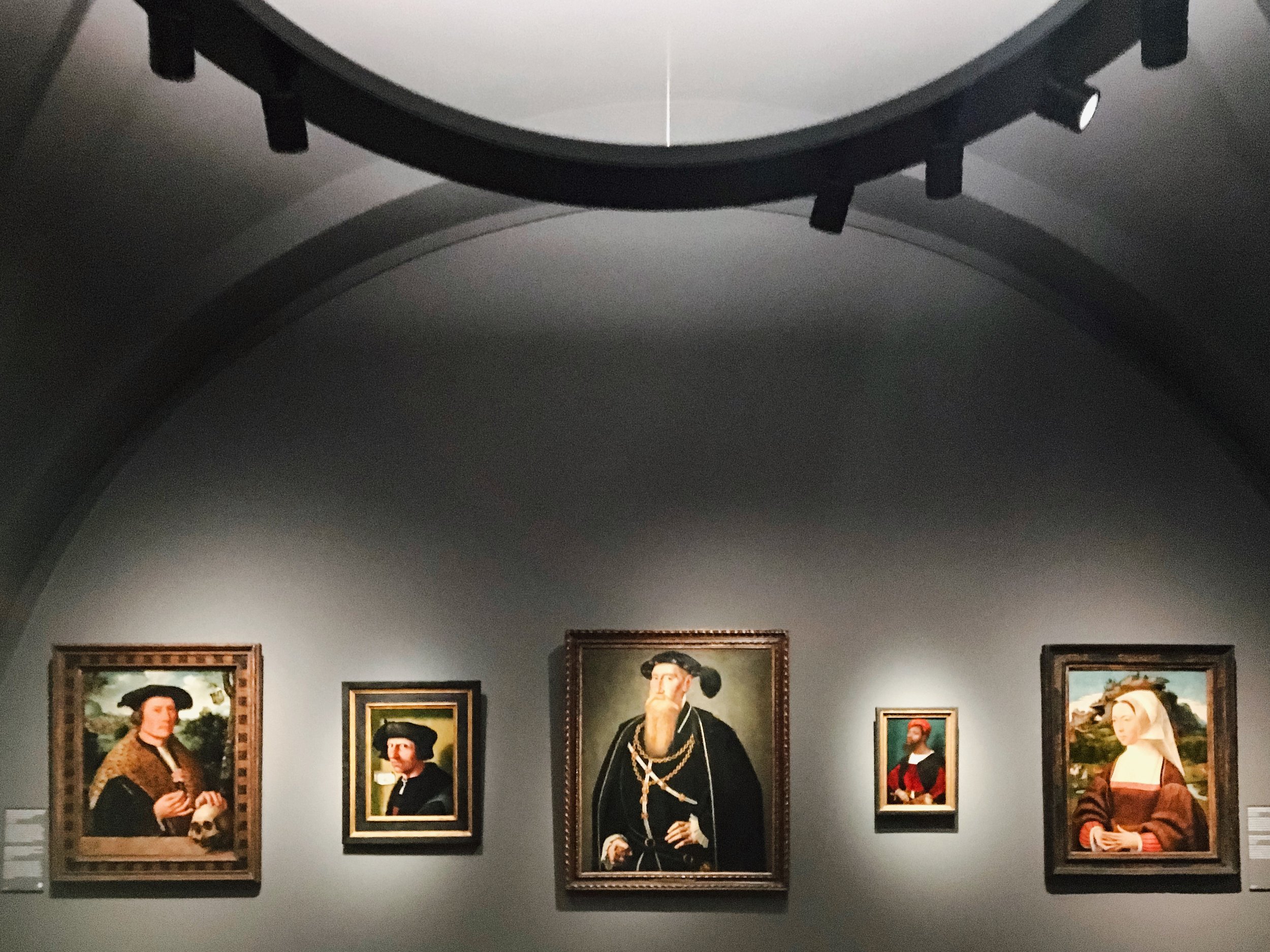
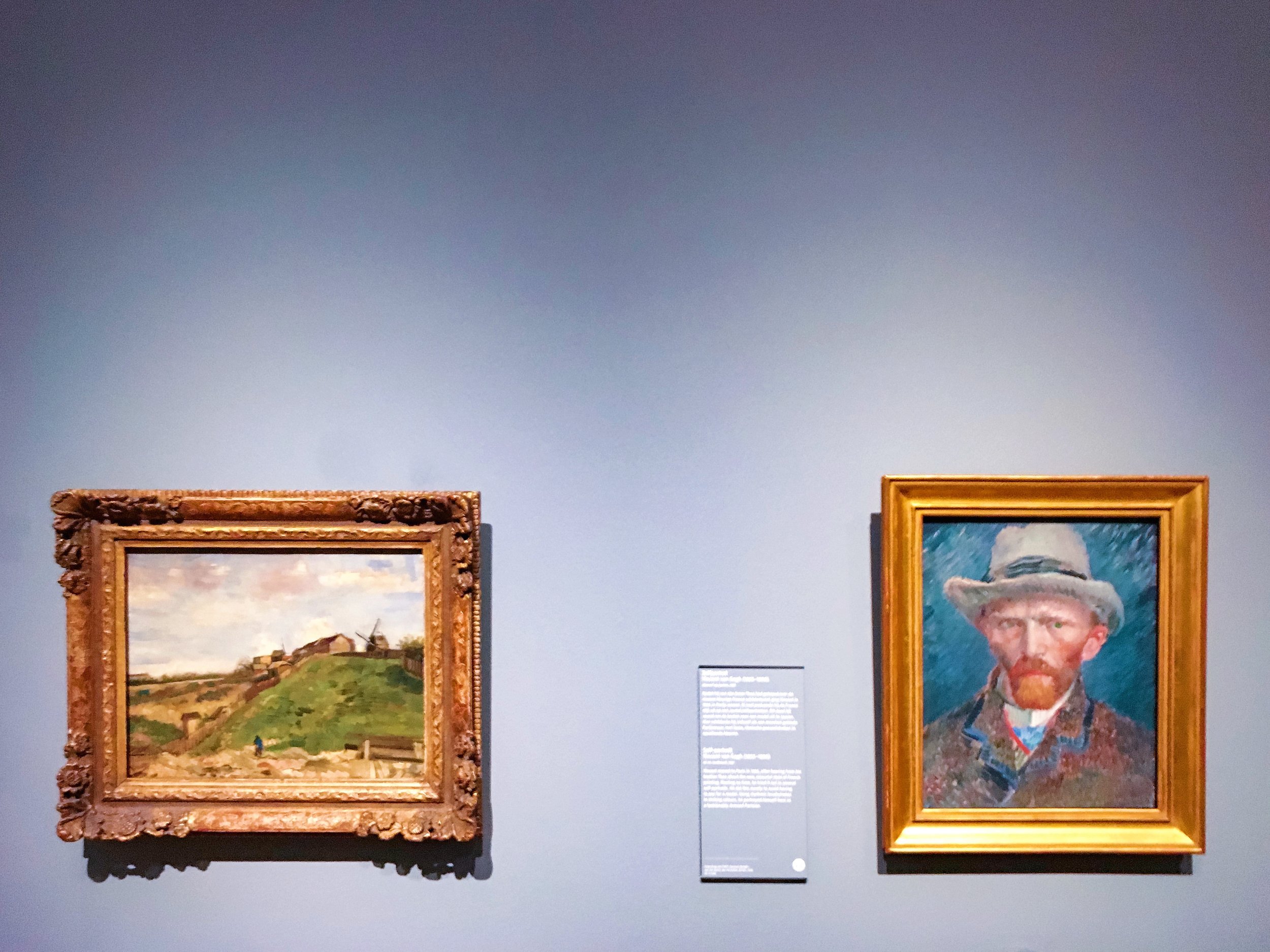


The couple of days we spent in Amsterdam were not nearly enough and I can’t wait to go back.


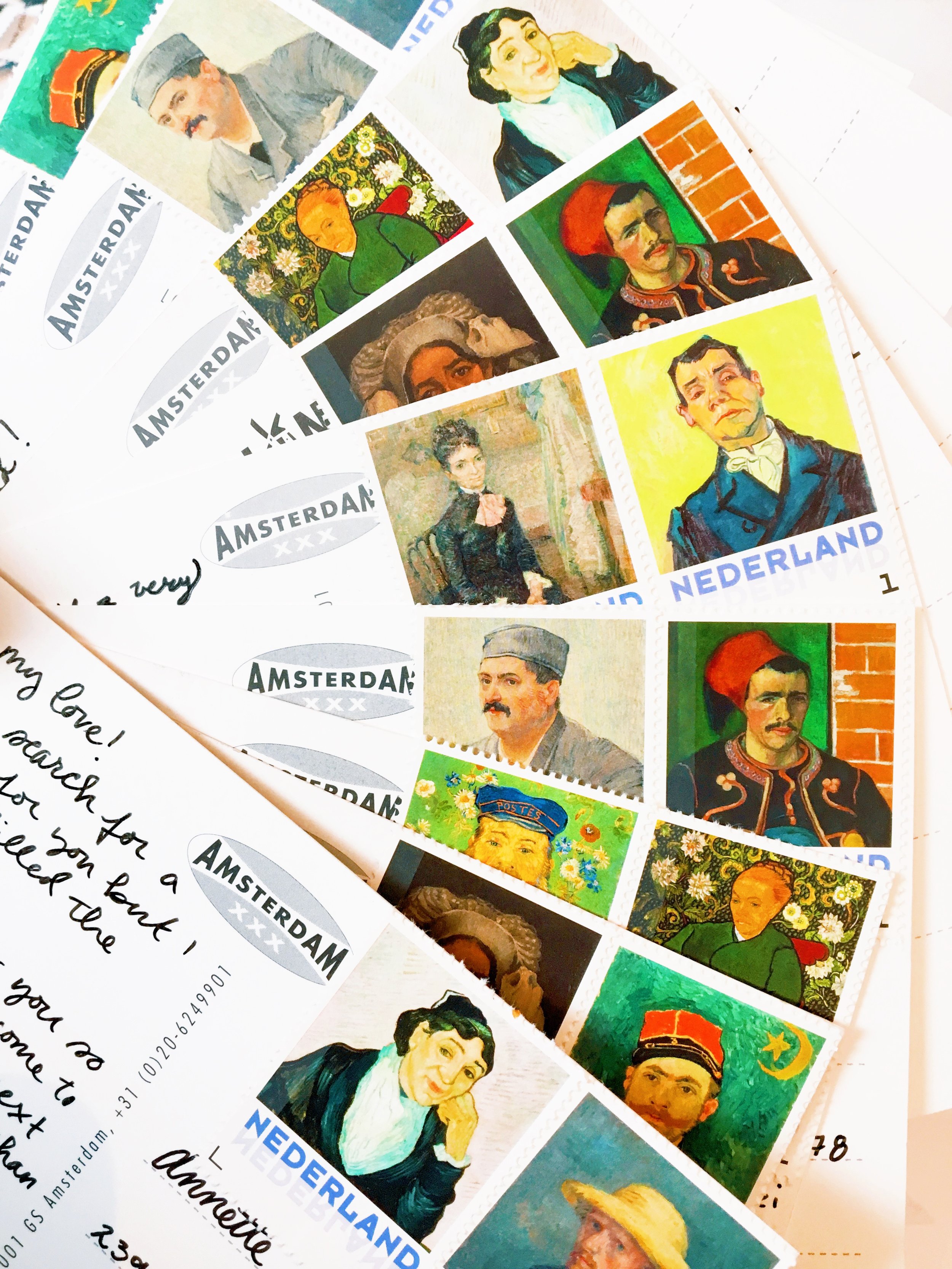

Honeymoon | Edinburgh, UK
Traveling back to where we met on the first stop of our honeymoon.

EDINBURGH, SCOTLAND
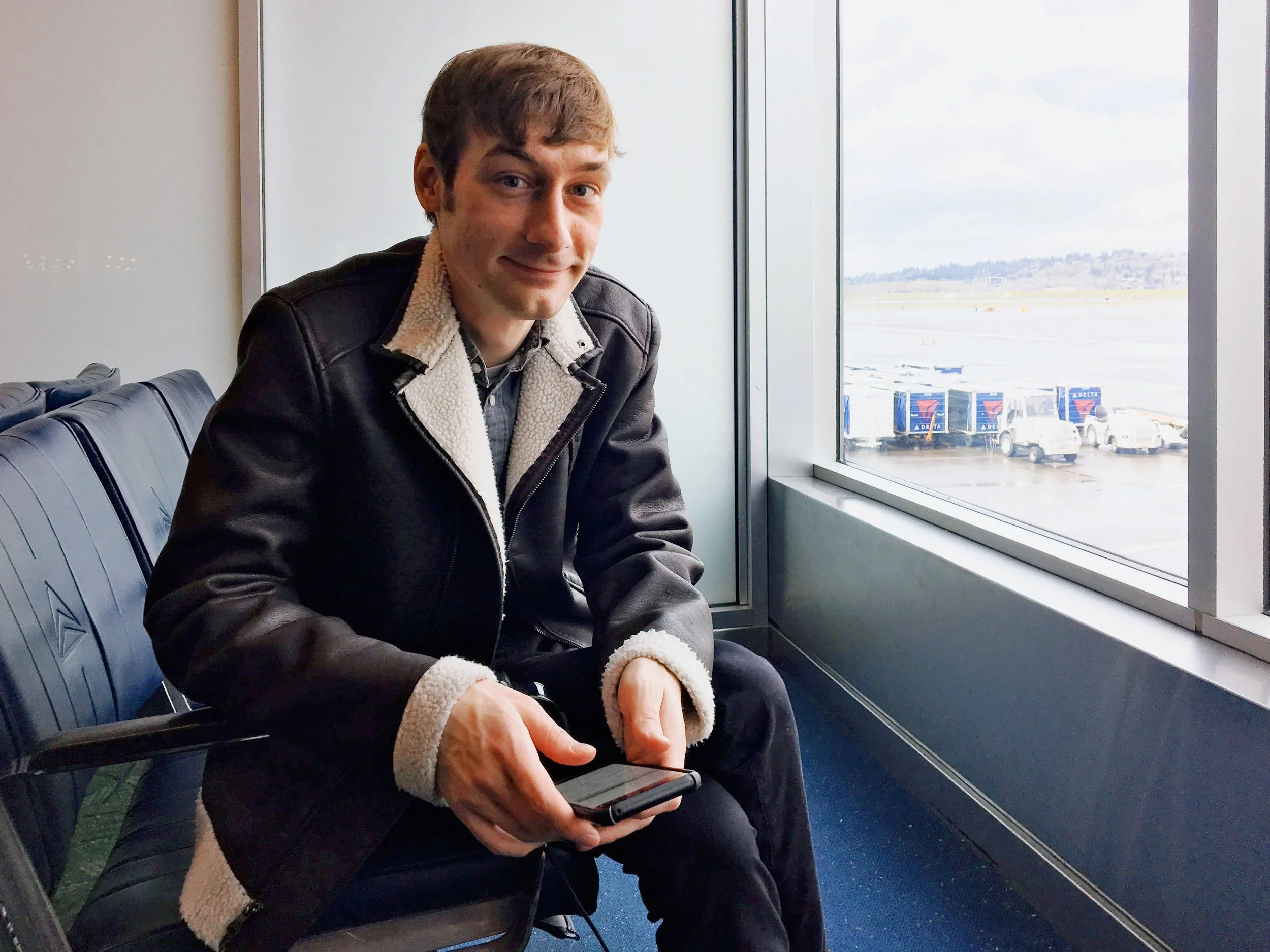
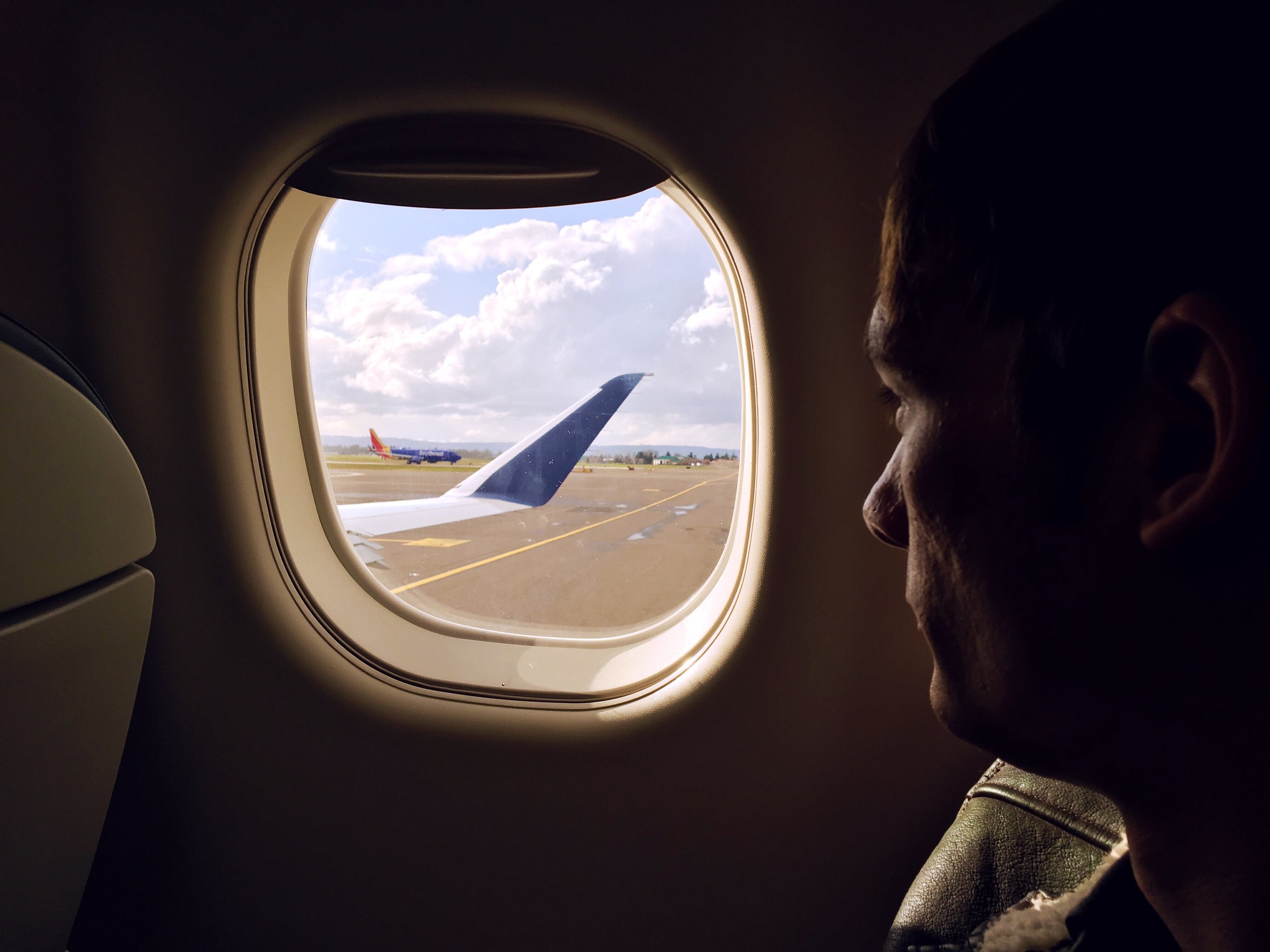
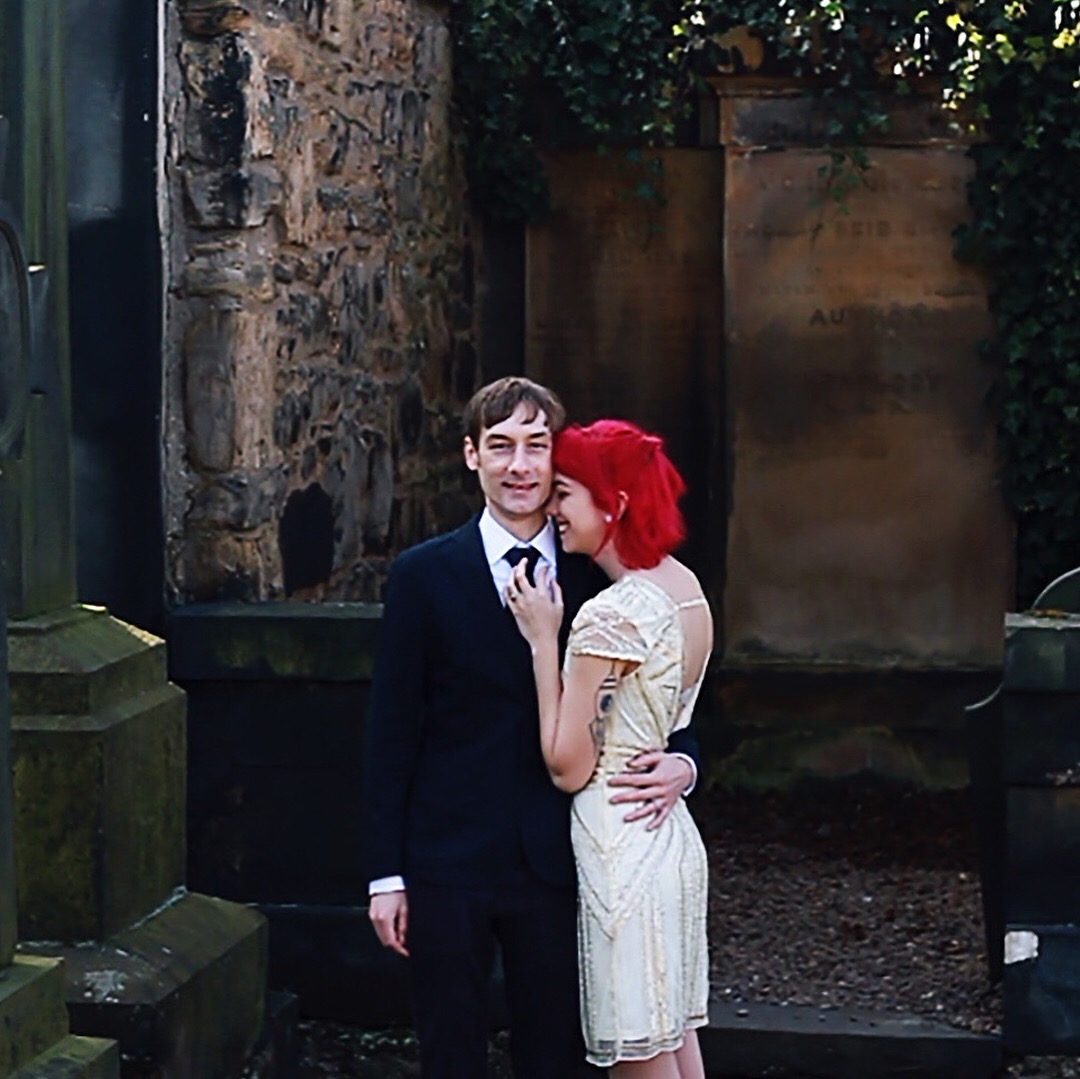
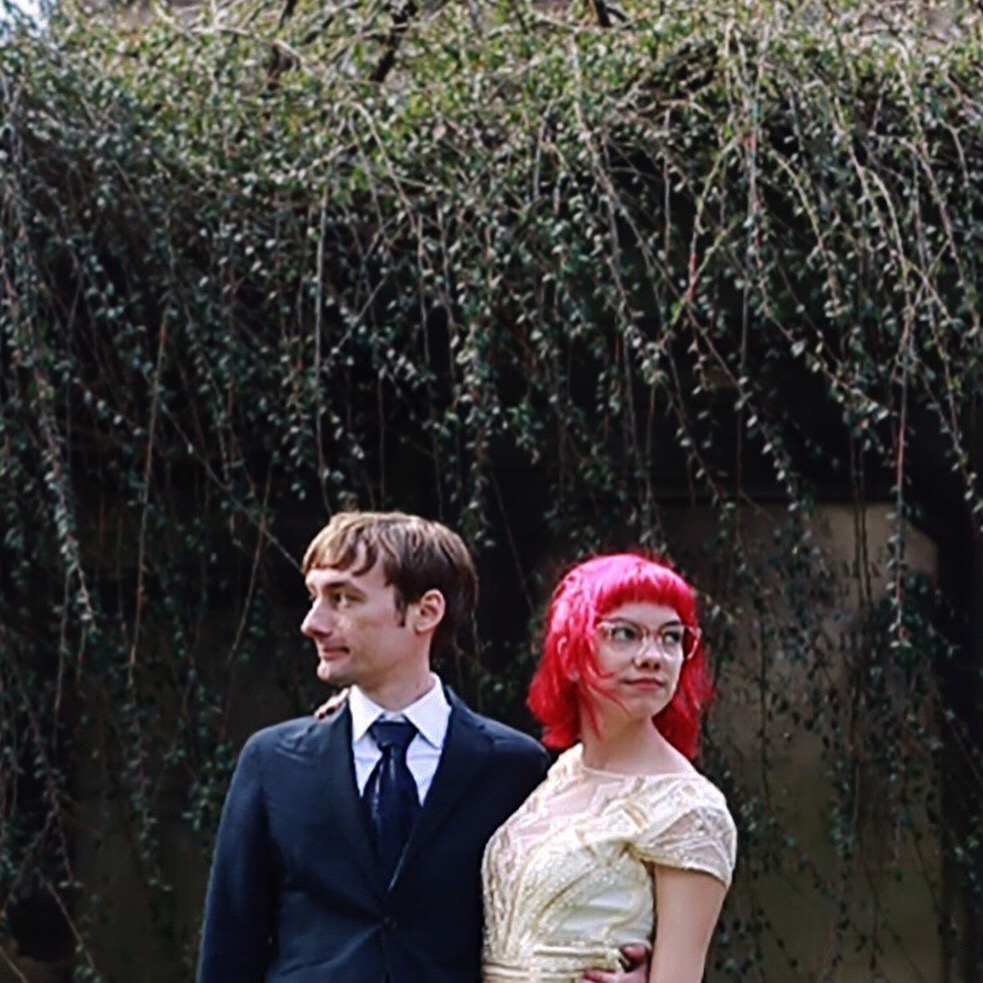
For the uninitiated, Alex and I met while studying abroad at The University of Edinburgh all the way back in 2011. At the time, we were bleary eyed literature students who desperately wanted an escape from our everyday lives. I think it’s safe to say that in each other, we found something new and exciting - a partner whose ideal life paralleled with our own. Eight years, five homes, and one courthouse elopement later, we decided we should return to the place where everything began. Our honeymoon started in Edinburgh.
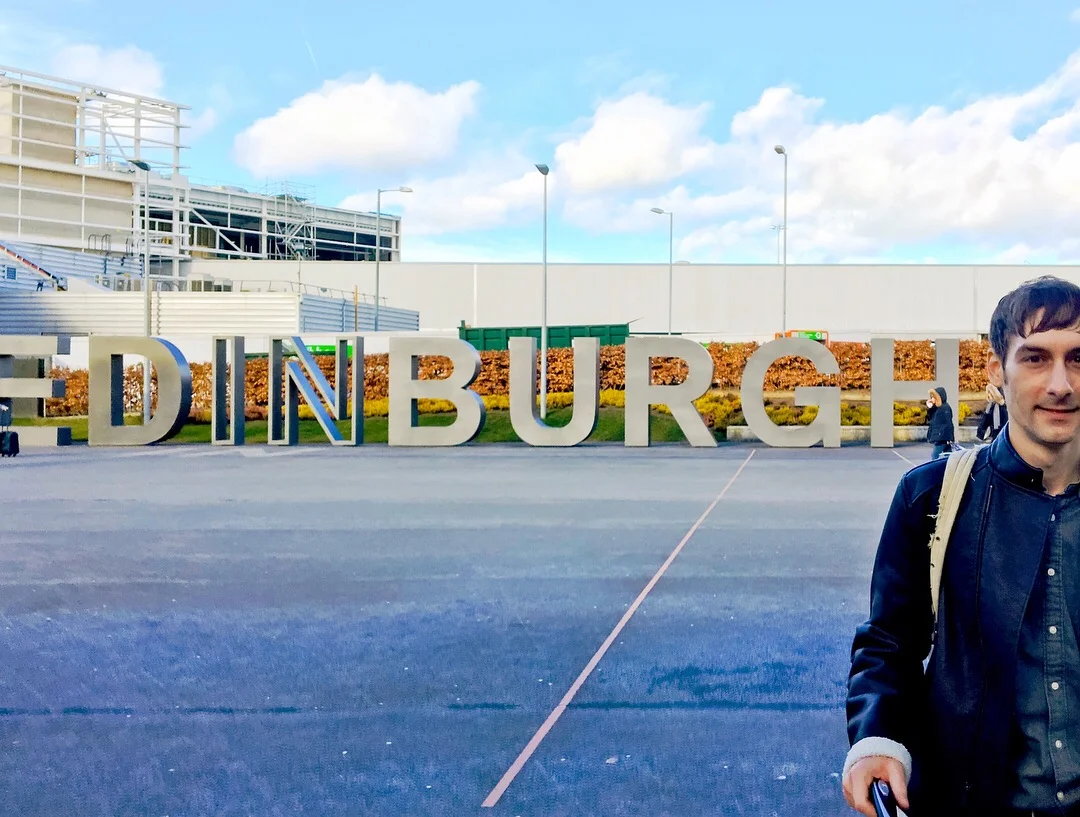
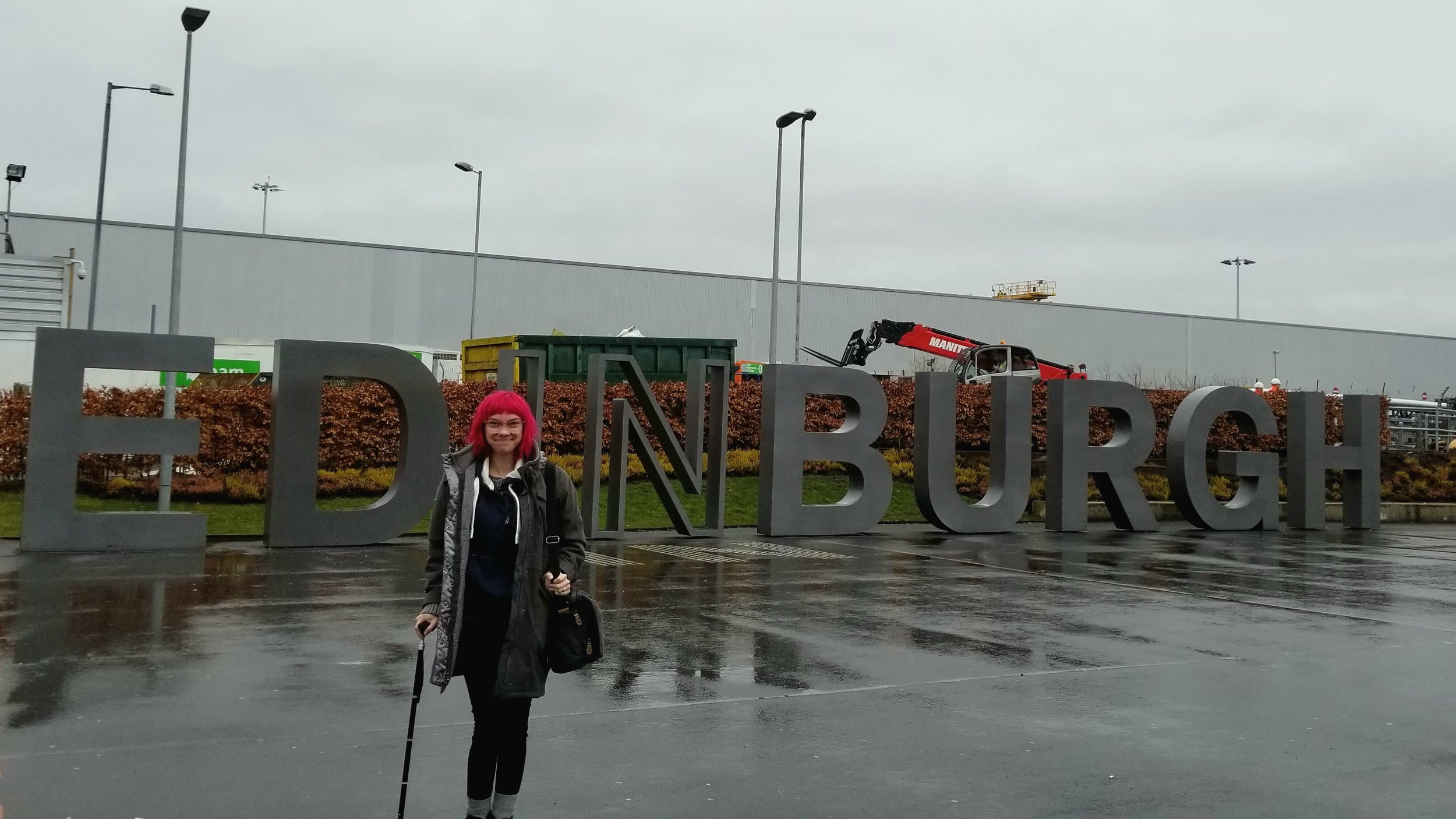
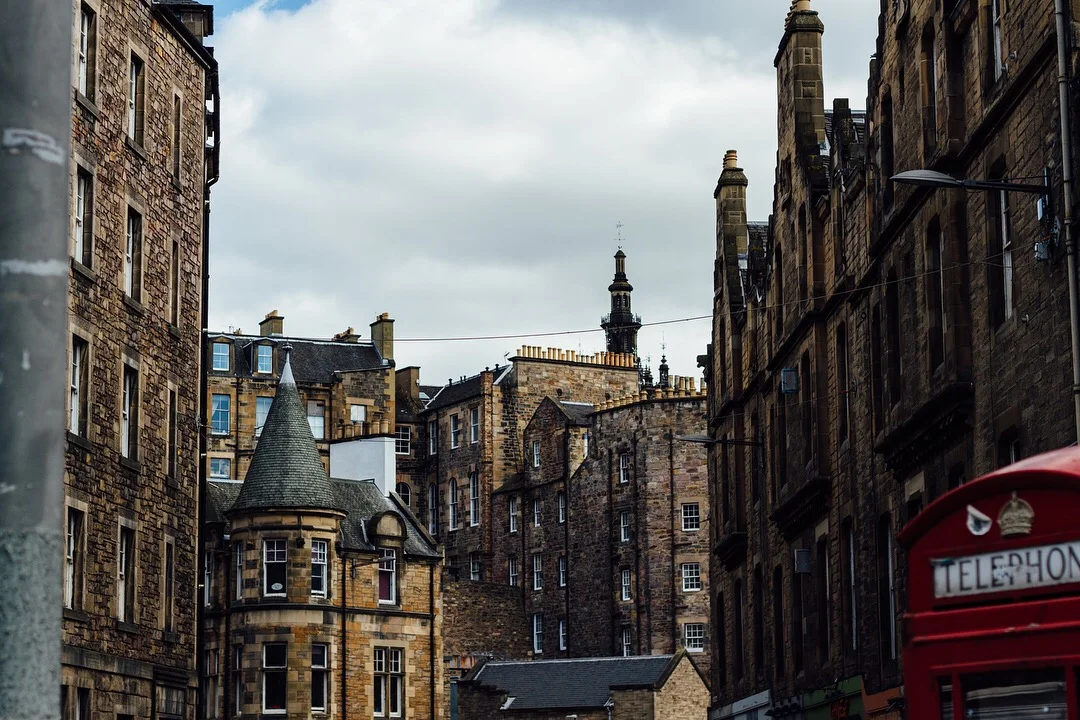

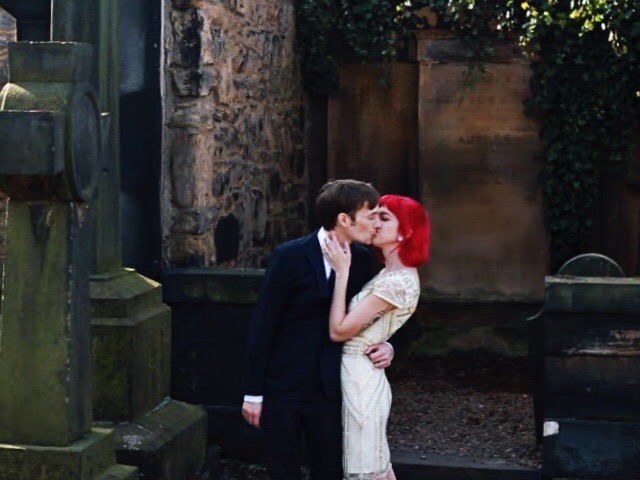
We spent a day wandering around the city, hitting our favorite haunts, and attempting to take our own wedding photos. Long story short, I had accidentally changed a setting in my camera that I didn’t find until it was too late and most (luckily, not all) of the photos from that day are in a tiiiiiiiiny resolution. We live and learn, I guess.
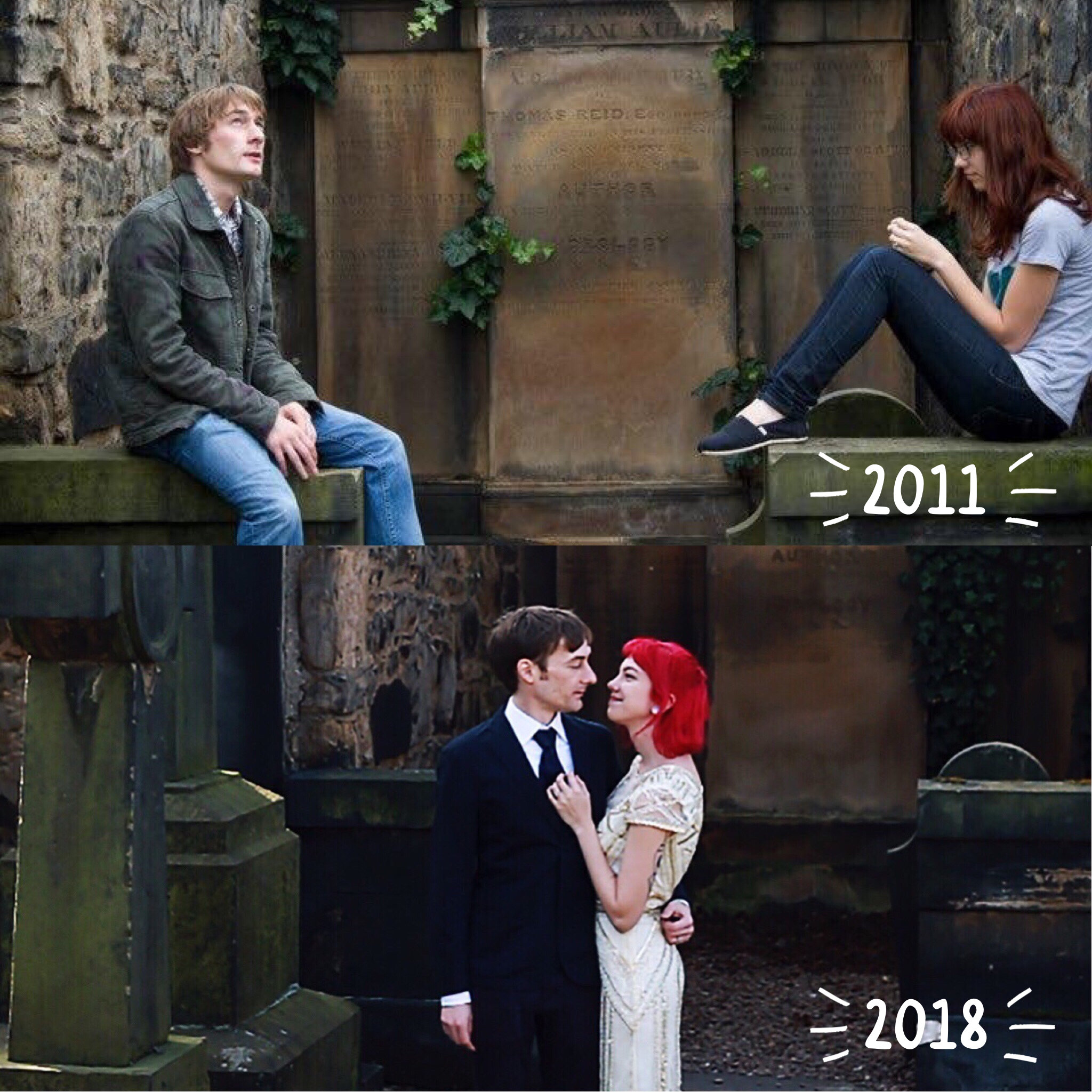
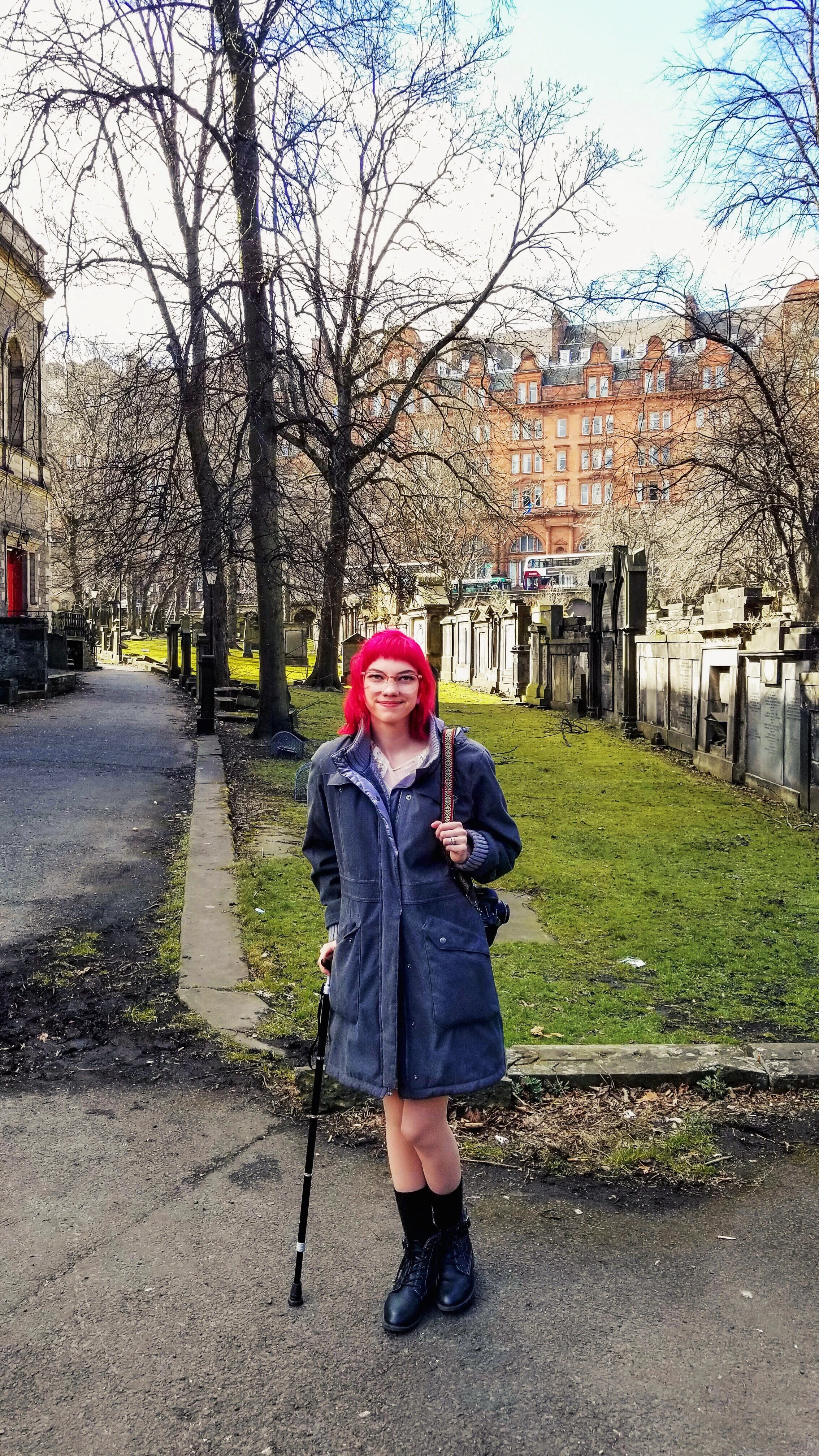
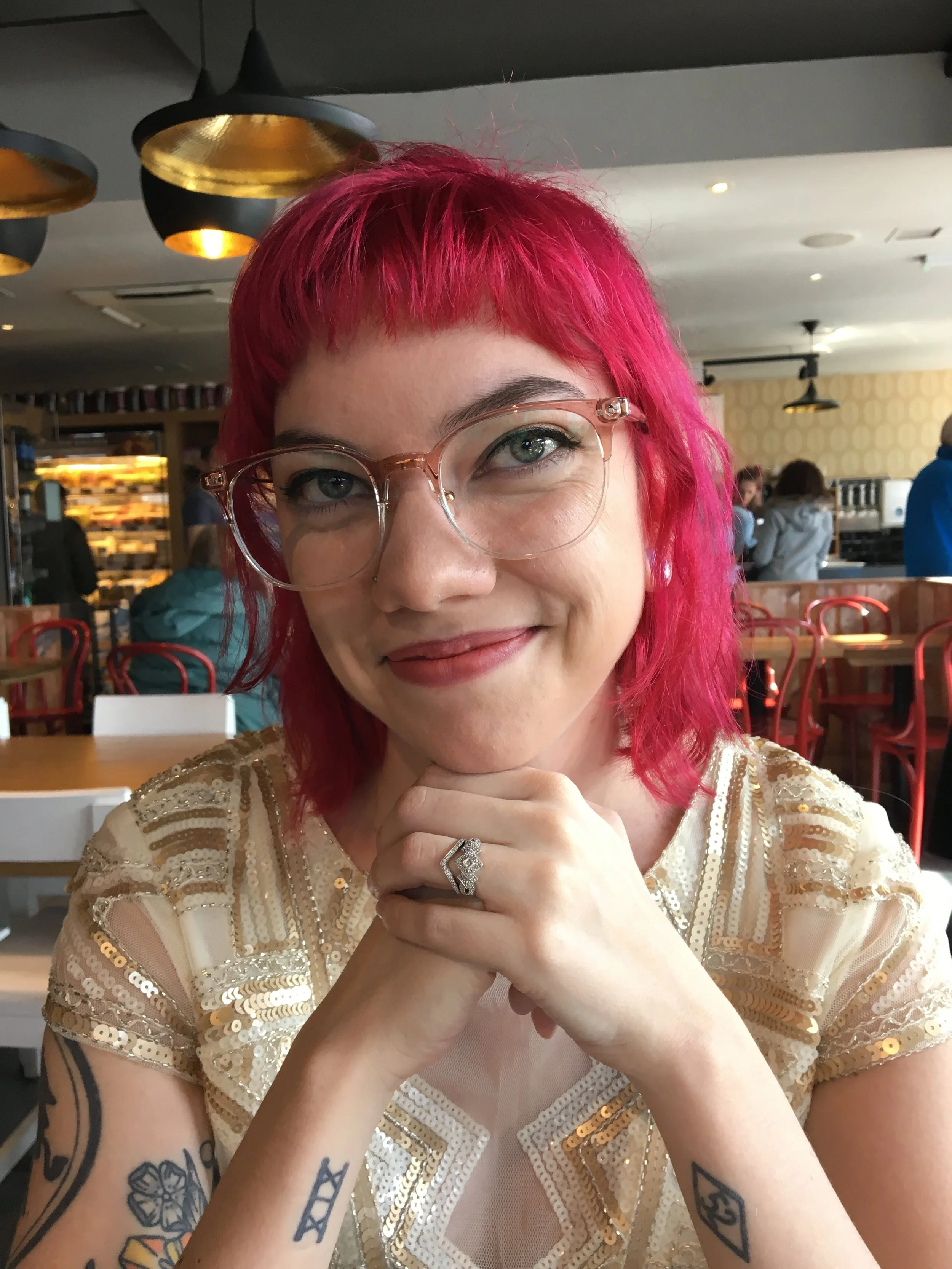
Alex and I took my favorite wedding photo in the same spot where we took one of our very first photos together. Calton Hill Cemetery will forever be one of my favorite spots.

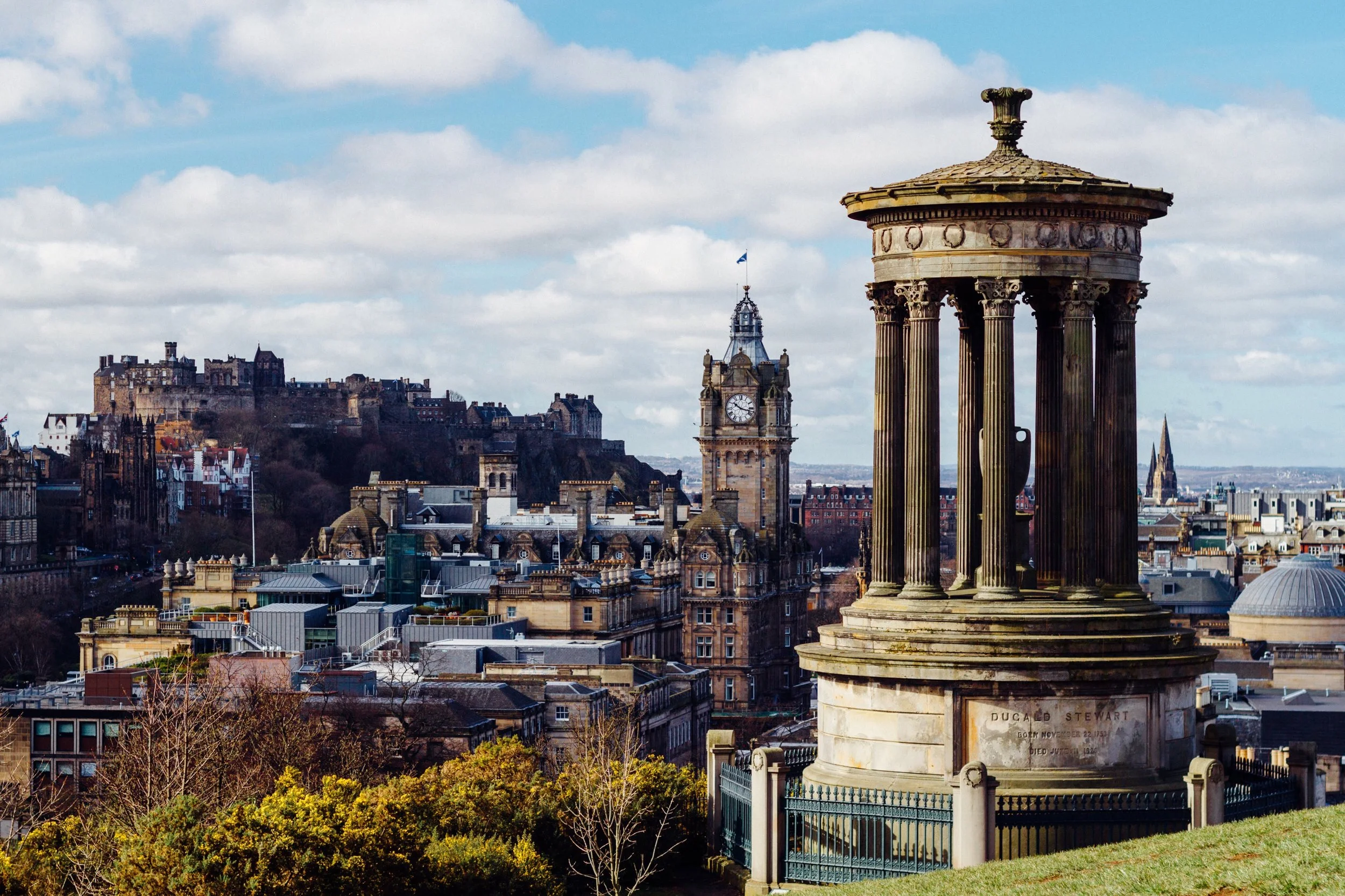

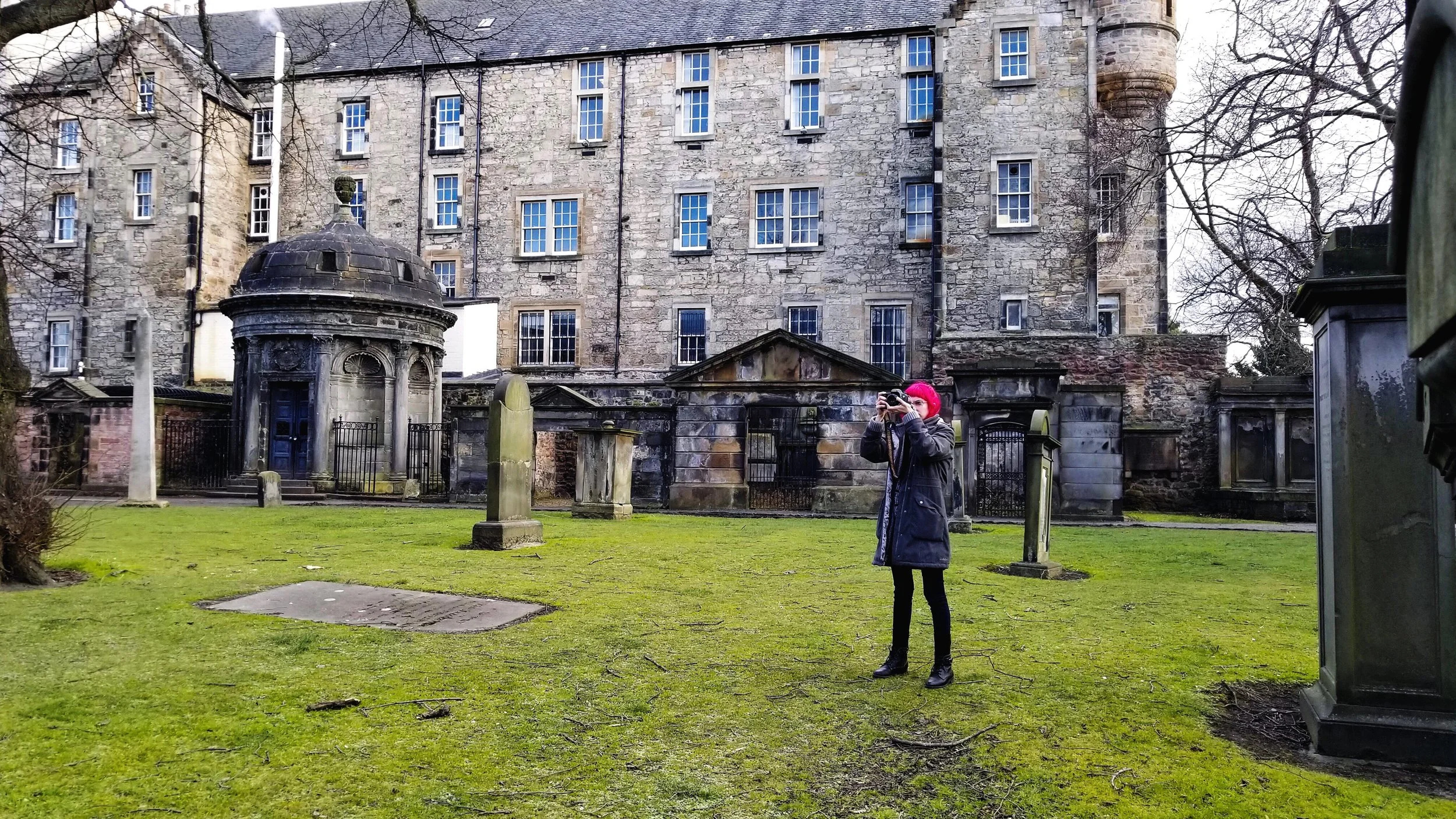





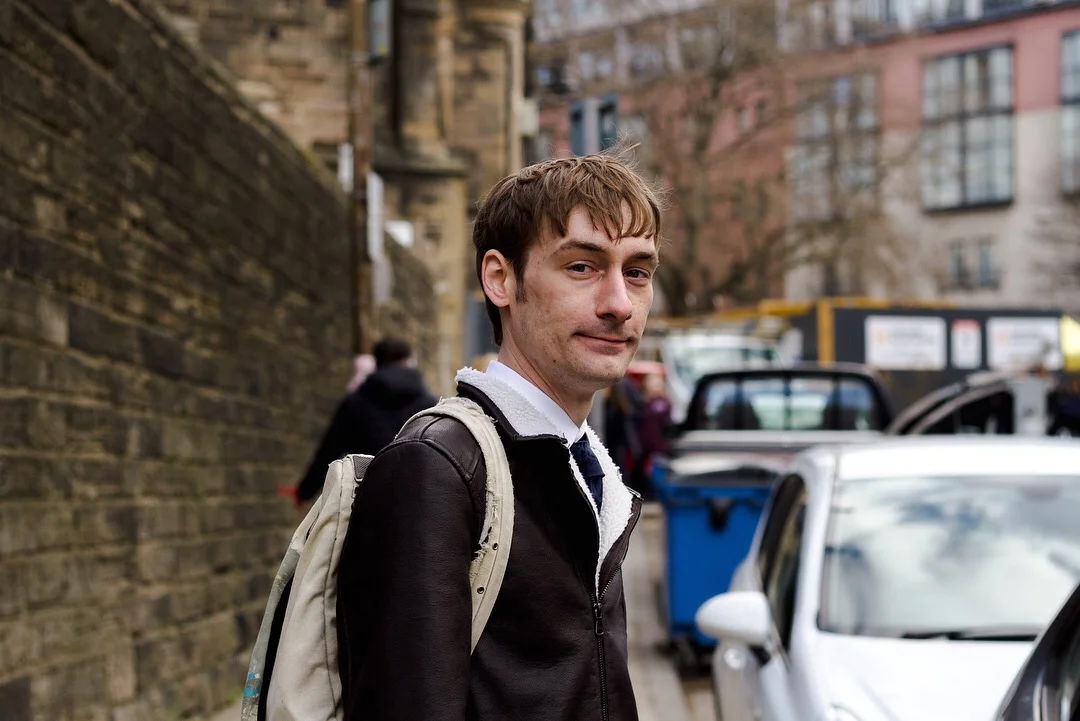


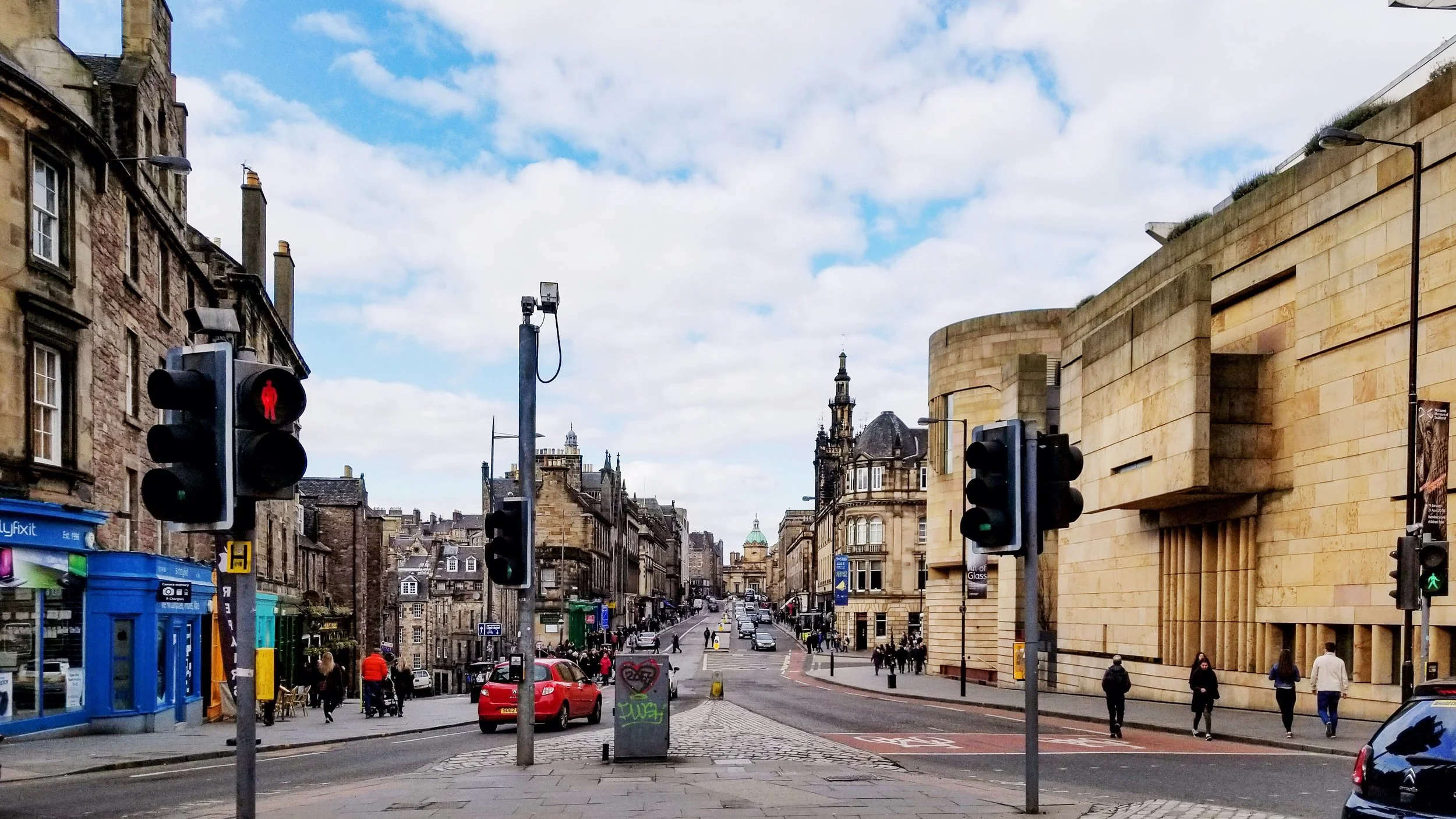
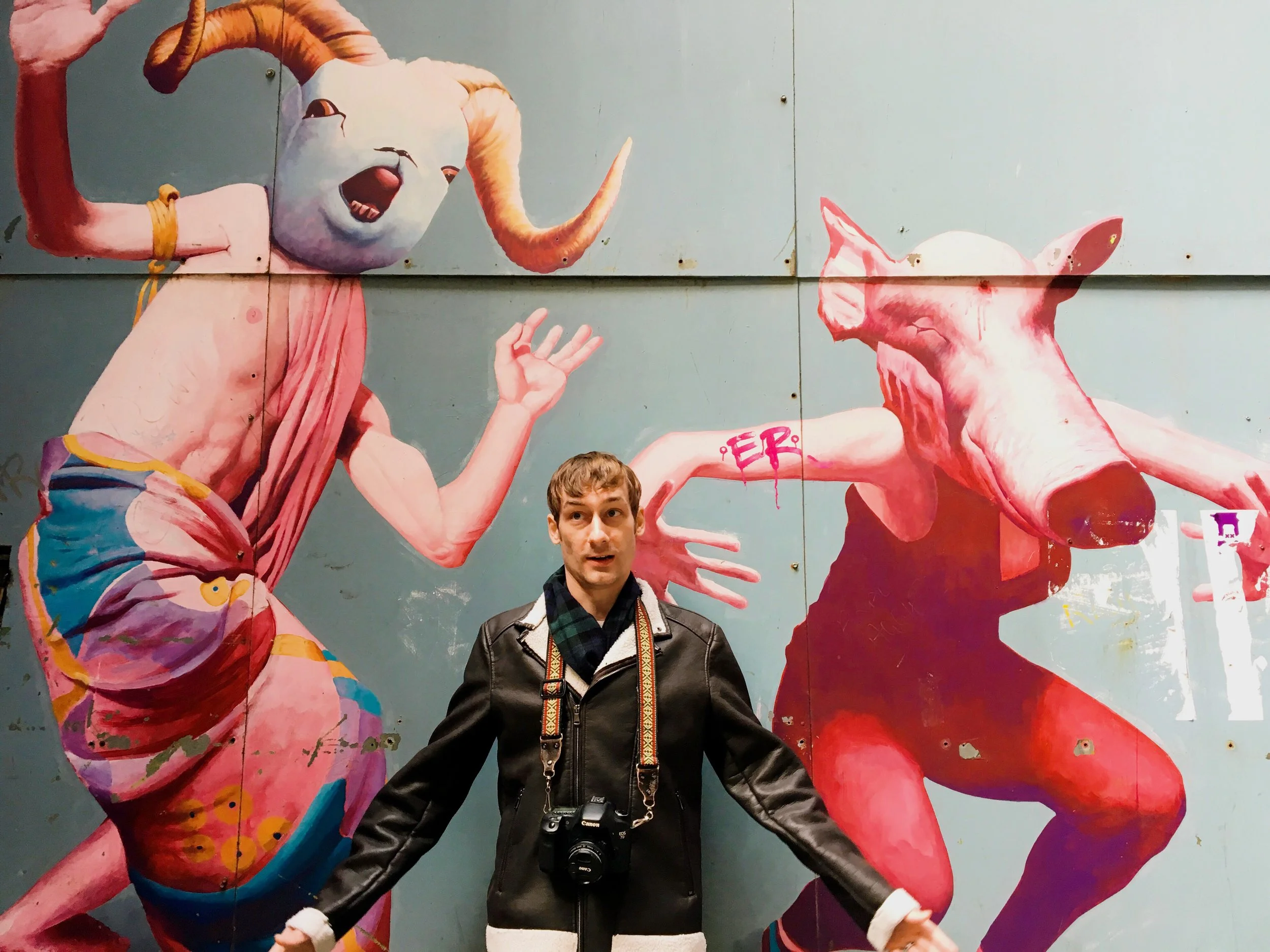
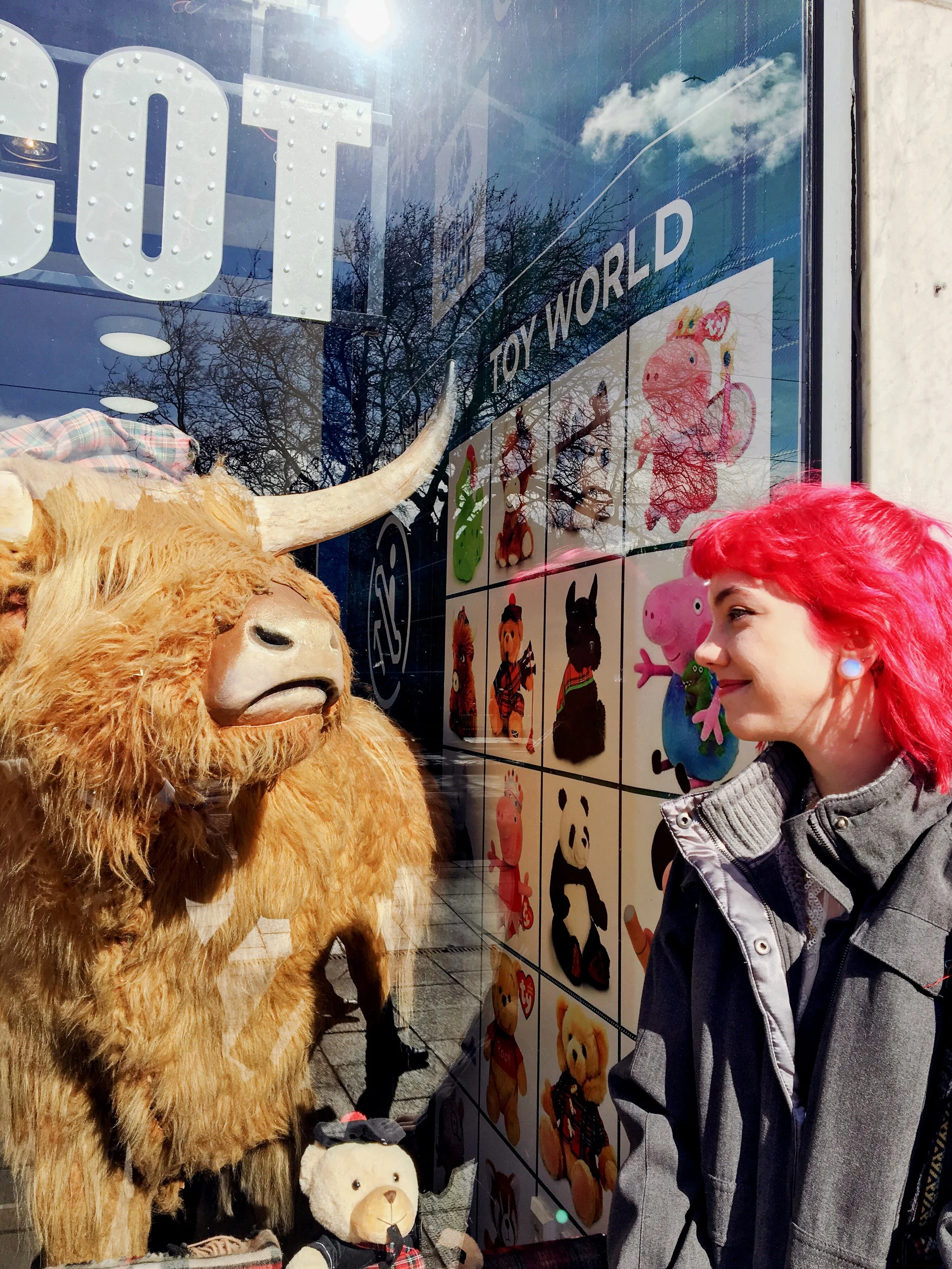

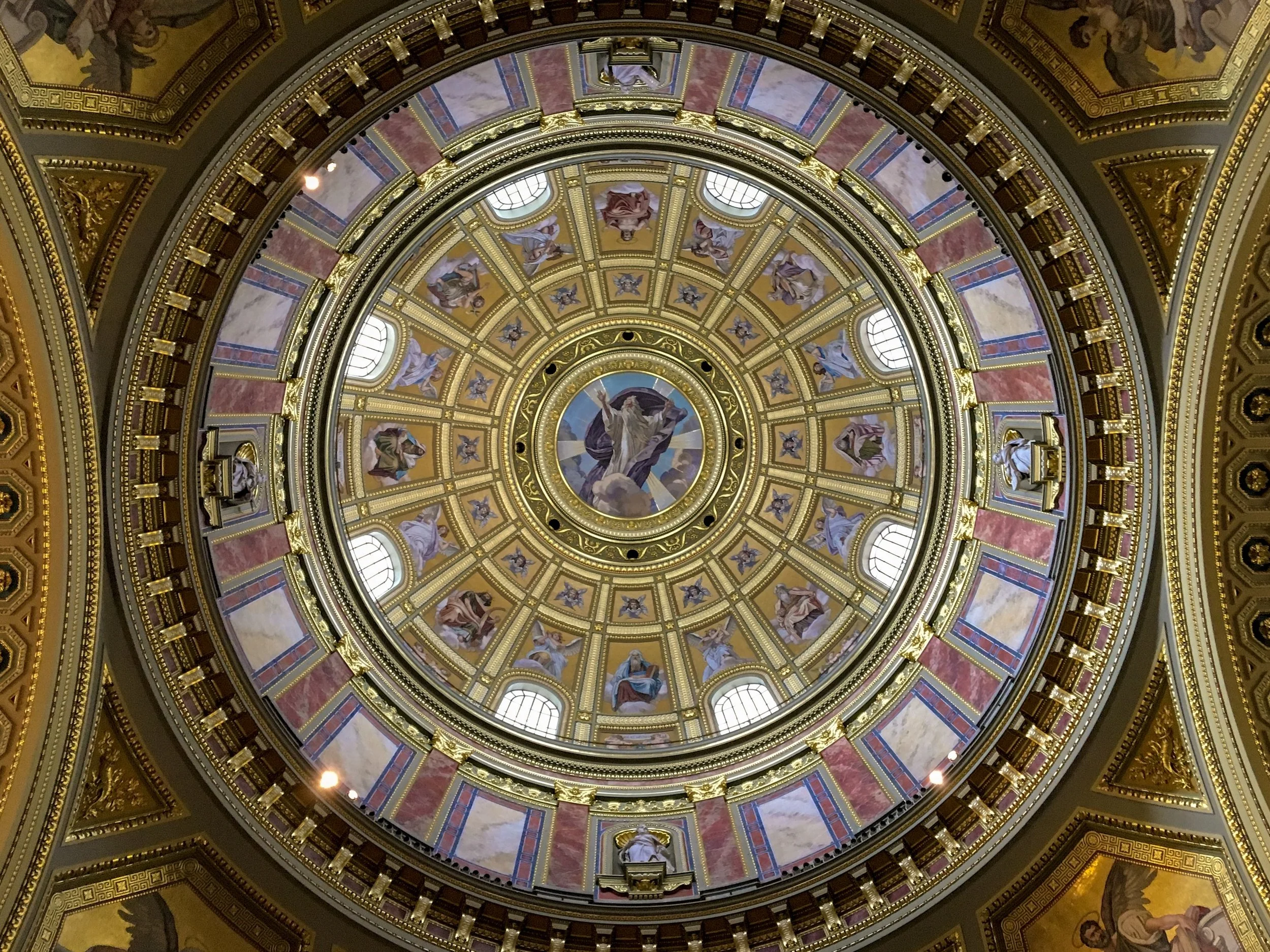
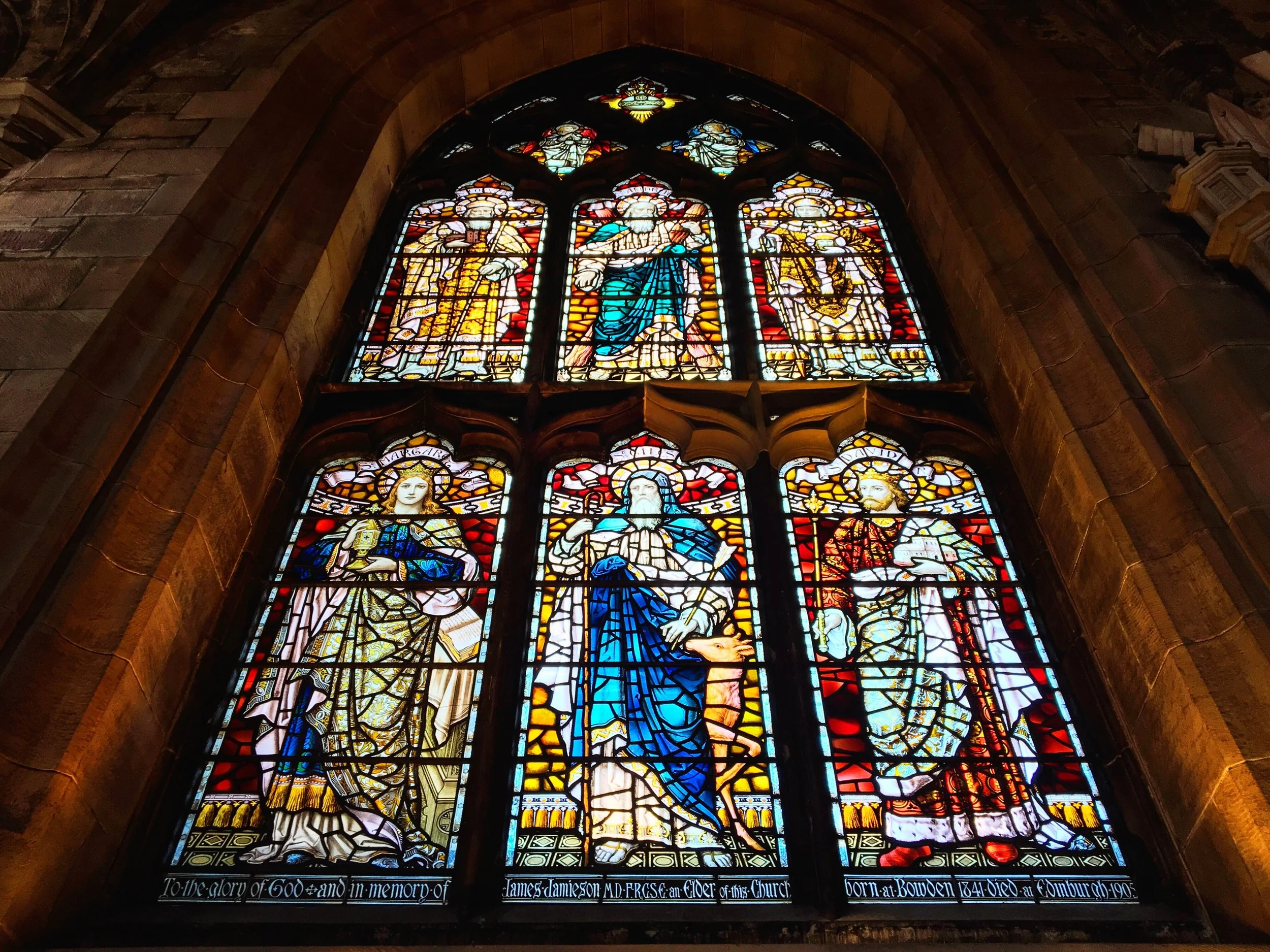
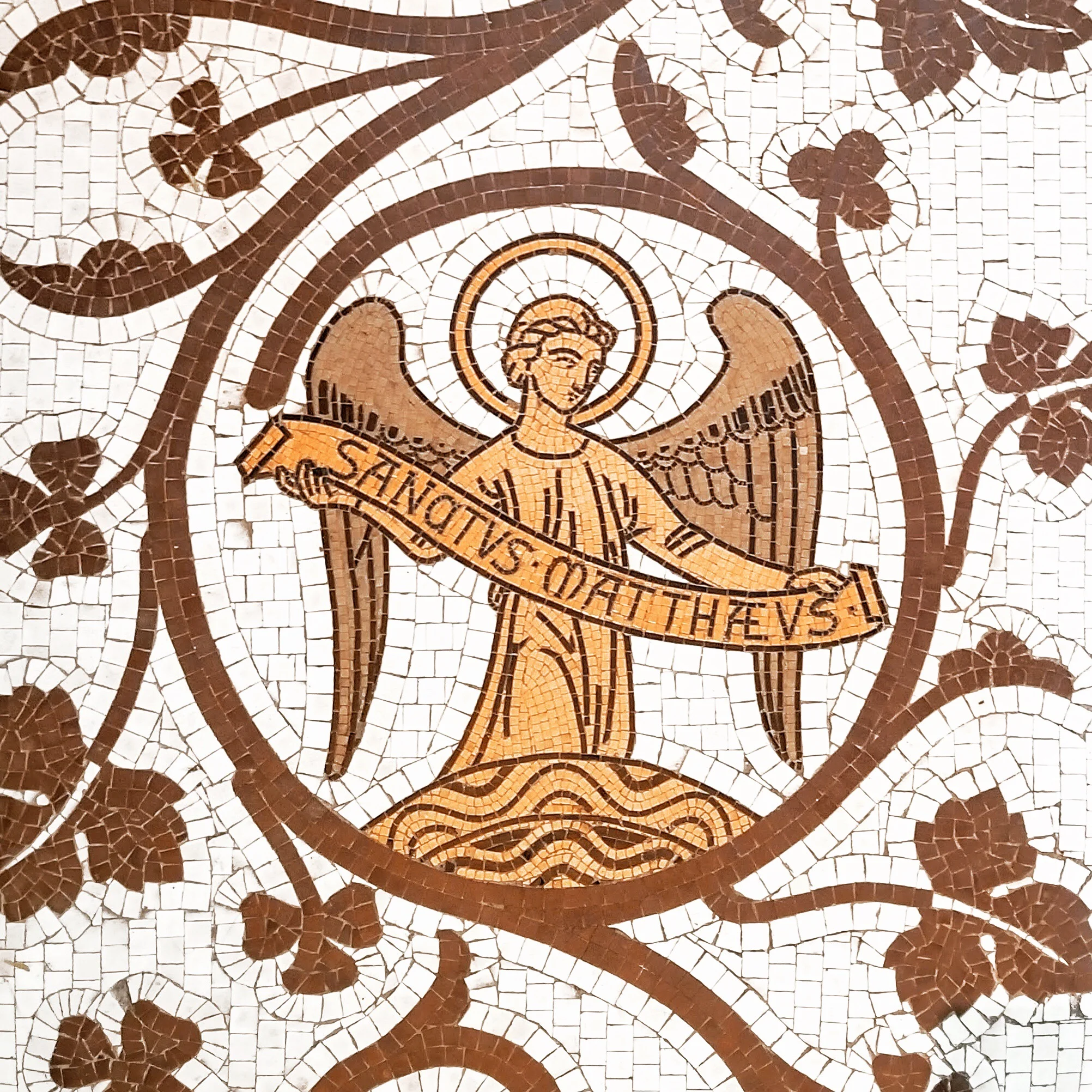
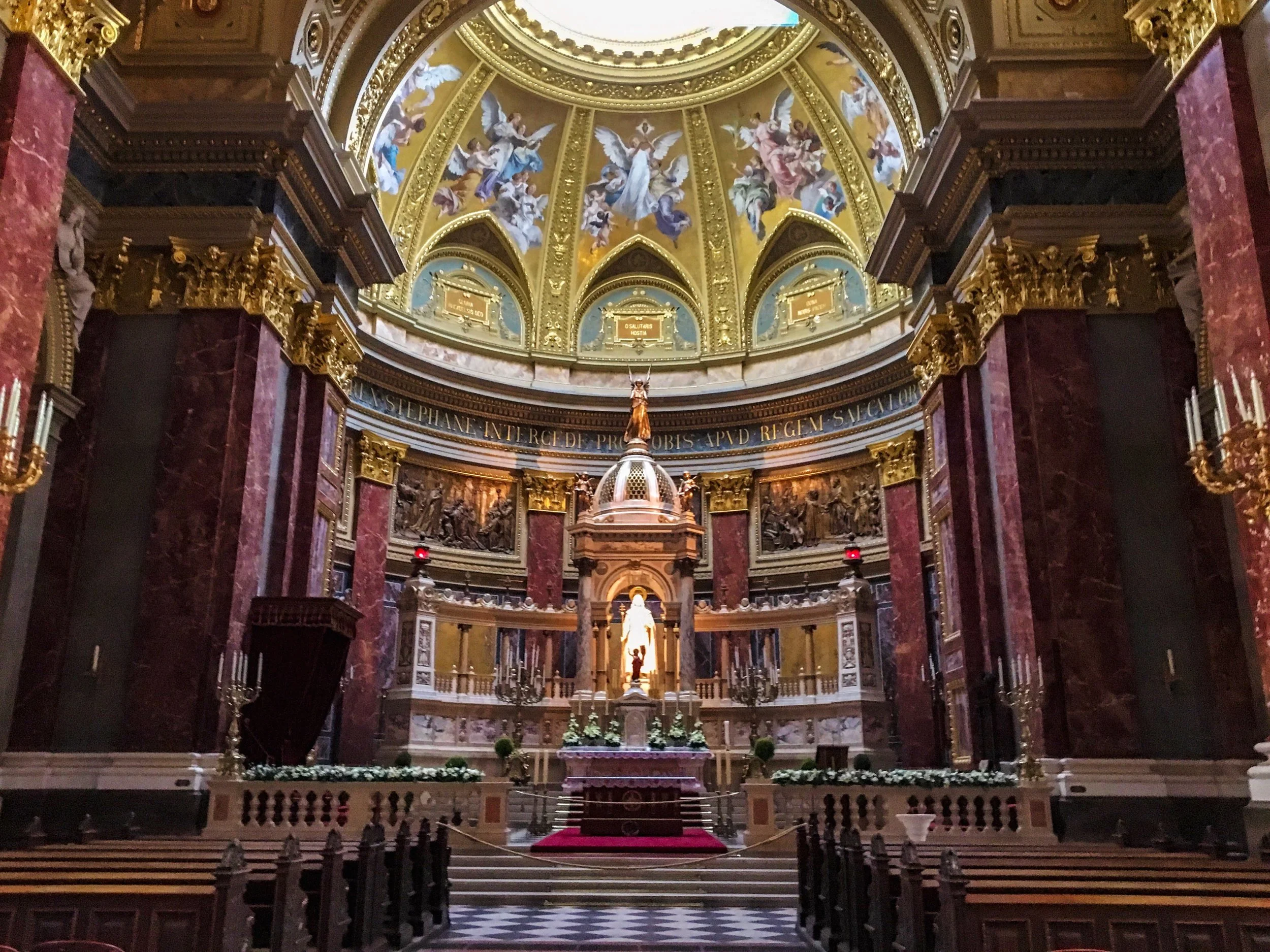
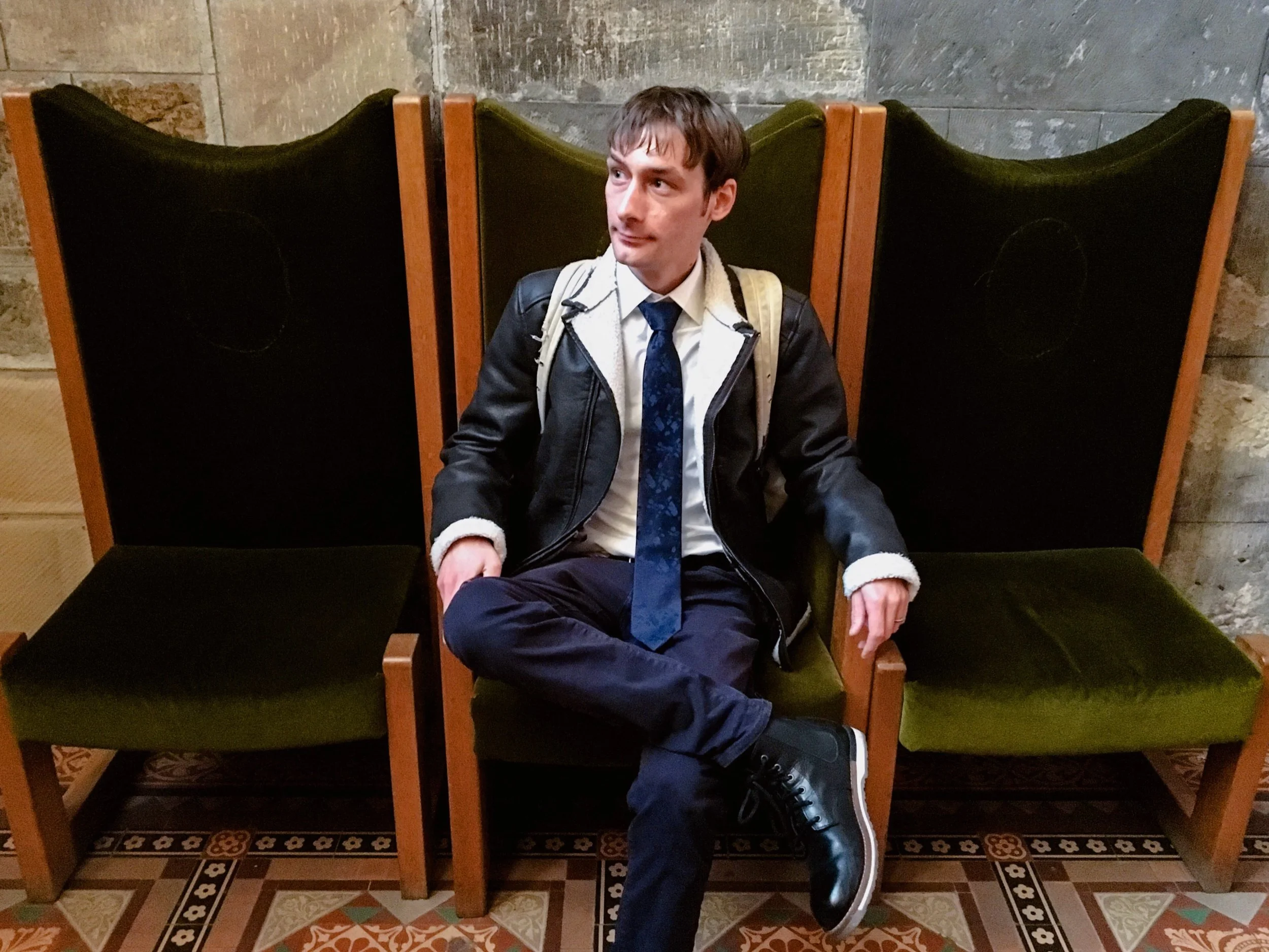
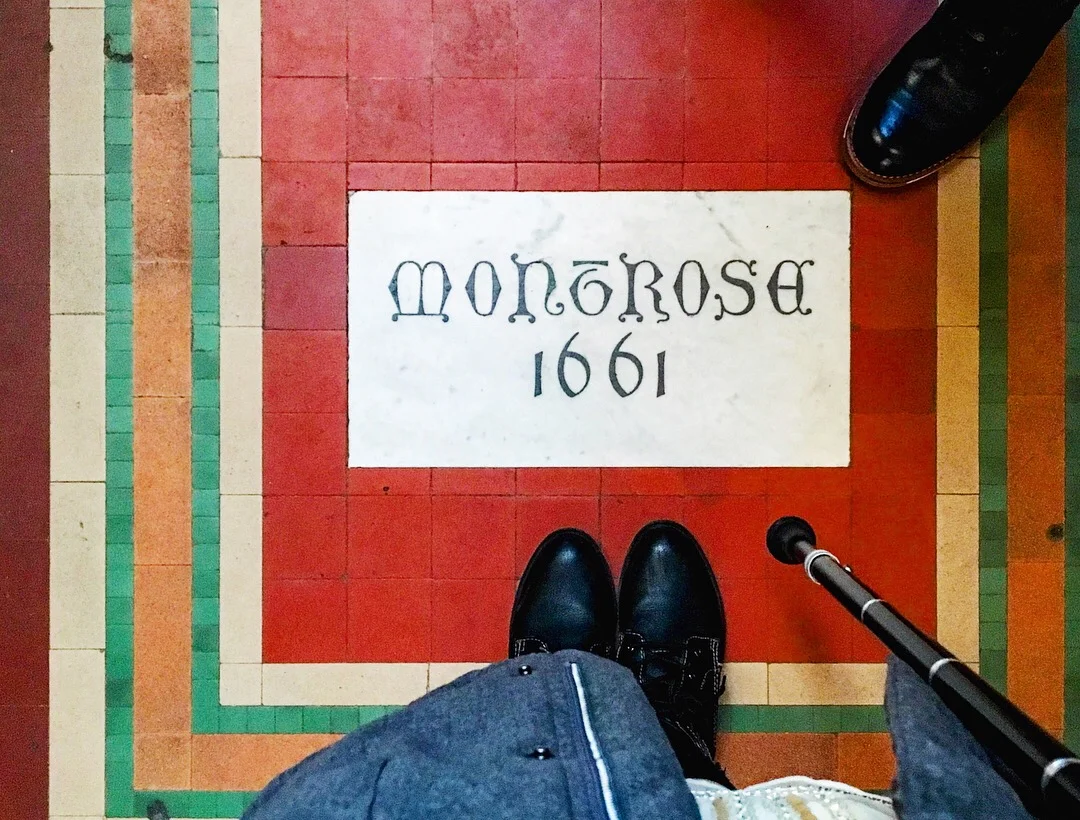
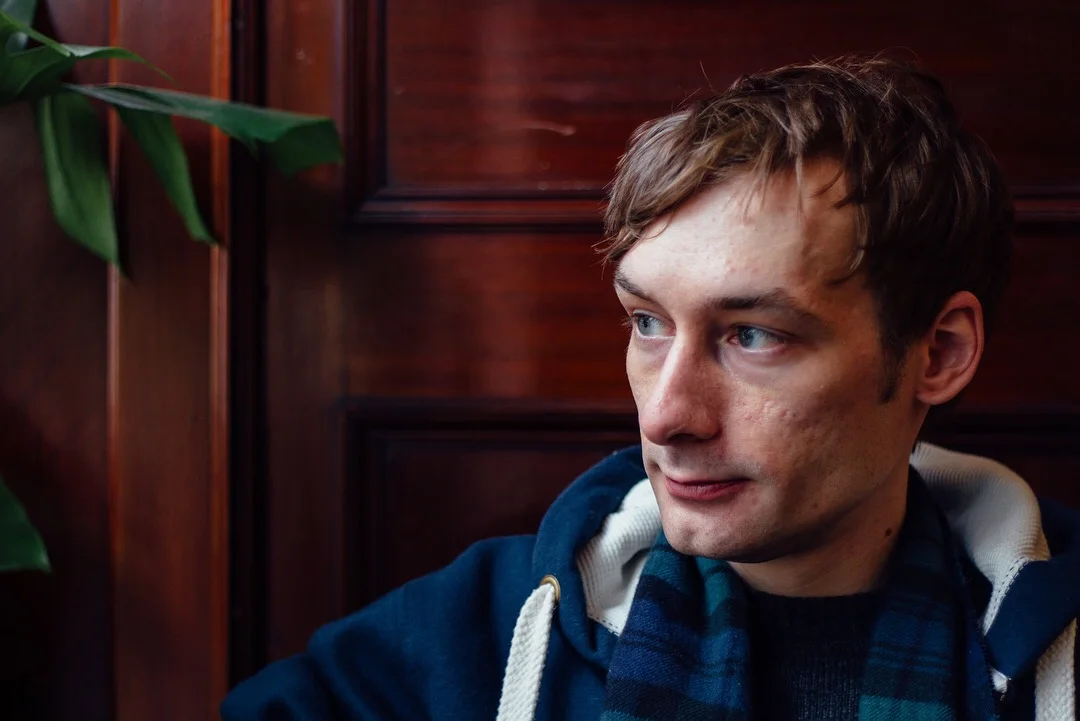

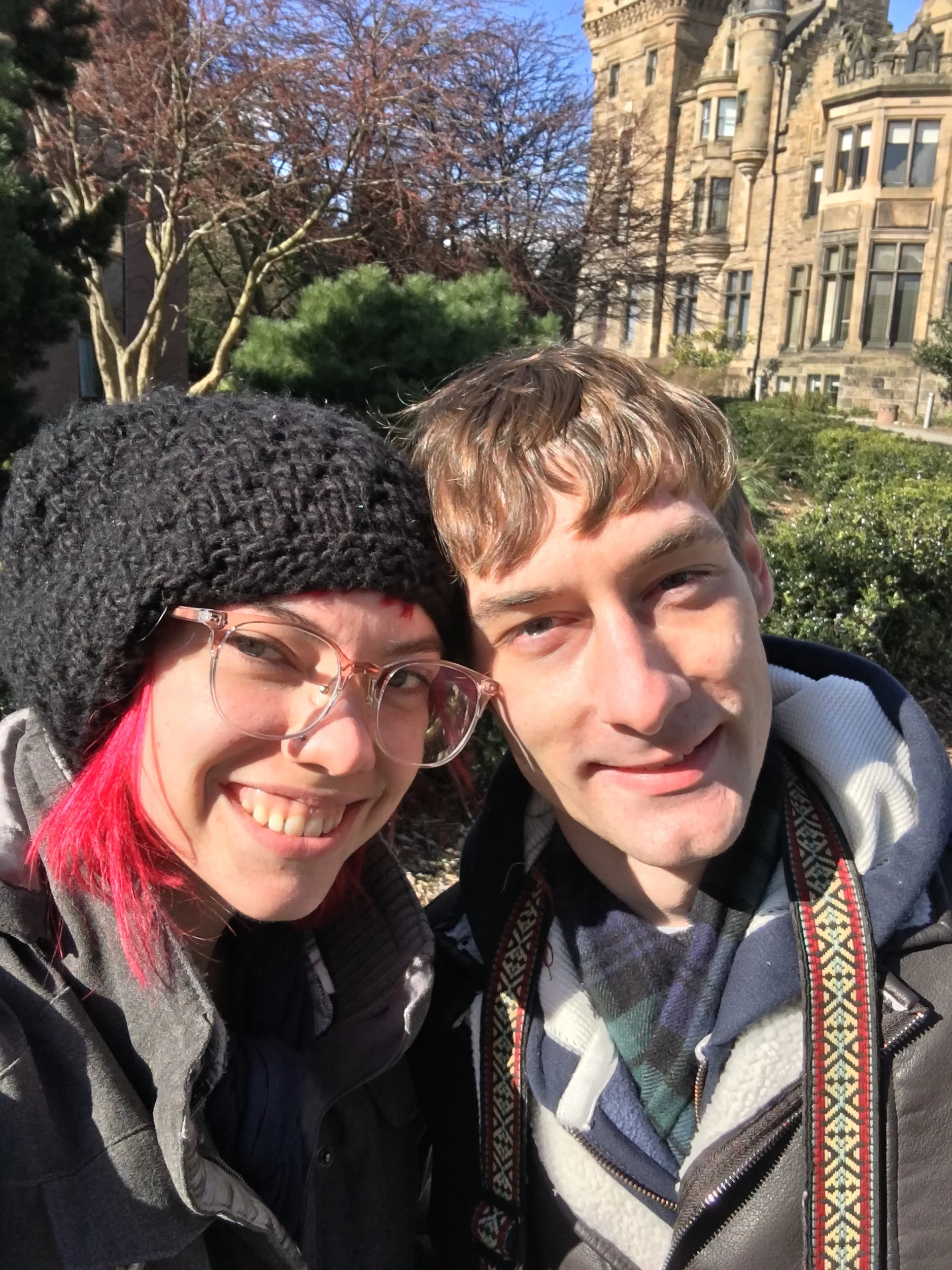
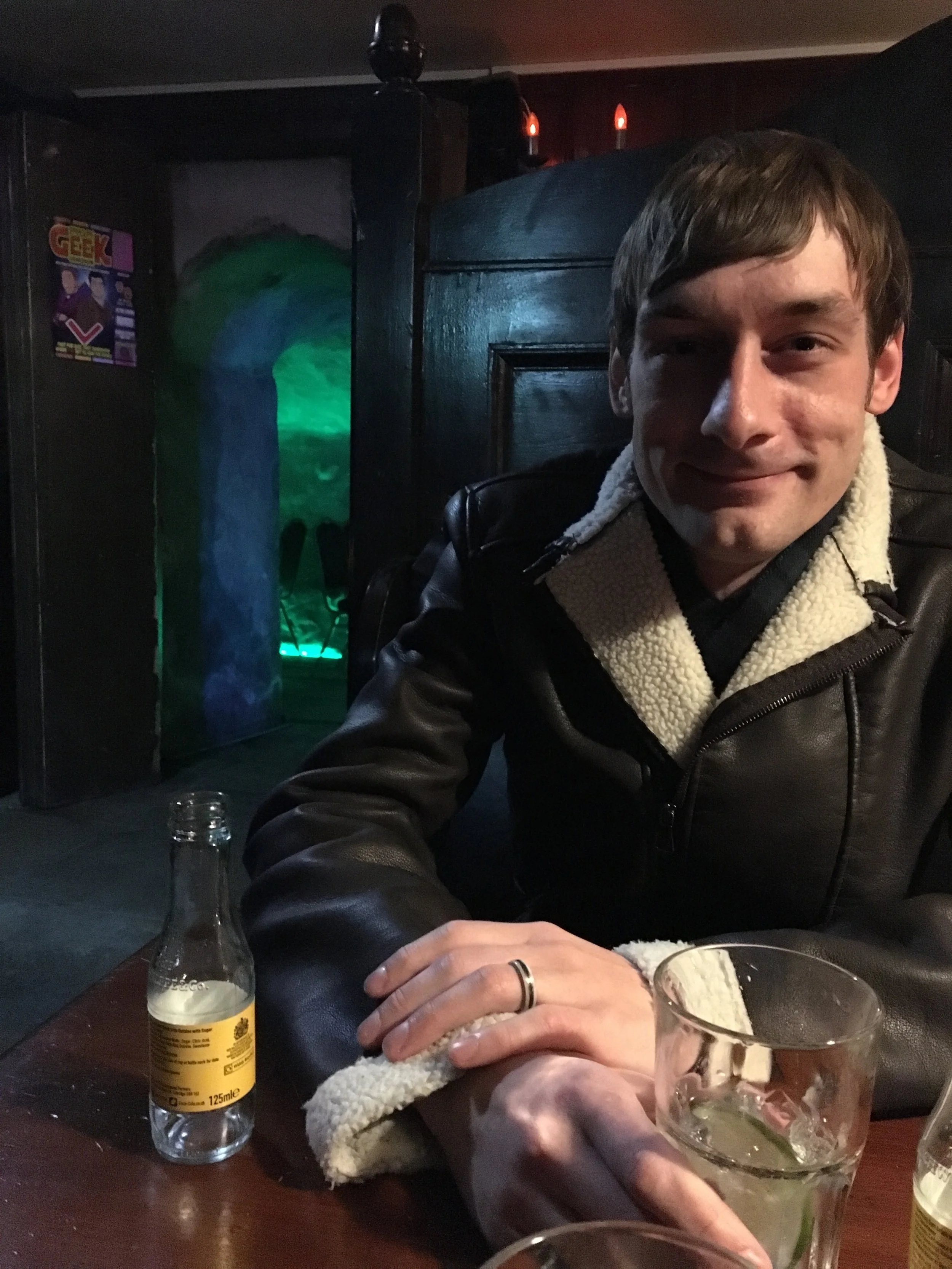
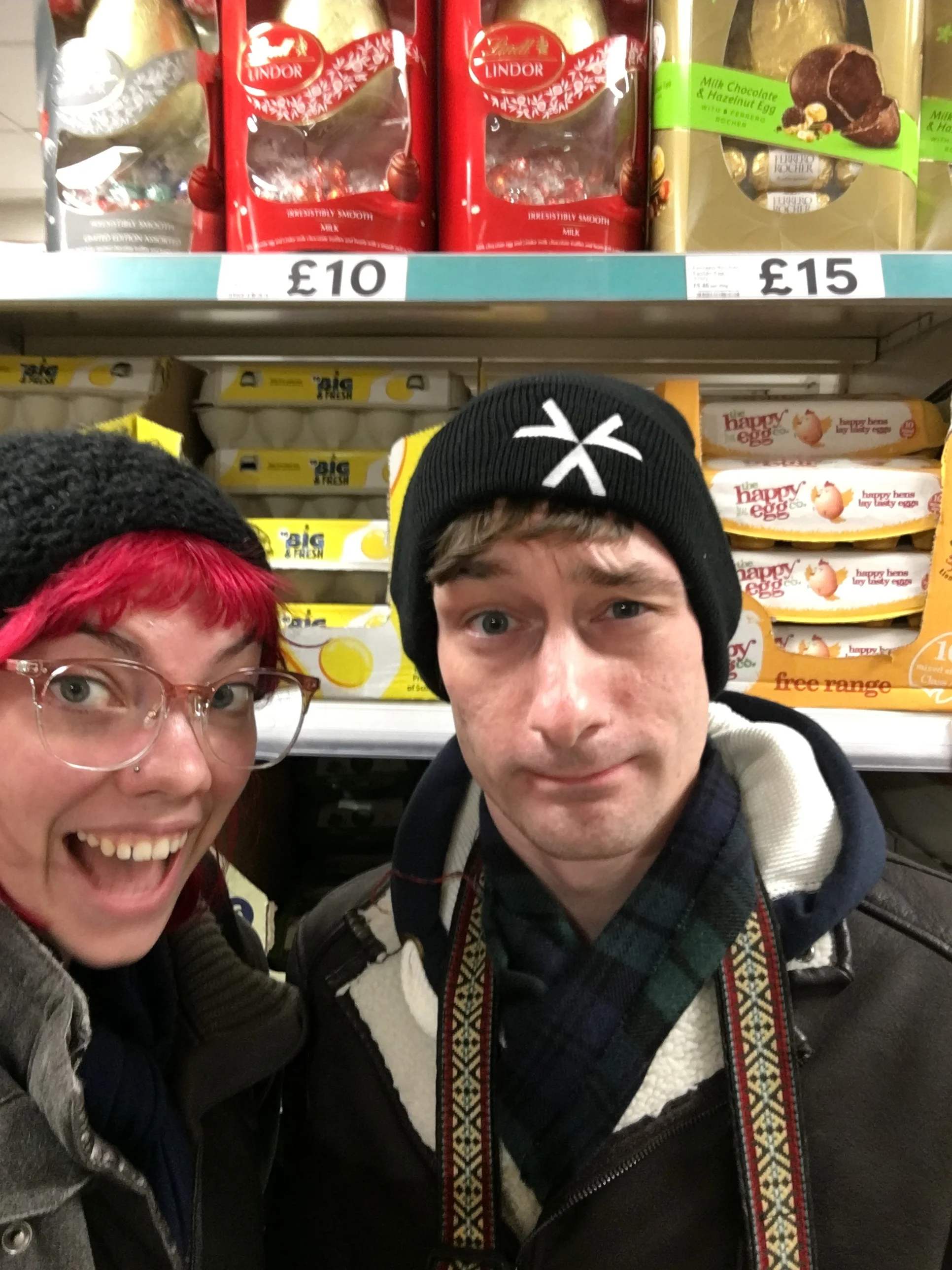
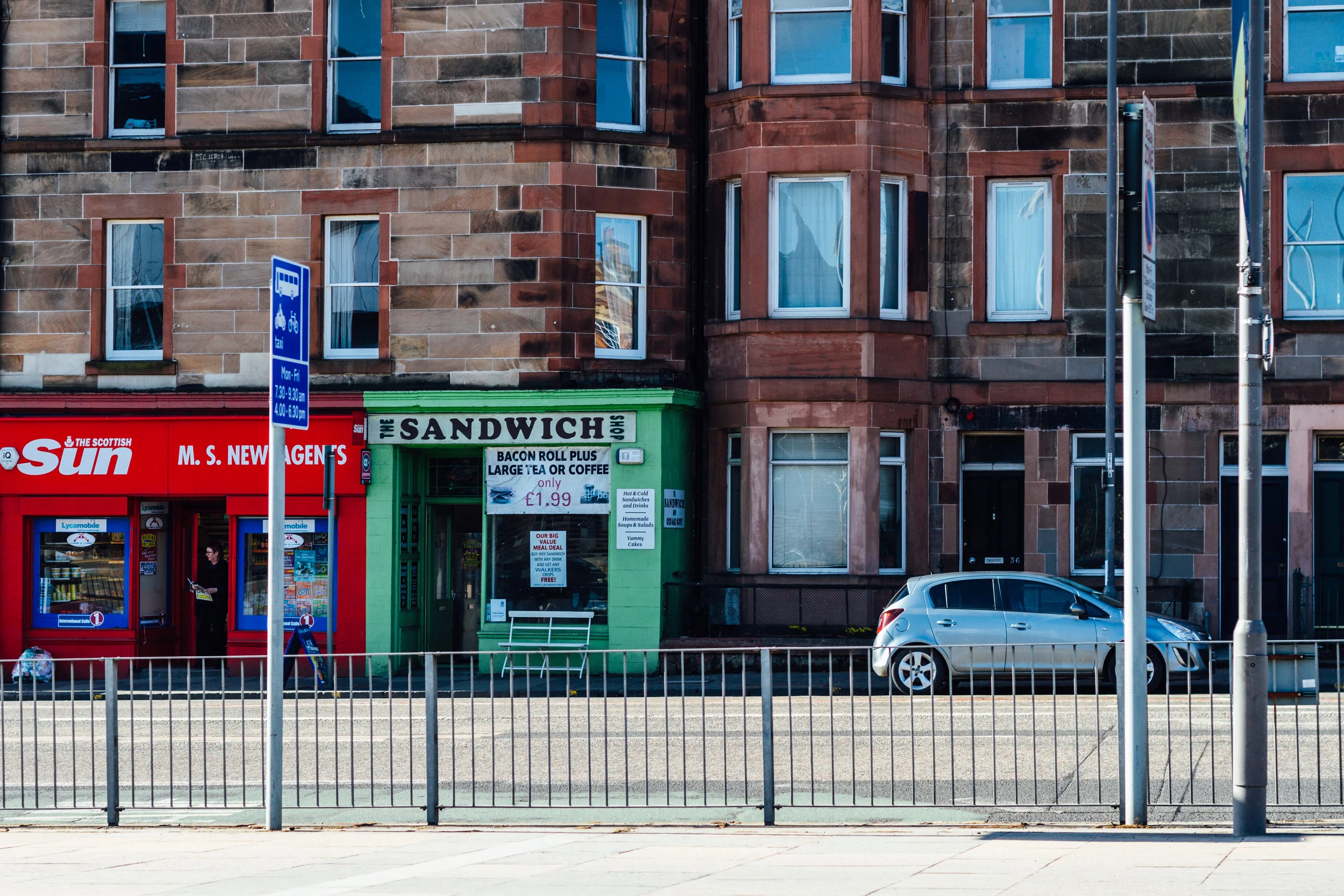


Since we didn’t have a wedding, we decided to send postcards to everyone that would’ve been invited to a hypothetical shindig. Each postcard was thoughtfully chosen for each person, which was a super fun puzzle to solve for me. Writing them out also gave us a great excuse to spend some time sitting in every coffee shop we saw.
Despite my severe jetlag-induced nausea, I found everything I’d hoped to find in Edinburgh - familiar streets, grey skies, and new memories in a favorite place with my favorite person.
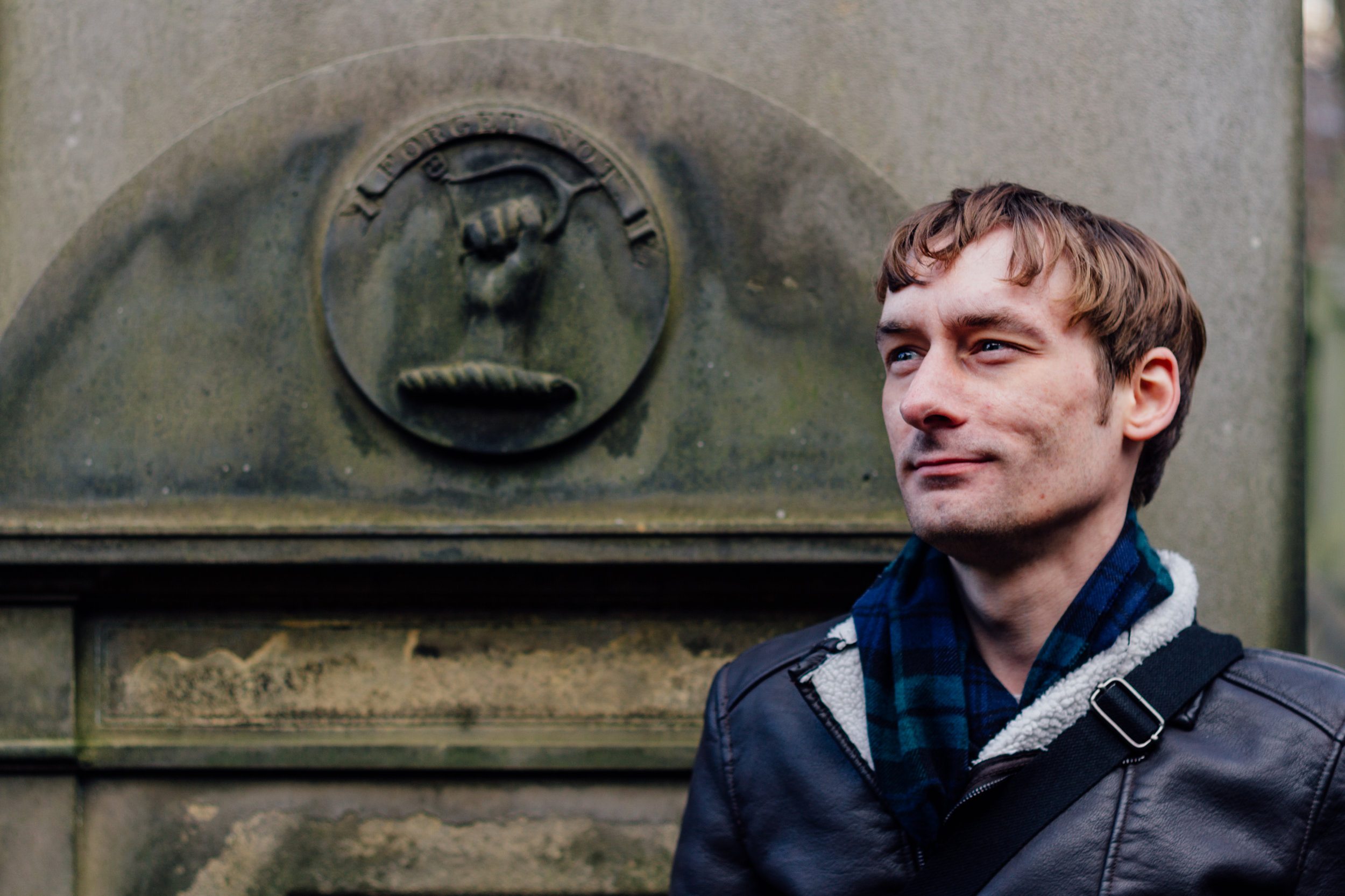
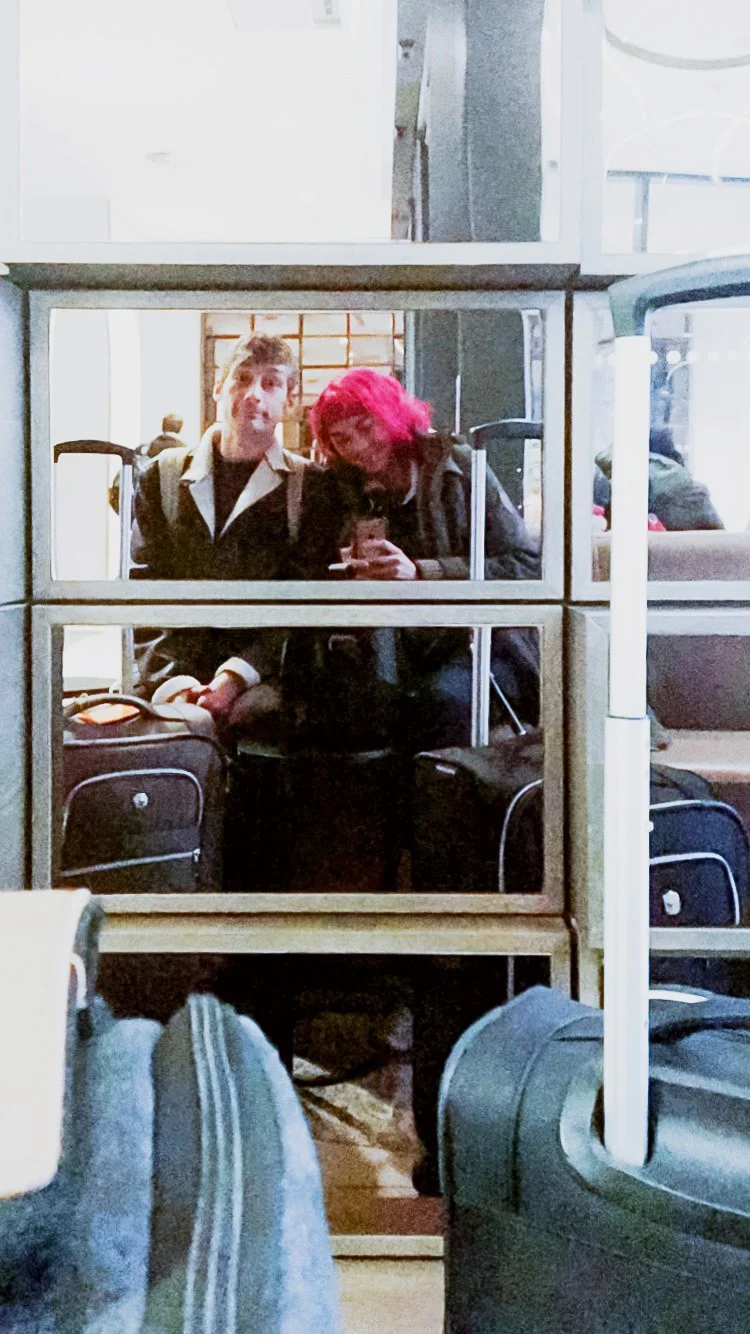
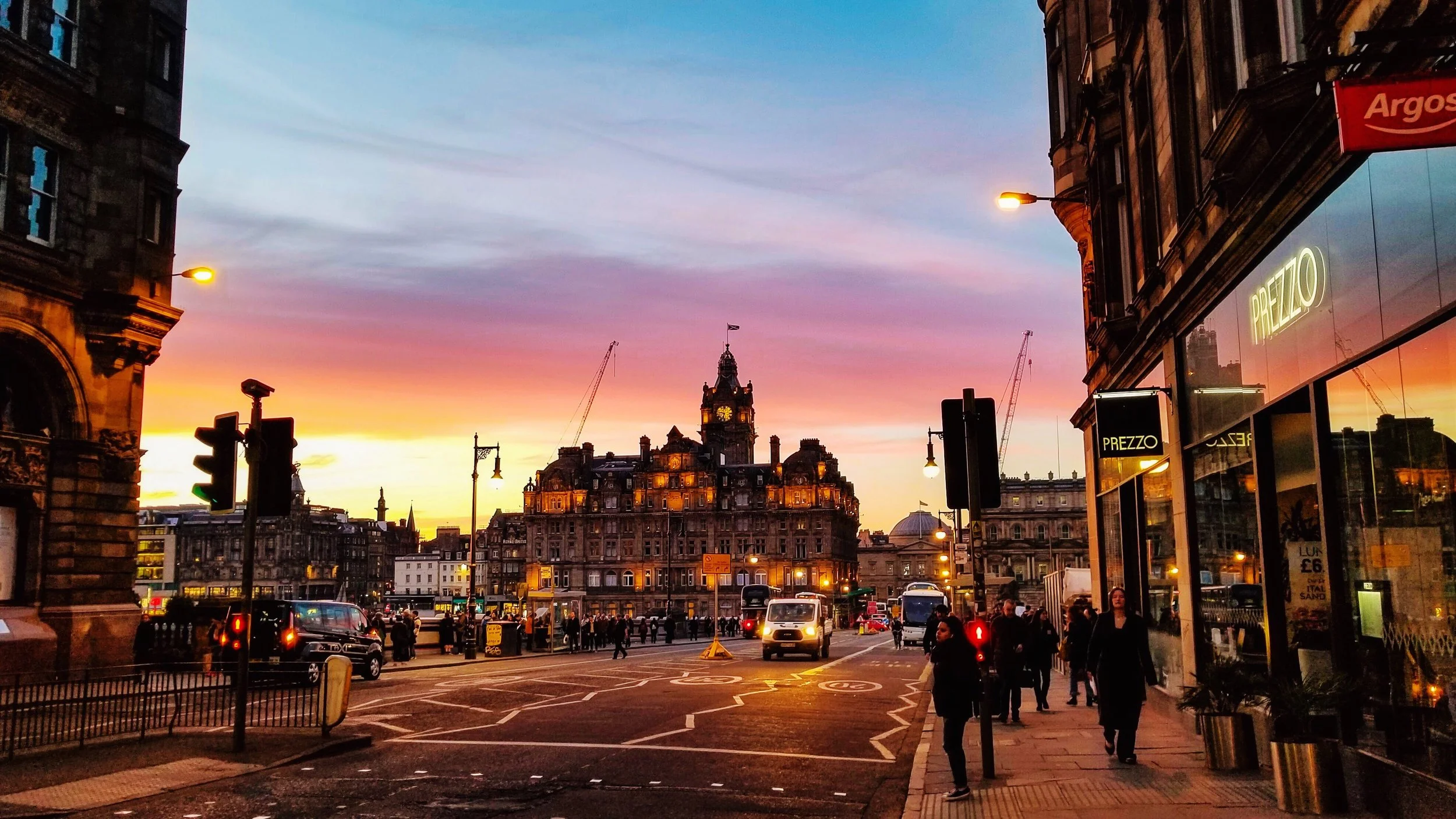
I miss you already, Edinburgh.

Art Gifts For Book Lovers That Won't Miss The Mark
Make your reading room even more cozy with art prints of your favorite books. Click here to shop.
In my experience, an integral part of the holiday season is giving (and receiving) well-meaning-but-not-quite-right presents. I have a really hard time identifying what exactly my family members like and, let’s be real, everyone has that aunt that sees ‘Salem’s Lot on your bookshelf and takes it as their cue to give you Twilight. I love to give people books, but it's so easy to miss the mark. Maybe the perfect gifts for book lovers can be aesthetic. After all, every reader needs a cozy reading room.
This year, I thought I’d try to make things easier for people like me, looking for something to give those literary nerds for whom it is so difficult to buy presents.
Literary gifts that aren’t books


My latest project is a series of digitally painted book stacks, sorted by genre. Each book was lovingly sketched, hand-lettered, and painted with über realistic watercolor brushes. This project was born from a lack of gift ideas but served a dual purpose as a big step in conquering my fear of digital paint.
The first released in the series is a back-breaking stack of classic horror novels. This collection could keep even the most devoted horror fans up at night, reading and listening carefully for a tap-tap-tapping at the bedroom door.
The second is an equally heavy tower of acclaimed sci-fi classics. Before A.I. and robots were a part of our daily lives, the futuristic technology was dreamed up by forward-thinking writers like Octavia E. Butler and Isaac Asimov.
These posters are the perfect gifts for readers, writers, teachers, or anyone who loves a good book. New genres are added regularly, so if you would like updates, sign up for my newsletter.
Unique gifts start with a sketch
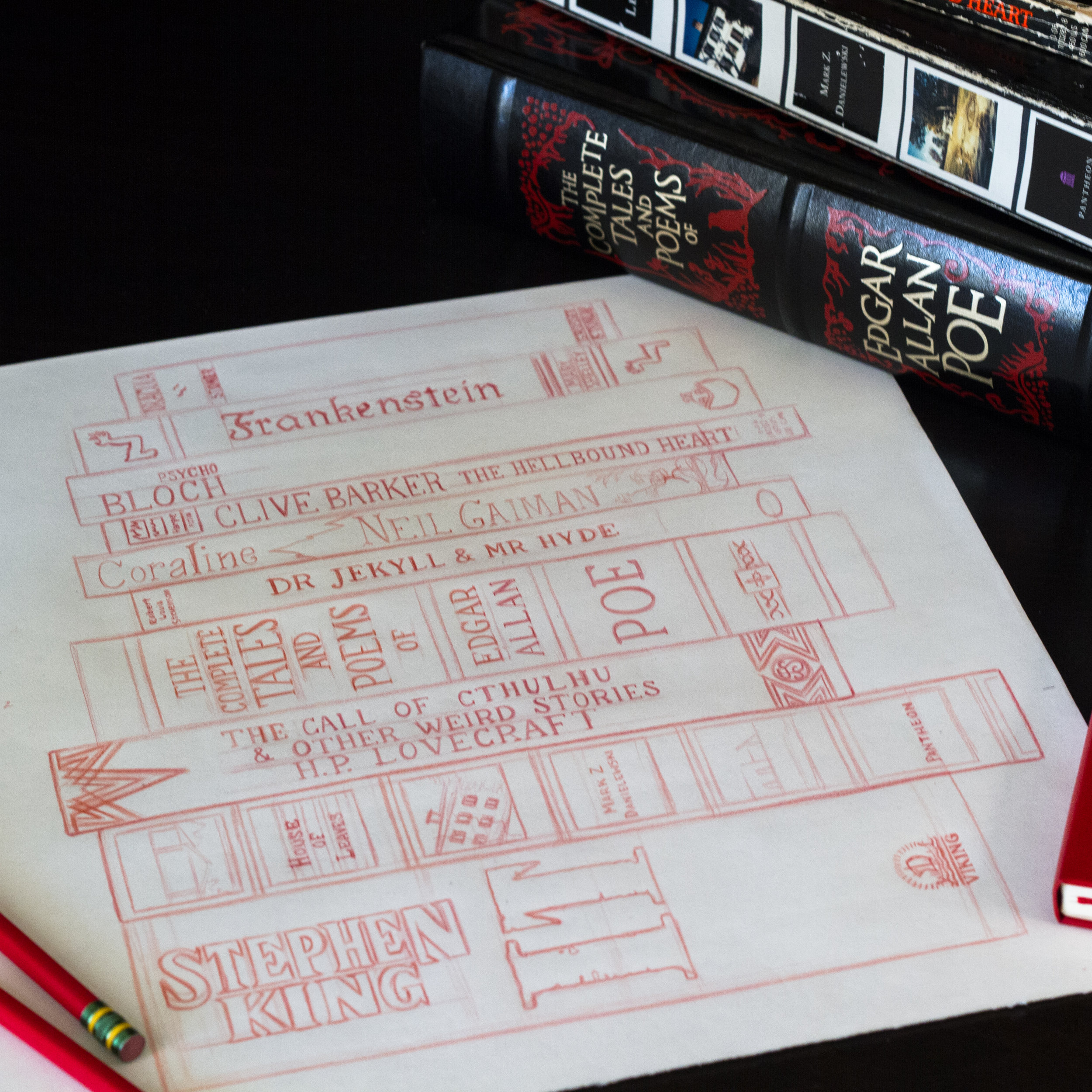
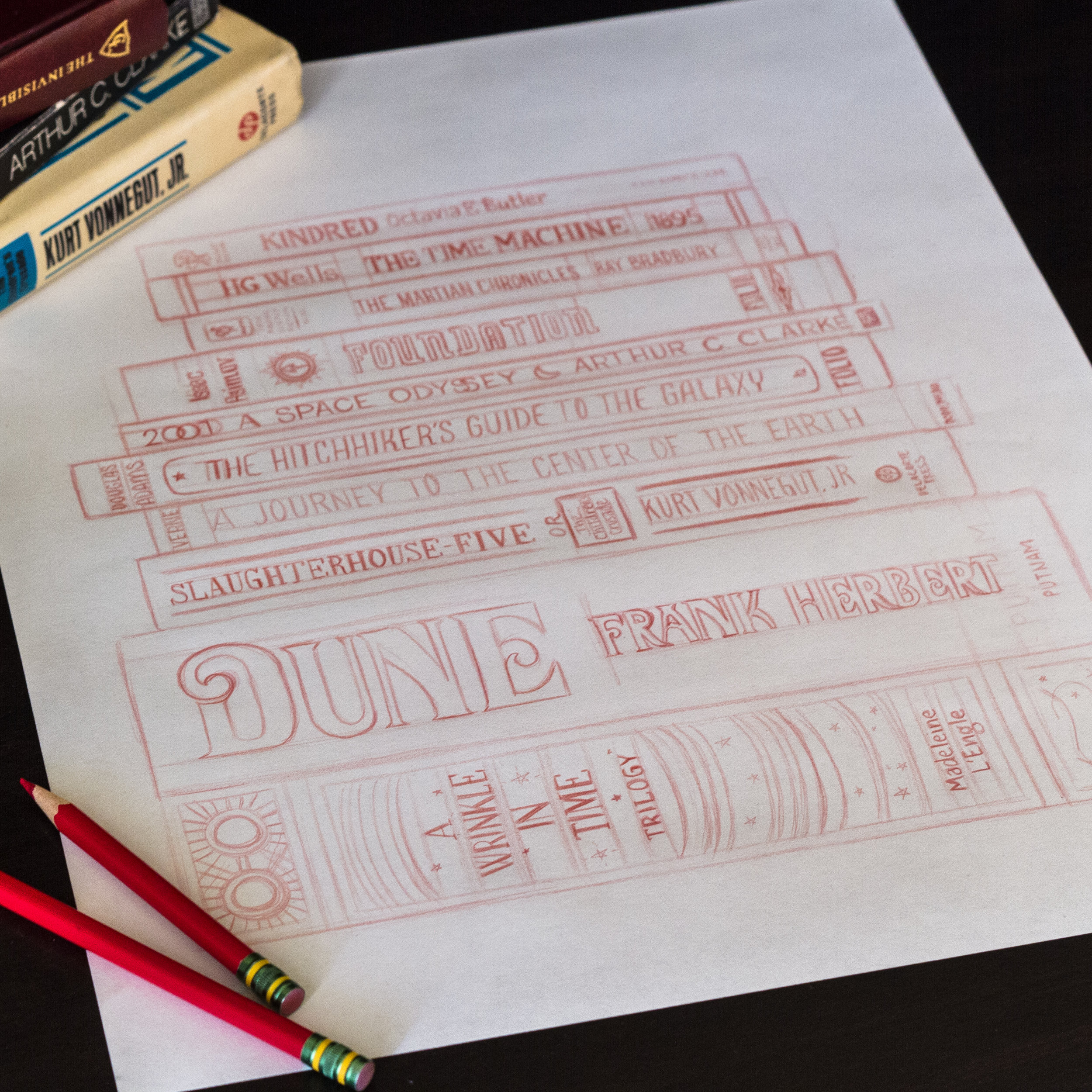
High-resolution digital watercolors are perfect for wall prints
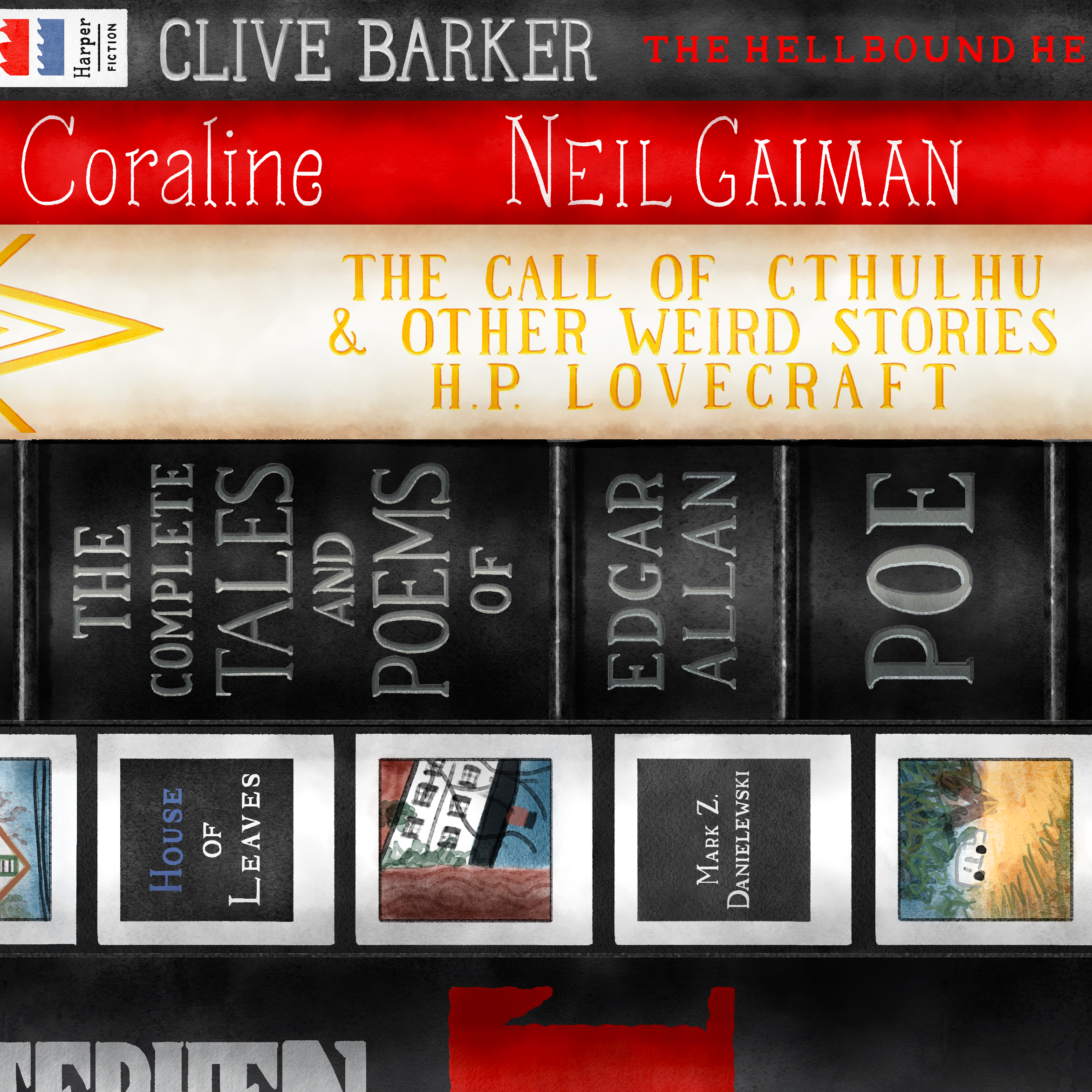
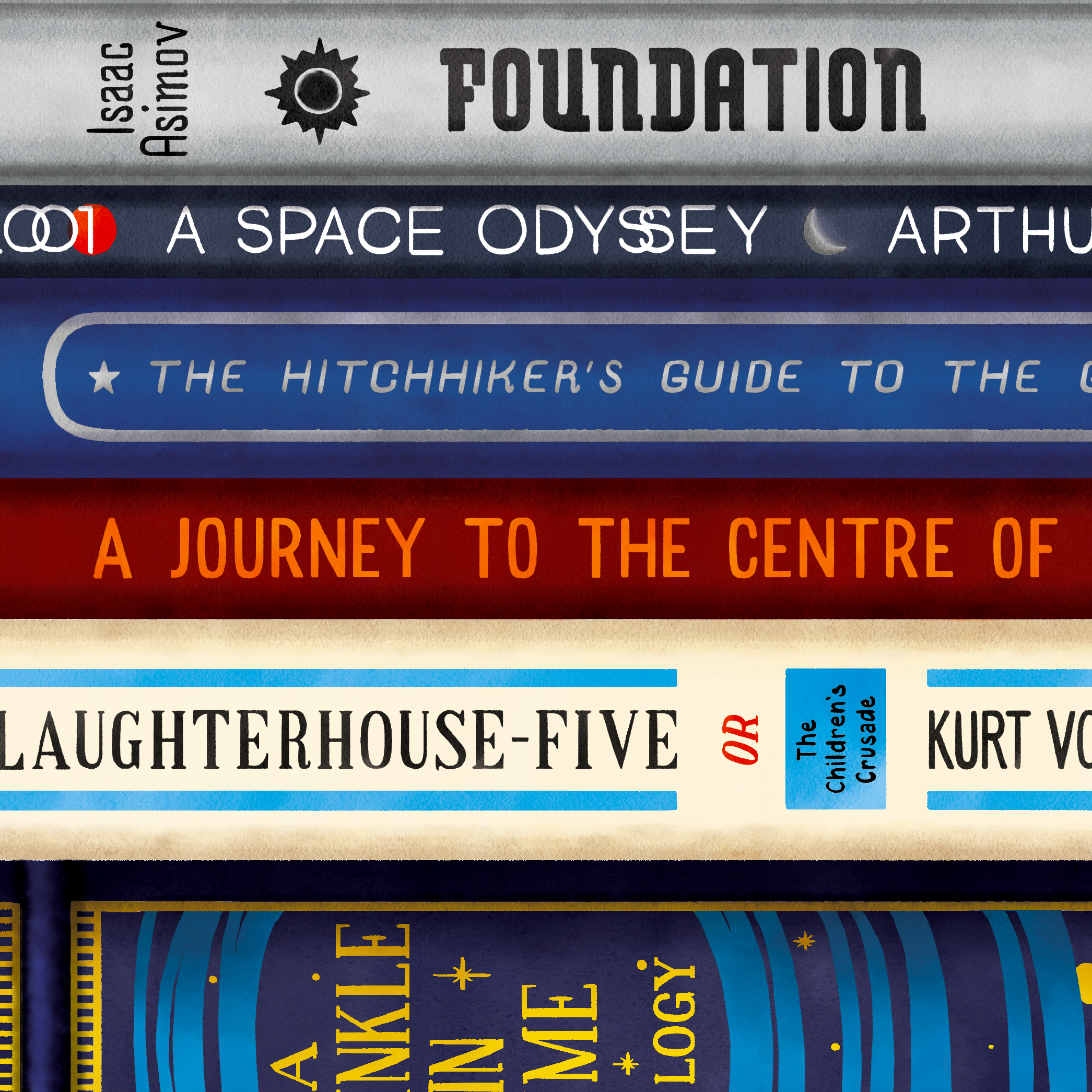


To buy a print for the bookworm in your life (or yourself) visit my Etsy shop today.